US President Donald Trump has announced a 60-day freeze on maritime tolls in the Strait of Hormuz, a pronouncement that carries significant implications for global shipping and Southeast Asian trade networks that depend heavily on this critical chokepoint. However, his accompanying warning of potential American-imposed fees after this window expires signals a dramatic shift in Washington's approach to regional security financing and raises fresh concerns about the strategic waterway's future accessibility.
In a statement posted on Truth Social on Saturday, Trump declared that no tolls whatsoever would be levied through the strait during the current ceasefire period, setting what appears to be a precondition for ongoing negotiations. This stance represents an implicit rebuke to regional actors seeking to capitalize on the waterway's strategic importance, whilst simultaneously laying groundwork for American financial claims. The timeframe of 60 days coincides with what officials describe as a critical negotiation window, suggesting Trump views toll restrictions as leverage in broader discussions about regional stability.
The American president's language becomes more pointed when addressing the post-ceasefire scenario. Trump explicitly warned that Washington may collect fees for "services rendered as the guardian angel" protecting West Asian nations, framing American military presence as a security service warranting financial compensation. This terminology underscores a transactional worldview where Washington's regional commitments come with explicit price tags. The justification he offered—seeking "reimbursement of costs" for past and future security operations—establishes a precedent that could reshape how the United States finances and conceptualizes its Middle East presence.
This declaration arrives amid heightened tensions over the strait's control and accessibility. Iran's Khatam al-Anbiya Central Headquarters announced that the waterway would face closure citing alleged American breaches of ceasefire commitments and Israeli violations affecting Lebanon. The Iranian military organization's threat to restrict maritime passage through one of the world's most vital shipping routes underscores how fragile current arrangements remain and how quickly the situation could destabilize. For Malaysian businesses and regional economies dependent on energy imports and trade flows through this channel, such pronouncements carry immediate practical consequences.
The United States Central Command moved swiftly to counter Iran's closure threat, asserting that American forces maintain robust presence and readiness to guarantee compliance with all agreement provisions. Captain Tim Hawkins, representing CENTCOM, emphasized that maritime traffic continues flowing unimpeded, seeking to reassure international shipping interests that American military capabilities ensure passage security. CENTCOM additionally rejected Iranian claims about controlling the strait, a direct challenge to Tehran's assertions of regional naval authority and a clear positioning statement about whose security guarantees matter most for international commerce.
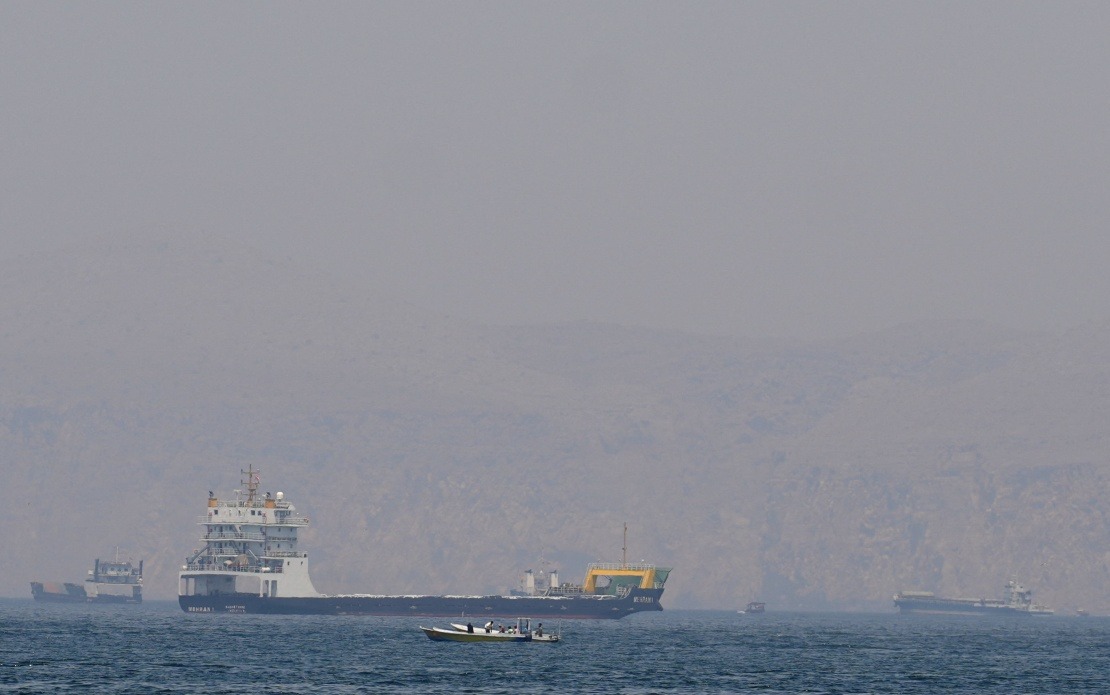
The Strait of Hormuz represents one of the world's most strategically significant maritime passages, with approximately one-fifth of global oil trade transiting through its relatively narrow waters annually. For Malaysia and other Southeast Asian economies, disruptions to this corridor translate directly into energy security concerns and shipping cost implications. Any instability affecting transit through these waters reverberates across the region's supply chains, manufacturing costs, and broader economic competitiveness. The prospect of American toll collection, even if implemented selectively, introduces new uncertainty into maritime planning and cost calculations.
Trump's implicit threat to impose unilateral American fees reflects a broader strategic calculation about how the United States can monetize its military commitments and security guarantees. By explicitly reserving the right to collect tolls solely under American auspices after the 60-day window, the administration signals that Western security provision comes with financial expectations. This approach differs markedly from traditional multinational arrangements governing international waterways and suggests Washington increasingly views security provision as a service demanding direct compensation rather than a shared regional responsibility.
The timing of these statements deserves scrutiny within the context of ongoing diplomatic negotiations. The 60-day moratorium effectively provides a negotiation period during which parties may attempt reaching permanent arrangements. Should those discussions collapse, Trump's threat to implement American-imposed tolls becomes operative, potentially fundamentally altering the economic calculus around Strait of Hormuz passage. Regional actors, particularly energy-dependent economies like Malaysia, face uncertainty about future maritime costs and accessibility that could influence long-term energy procurement strategies and supply chain planning.
Iran's countermove in threatening closure demonstrates how tit-for-tat escalation dynamics persist despite ceasefire announcements. The Islamic Republic's assertion that American and Israeli actions have violated ceasefire terms provides justification in Iranian rhetoric for retaliatory measures, whilst CENTCOM's dismissal of these claims perpetuates the fundamental disagreement about whether ceasefire provisions are being honored. For Malaysian policymakers monitoring these developments, distinguishing between rhetorical posturing and genuine security threats remains challenging, requiring careful assessment of naval activity patterns and international shipping insurance implications.
Looking ahead, the 60-day window represents a genuine deadline with substantial consequences for regional stability and global maritime commerce. Should negotiations succeed in establishing more permanent arrangements, Trump's toll threat may recede into background positioning rhetoric. Conversely, negotiation failure would activate American fee collection frameworks, creating an unprecedented scenario where a single nation effectively monetizes control over a critical international waterway. Malaysian businesses, energy importers, and shipping companies should prepare contingency plans acknowledging both scenarios as viable possibilities requiring operational and financial adjustments.
The broader strategic implication extends beyond immediate toll considerations to how Washington increasingly articulates its regional role. Rather than framing American military presence as deterrence provision or alliance maintenance, Trump's language explicitly ties it to financial compensation. This framework could establish precedent affecting other strategic chokepoints and regions where American forces operate. For Southeast Asia particularly, where several nations host or depend upon American security arrangements, this transactional approach introduces fresh considerations about long-term partnership sustainability and cost-benefit calculations underlying regional security architectures.