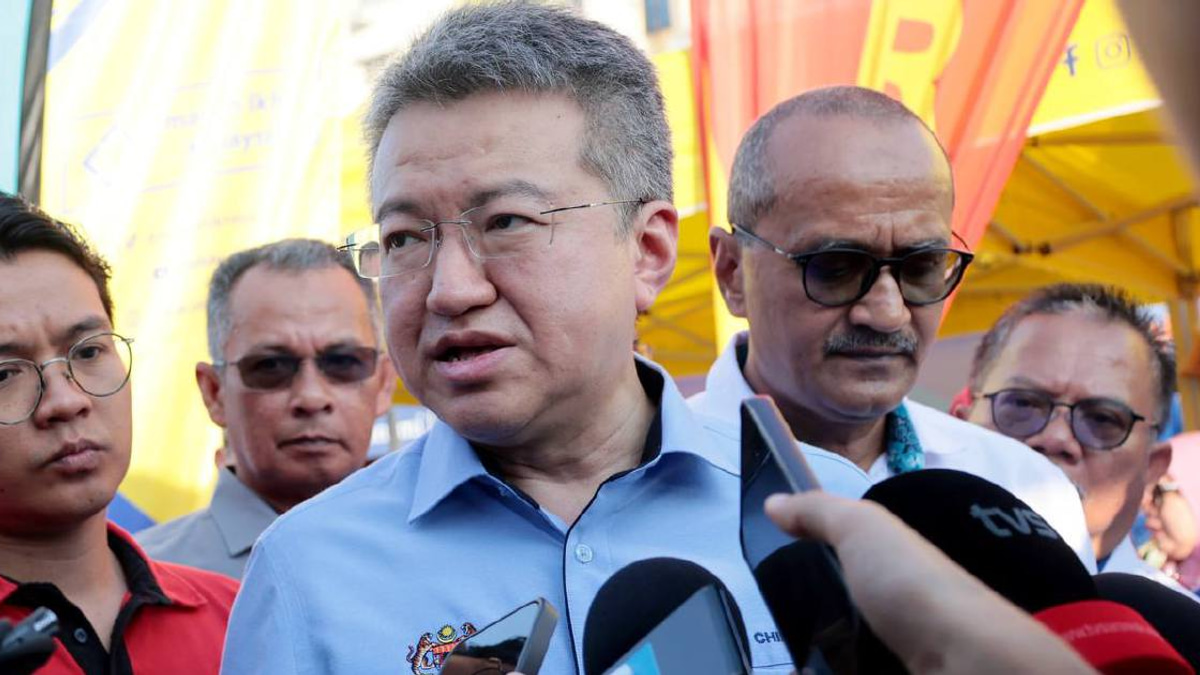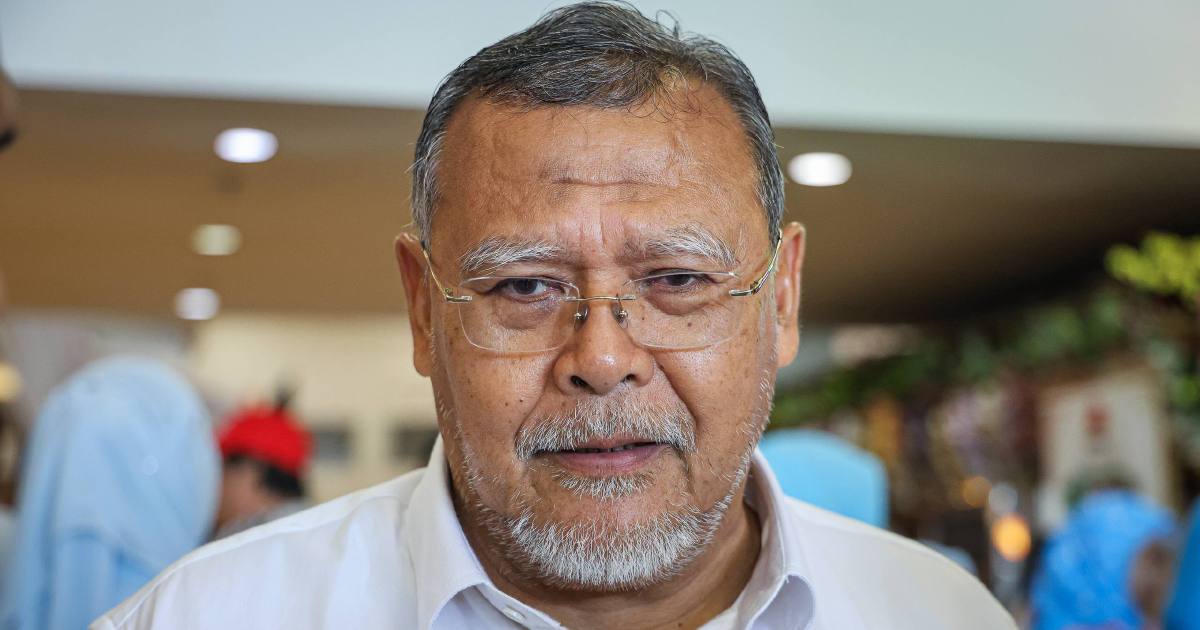
Johor Amanah has consented to surrender the Puteri Wangsa parliamentary seat to PKR following intensive negotiations between party leadership, a move that underscores the evolving dynamics within Malaysia's primary opposition alliance. The decision, reached after discussions between key figures from both parties, reflects efforts to consolidate opposition strength and eliminate triangular contests that could fragment votes across similar constituencies.
The handover of the Puteri Wangsa seat represents a calculated recalibration of resources within Pakatan Harapan's broader electoral strategy. Rather than field competing candidates who might split the anti-government vote, the two parties have opted for a coordinated approach that allows each to concentrate campaigning firepower on winnable territories. This arrangement demonstrates the maturation of coalition mechanics, wherein smaller component parties recognise the strategic value of concentration over territorial expansion.
Amanah's willingness to step back from this particular seat suggests confidence in retaining strength elsewhere within Johor, Malaysia's second-largest state by population and a crucial battleground in national elections. The party evidently calculated that preserving unity and goodwill within the coalition structure outweighs the symbolic value of contesting every available seat. This pragmatism reflects lessons learned from previous electoral cycles when divided opposition votes handed victories to Barisan Nasional and Perikatan Nasional candidates in closely contested districts.
For PKR, the acquisition of Puteri Wangsa adds to its portfolio of contested seats as it positions itself as the leading opposition force in the peninsula. The party has been steadily expanding its footprint, particularly in urban areas where its appeal to younger voters and reform-minded middle-class constituencies remains pronounced. Securing additional parliamentary representation strengthens PKR's negotiating hand within the coalition while expanding its base for potential government-formation scenarios.
The talks between Amanah and PKR occurred against a backdrop of mounting pressure on opposition parties to present a unified front. Electoral boundaries continue to shift, new demographic patterns reshape voting blocs, and the entrenched ruling parties employ sophisticated machinery to fragment opposition efforts. Under these circumstances, seat negotiations between coalition partners have become essential mechanisms for preventing self-sabotage through three-way contests that inevitably benefit incumbent administrations.
Within Johor specifically, coalition coordination carries heightened significance. The state has become increasingly competitive following shifts in voter sentiment, particularly among younger and urban populations. The 2022 general election demonstrated that carefully orchestrated opposition campaigns could deliver surprising results even in traditionally comfortable Barisan territories. Further refinement of electoral alliances could accelerate this trend, placing additional pressure on government-linked parties to defend what were once considered safe strongholds.
Amanah's decision also reflects internal strategic recalibration within the party itself. Founded as a splinter from PAS, Amanah has struggled to establish a distinct identity separate from other opposition components, particularly PKR with which it competes for urban reform-minded voters. By voluntarily ceding ground in exchange for coalition harmony and potential reciprocal arrangements elsewhere, the party signals maturity and commitment to larger opposition objectives rather than narrow party advancement. This positioning may enhance Amanah's appeal among voters fatigued by divisive politics.
The Puteri Wangsa seat itself occupies significant territory within Greater Kuala Lumpur's economic zones and suburban residential areas. The constituency encompasses diverse demographics ranging from working-class communities to emerging middle-income populations, making it competitive and representative of broader Malaysian electoral trends. PKR's focus on urban issues and economic justice messaging has proven effective in similar constituencies, suggesting the party may prove competitive in defending the seat once secured.
Coalition seat negotiations rarely proceed without broader compensation arrangements. While the announcement focuses on Puteri Wangsa, observers should anticipate reciprocal agreements affecting other constituencies where Amanah retains stronger positioning or greater historical claim. Such behind-the-scenes arrangements strengthen coalitions by ensuring all component parties receive tangible benefits from unity, building the trust necessary for sustained cooperation across electoral cycles.
The realignment comes amid broader discussions within Pakatan Harapan regarding sustainability and internal governance. As the coalition matures beyond its 2018 formation, parties have grappled with formalising decision-making processes, equitable resource distribution, and mechanisms for resolving territorial disputes. Successful negotiations like the Puteri Wangsa arrangement validate institutional frameworks and encourage continued collaboration even when individual parties experience electoral setbacks or leadership transitions.
For Malaysian politics more broadly, the Johor development illustrates how opposition coalitions are learning to function with greater coherence and discipline compared to earlier iterations. The sophistication visible in contemporary seat-sharing arrangements contrasts sharply with the acrimonious disputes that paralysed opposition unity during the 1990s and 2000s. Whether this institutional learning can translate into electoral victories sufficient to challenge ruling-party dominance remains the defining question for the opposition's trajectory.
%22%2F%3E%3C%2Fpattern%3E%3C%2Fdefs%3E%3Crect%20width%3D%22100%25%22%20height%3D%22100%25%22%20fill%3D%22url(%23ph4c0smg)%22%2F%3E%3Crect%20width%3D%22100%25%22%20height%3D%22100%25%22%20fill%3D%22url(%23ph4c0smp)%22%2F%3E%3Ctext%20x%3D%2250%25%22%20y%3D%2250%25%22%20text-anchor%3D%22middle%22%20dominant-baseline%3D%22central%22%20fill%3D%22rgba(255%2C255%2C255%2C0.95)%22%20font-family%3D%22Georgia%2C%20'Times%20New%20Roman'%2C%20serif%22%20font-weight%3D%22700%22%20font-size%3D%22272%22%20letter-spacing%3D%22-0.02em%22%3EAnwar%3C%2Ftext%3E%3C%2Fsvg%3E)