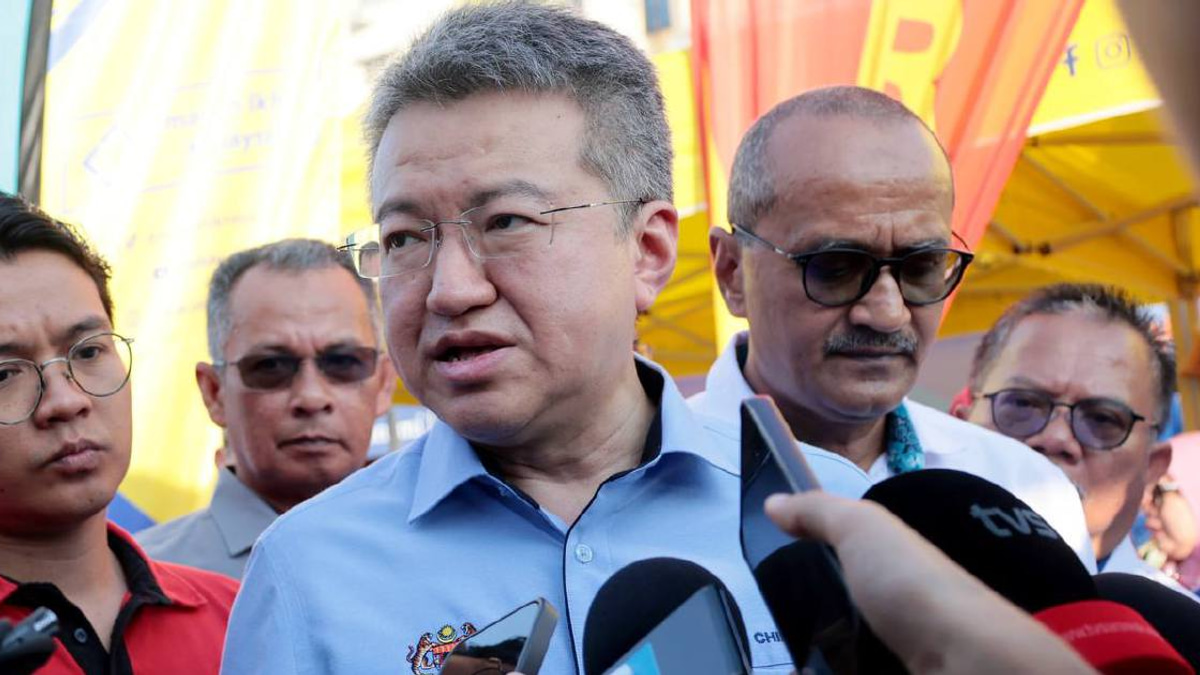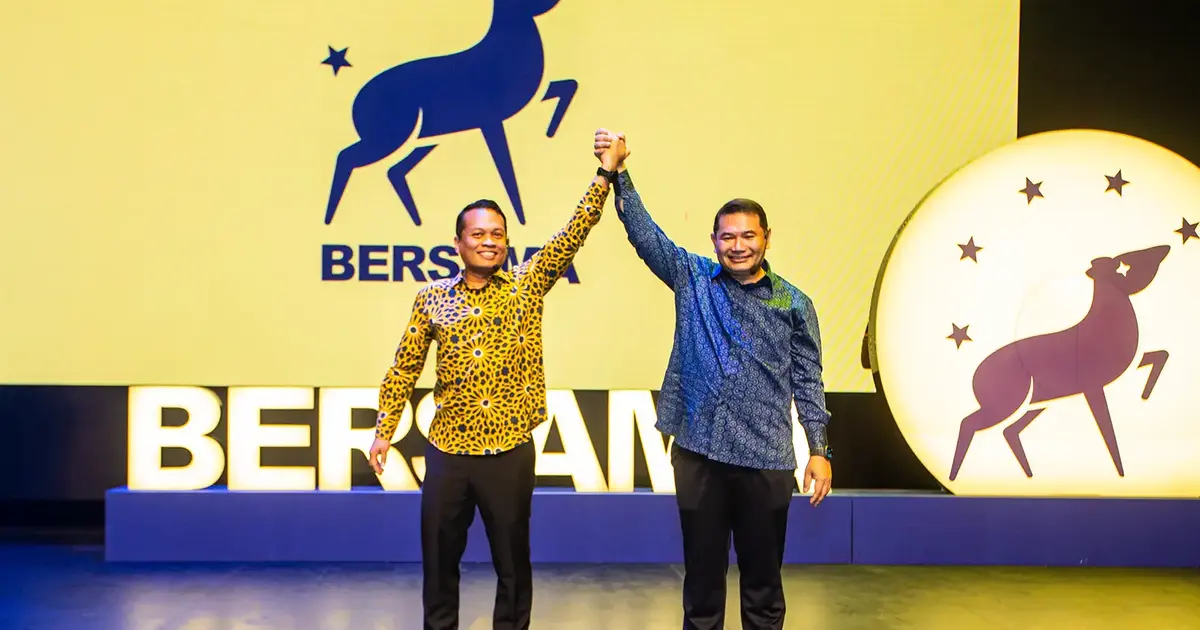
Bersama is drawing notable enthusiasm from retired senior civil servants who wish to stand as candidates in the upcoming state elections in Johor and Negeri Sembilan, party leadership has indicated. This development signals an attempt by the fledgling political movement to leverage administrative expertise and bureaucratic credibility as it seeks to establish itself as a viable electoral force in Malaysia's competitive political landscape.
The recruitment of former government officials represents a strategic shift for Bersama, which has been working to build its organisational infrastructure and candidate pipeline since its formation. By attracting individuals with extensive civil service backgrounds, the party appears to be positioning itself as a vehicle for experienced administrators who may have grown disillusioned with traditional political establishments or sought new avenues for public service.
For Malaysian voters, particularly those in Johor and Negeri Sembilan, the entry of former bureaucrats into electoral contests introduces candidates with deep knowledge of government machinery, policy implementation, and administrative processes. Such individuals typically possess firsthand understanding of how state institutions operate and where systemic inefficiencies may exist, potentially offering voters a different calibre of candidate than career politicians.
The emphasis on recruiting from the civil service reflects broader trends in Malaysian politics, where technocratic credibility has become an increasingly valuable commodity. As voters express frustration with perceived government inefficiency and corruption, candidates with track records in public administration can offer reassurance of competence and institutional knowledge, regardless of which coalition they represent.
Johor and Negeri Sembilan represent distinct political terrains. Johor has long been a strong Barisan Nasional territory with entrenched party structures, while Negeri Sembilan has experienced more competitive two-party contests in recent cycles. Bersama's campaign to attract experienced former civil servants in both states suggests the party recognises the different challenges each electoral battleground presents and is tailoring its candidate recruitment accordingly.
The willingness of retired senior bureaucrats to step into partisan politics also reflects their confidence in Bersama's direction and messaging. Many government officials maintain networks and relationships cultivated over decades of service, and their decision to contest under a particular banner carries implicit endorsement from their professional circles. This network effect could prove valuable in grassroots campaign efforts and community engagement.
However, the transition from civil service to electoral politics remains complex. Former bureaucrats must adapt to the demands of partisan campaigning, constituent relations, and party discipline, all fundamentally different from the hierarchical, process-driven environment of government service. Their success as candidates will depend partly on whether their administrative credentials translate effectively into electoral appeal and whether they can master the political skills required in competitive contests.
Bersama's recruitment strategy also reflects the party's ambitions beyond these state-level contests. Building a bench of credible candidates with professional backgrounds strengthens the party's positioning for future federal elections and creates an alternative narrative to both established coalitions. In an increasingly fragmented Malaysian political environment, where voters show greater willingness to consider non-traditional options, such positioning matters significantly.
The response Bersama has received from prospective candidates suggests either genuine frustration within the civil service regarding political representation, or recognition that the party structure offers opportunities for advancement that may be constrained within larger, more hierarchical coalitions. Understanding which factor dominates will be crucial to assessing whether this recruitment surge represents sustainable party growth or a temporary political phenomenon.
For both Johor and Negeri Sembilan, Bersama's candidate recruitment efforts could complicate electoral mathematics. If the party successfully fields competitive candidates with professional credibility, it may fragment votes in ways that reshape traditional two-coalition competition, particularly if such candidates can articulate distinct policy platforms addressing specific state challenges.
The success of Bersama's strategy will ultimately be measured by electoral performance. While attracting respected former civil servants enhances the party's credibility and suggests organisational momentum, converting candidate quality into seat gains requires effective campaign execution, adequate financial resources, and resonance with actual voters. These elements remain uncertain as the party prepares for the state contests.
As Malaysia's political landscape continues evolving, with voters increasingly open to alternatives beyond the traditional Barisan Nasional and Pakatan Harapan blocs, Bersama's ability to attract and effectively deploy experienced candidates could prove consequential. The Johor and Negeri Sembilan elections will serve as crucial tests of whether the party can translate administrative expertise into electoral success, and whether Malaysian voters genuinely prefer candidates with strong bureaucratic credentials over conventional political profiles.
%22%2F%3E%3C%2Fpattern%3E%3C%2Fdefs%3E%3Crect%20width%3D%22100%25%22%20height%3D%22100%25%22%20fill%3D%22url(%23ph4c0smg)%22%2F%3E%3Crect%20width%3D%22100%25%22%20height%3D%22100%25%22%20fill%3D%22url(%23ph4c0smp)%22%2F%3E%3Ctext%20x%3D%2250%25%22%20y%3D%2250%25%22%20text-anchor%3D%22middle%22%20dominant-baseline%3D%22central%22%20fill%3D%22rgba(255%2C255%2C255%2C0.95)%22%20font-family%3D%22Georgia%2C%20'Times%20New%20Roman'%2C%20serif%22%20font-weight%3D%22700%22%20font-size%3D%22272%22%20letter-spacing%3D%22-0.02em%22%3EAnwar%3C%2Ftext%3E%3C%2Fsvg%3E)