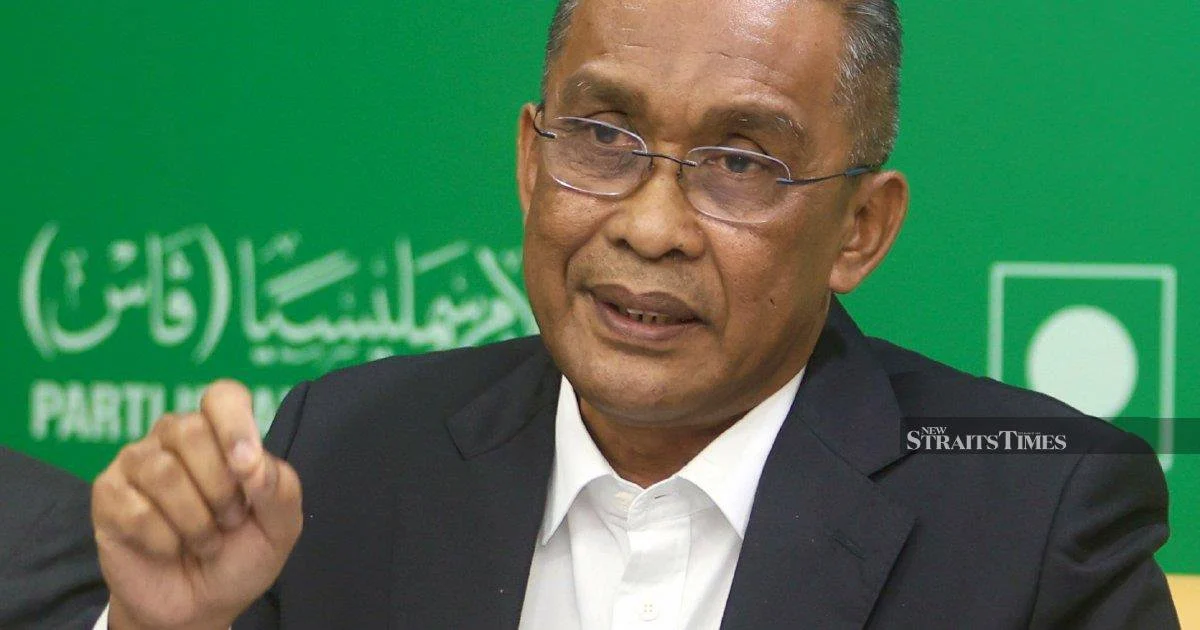
Malaysia's Registrar of Societies has formally confirmed the leadership restructuring within Perikatan Nasional, cementing the position of Datuk Seri Dr Ahmad Samsuri Mokhtar as the coalition's chairman with sweeping institutional oversight. The official recognition by the RoS carries significant constitutional weight, as it validates the transition through the formal regulatory framework governing political party registration in the country. This endorsement signals that the coalition's internal reorganisation has proceeded through proper legal channels and meets the requirements established under Malaysian law.
The registration authority's confirmation establishes a critical administrative framework whereby any activity undertaken under the PN banner, whether organisational meetings, strategic initiatives, or public-facing events, must first secure explicit approval from Chairman Ahmad Samsuri Mokhtar. This centralisation of authority represents a notable consolidation of power within the coalition structure, effectively placing the chairman in a gatekeeping position over all coalition operations. Such arrangements are not uncommon in Malaysian political coalitions, where centralised decision-making at the leadership level is often implemented to ensure coordinated messaging and unified strategic direction.
For Malaysian political observers, the timing and nature of this transition merit careful examination. Coalition leadership structures in Malaysia typically reflect the balance of power among constituent parties and the broader trajectory of the alliance. The formalisation of this arrangement through the RoS suggests that the internal negotiations and understandings among PN's member parties have been sufficiently resolved to permit this unified governance model. The requirement for chairman approval before any activity can proceed indicates that Ahmad Samsuri Mokhtar will exercise substantial influence over the coalition's strategic priorities and public positioning in the coming period.
This institutional restructuring carries implications for how PN operates at both national and state levels. Member parties within the coalition, which historically have retained considerable autonomy in managing their own affairs, must now navigate the additional approval layer introduced by this centralised oversight mechanism. The practical effect is likely to slow decision-making timelines for some activities while ensuring greater strategic coordination across the coalition's various components. This tension between constituent party autonomy and coalition cohesion represents an ongoing dynamic in Malaysian multi-party coalitions.
The RoS confirmation also provides legal clarity regarding the boundaries of authority within PN's organisational structure. By formally registering this arrangement, the regulatory body establishes an official record of how the coalition intends to govern itself internally. This documentation becomes relevant not only for the coalition's internal operations but also for any regulatory or legal matters that might arise concerning PN's compliance with political financing laws, campaign regulations, or other statutory requirements governing political associations in Malaysia.
For member parties such as Bersatu, PAS, and other entities within PN's framework, this development necessitates a reassessment of their operational flexibility. Whereas previously decisions on many activities might have proceeded with minimal higher-level coordination, they must now account for the approval requirement imposed by the chairman's office. This could affect everything from the timing of party events, parliamentary activities, and public positioning on key issues. Member parties will need to establish efficient communication channels with the chairman's office to streamline approval processes.
The centralisation of approval authority also reflects broader governance trends within Malaysian political coalitions. Both Barisan Nasional and Pakatan Harapan have experimented with various governance models to balance constituent party autonomy with coalition-wide coordination. Ahmad Samsuri Mokhtar's appointment with these expanded approval powers suggests that PN leadership has prioritised unified positioning and coordinated decision-making as essential for the coalition's effectiveness and resilience. This approach typically aims to prevent individual member parties from undertaking positions that could contradict the coalition's overall strategic direction.
From a Southeast Asian perspective, the formalisation of PN's internal governance structure demonstrates Malaysia's continued commitment to operating within constitutional and regulatory frameworks even during periods of significant political realignment. While coalition leadership changes occur periodically across the region, the involvement of regulatory bodies like the RoS in formally confirming these arrangements reflects the institutionalised nature of Malaysian democracy. This regulatory involvement provides a layer of official documentation and verification that extends beyond internal party procedures.
The approval requirement also establishes a clear accountability mechanism within PN's structure. By channelling all coalition activities through the chairman's office, the arrangement creates a documented decision-making process that can be referenced in internal disputes or when clarification is needed regarding official coalition positions. This documentation trail becomes particularly valuable during election campaigns or when the coalition faces external scrutiny regarding its operations and strategic alignment. Such mechanisms help prevent the kind of public disagreements between coalition partners that can undermine unity and electoral effectiveness.
Moving forward, the effectiveness of this governance model will depend substantially on how Ahmad Samsuri Mokhtar exercises his approval authority. Coalition leadership must balance the need for coordinated action against the risk of being perceived as autocratic or unresponsive to legitimate initiatives from member parties. How quickly and fairly the chairman's office processes approval requests will directly impact whether member parties view this centralised structure as a functional governance tool or as an obstacle to their operations. The initial months of implementation will likely establish patterns that shape PN's internal dynamics for the foreseeable future.