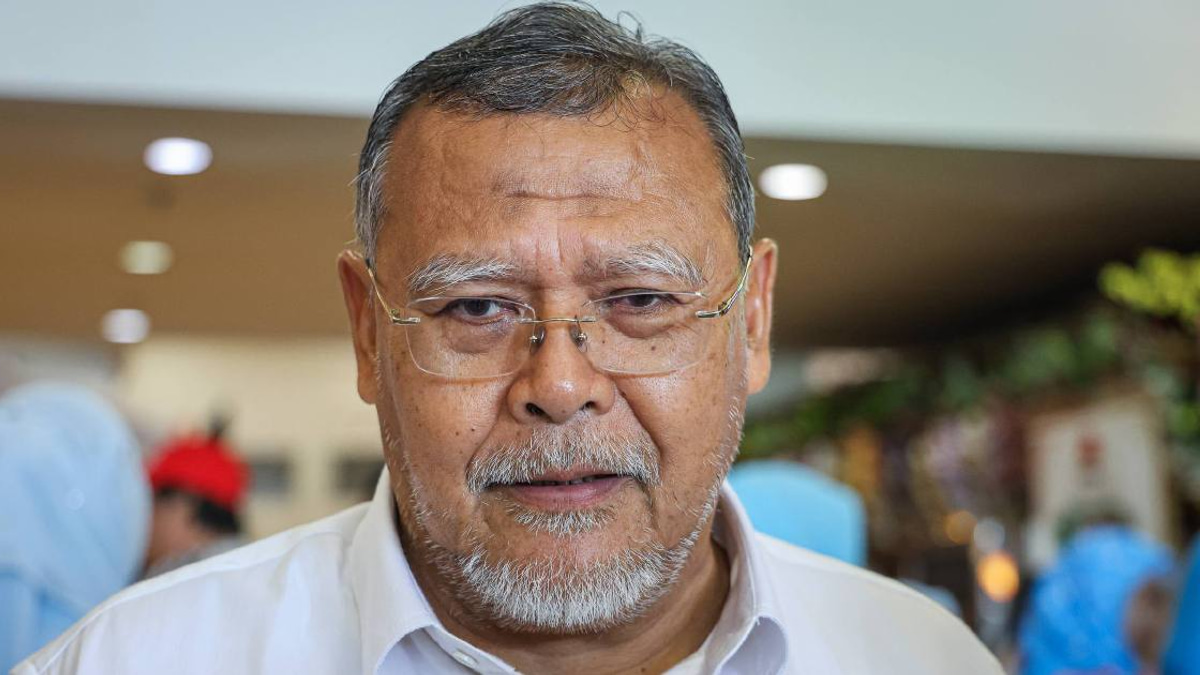
Penang has taken centre stage as the host of HAWANA 2026, the annual National Journalists' Day celebration, with Penang Governor Tun Ramli Ngah Talib commending the Ministry of Communications for its strategic decision to distribute hosting duties across the nation's states. The initiative reflects a deliberate effort to deepen public understanding of journalism's role in national progress while allowing communities beyond the capital to engage directly with the media industry's contributions to society.
The celebration represents a significant honour for Penang, a state increasingly recognised for its economic dynamism and competitive positioning in the region. By bringing the HAWANA gathering to Butterworth, Penang demonstrates its capacity to host major national events while simultaneously elevating its profile as a hub for professional discourse and international engagement. The choice underscores how rotating these occasions across states can foster broader appreciation for media practitioners and their essential work in a diverse nation.
Approximately 1,000 journalists and media professionals, including representatives from several ASEAN countries, descended upon Penang for the multi-day event. This substantial turnout reflects the growing significance of HAWANA as a platform for professional networking and regional cooperation. The gathering transcends Malaysia's borders, signalling the interconnected nature of media practice across Southeast Asia and the shared challenges facing journalists navigating an increasingly complex information landscape.
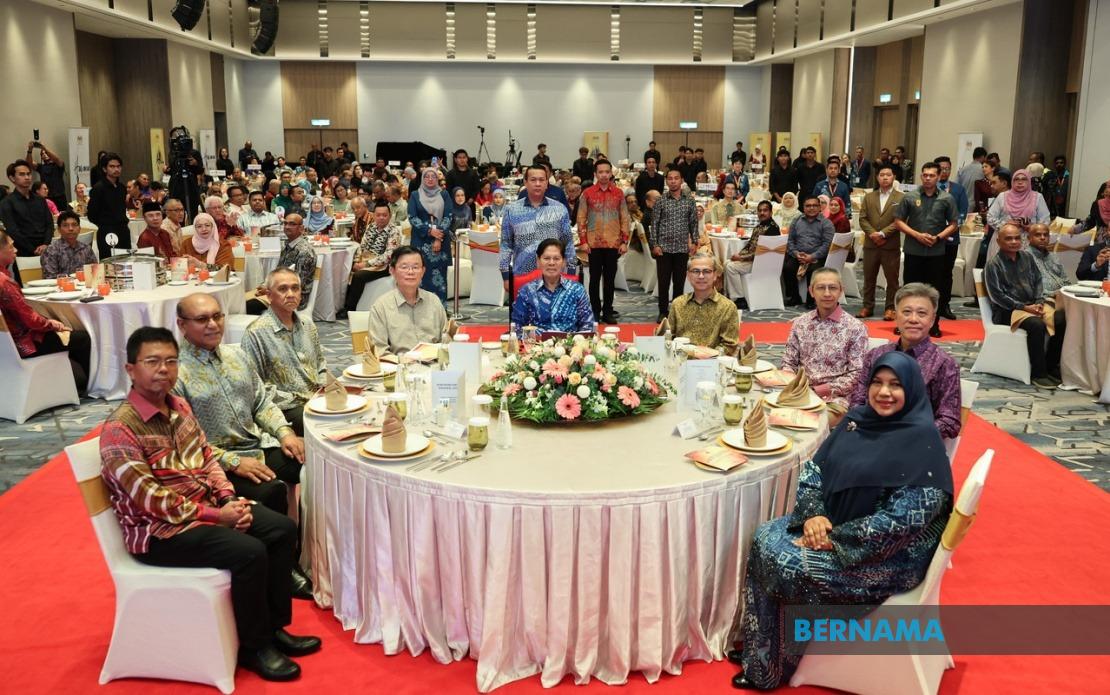
The HAWANA 2026 dinner, held ahead of the main ceremony, drew nearly 350 senior figures from government, media, and international organisations. The attendance of Communications Minister Datuk Fahmi Fadzil, Penang Chief Minister Chow Kon Yeow, and representatives from international media bodies underscored the event's stature as more than a ceremonial occasion. The presence of Timor-Leste's Secretary of State for Social Communication illustrated the event's regional importance and the value placed on cross-border media dialogue.
Tun Ramli emphasised that HAWANA serves multiple critical functions beyond recognising journalistic achievement. The platform strengthens professional ties among media organisations across the region while honouring veteran journalists whose decades of work have shaped Malaysian journalism. By gathering practitioners across borders and organisational lines, the celebration creates space for informal relationship-building that supports collaborative journalism and mutual understanding of regional challenges.
The media's role as an information bridge and catalyst for informed society received particular emphasis from the Governor. In Malaysia's context, where diverse communities rely on media institutions to understand complex policy issues and national developments, journalism's intermediary function becomes increasingly vital. As digital platforms fragment traditional audiences and misinformation spreads rapidly, the professional standards represented by gathering like HAWANA take on heightened importance for maintaining public discourse quality.
This year's theme, 'Media Integrity Strengthens Credibility', directly addresses contemporary concerns about journalism's standing in an era of rapid technological change and declining trust in institutions. The choice of theme suggests deliberate recognition that media practitioners must actively demonstrate their commitment to factual accuracy, ethical reporting, and accountability. For Malaysia, where media ownership concentration and political sensitivities sometimes complicate editorial independence, the emphasis on integrity signals an attempt to reinforce professional norms.
The Ministry of Communications' decision to distribute HAWANA across states also carries implications for how media development is understood regionally. Rather than concentrating celebrations in Kuala Lumpur, the rotation recognises that journalism's impact extends into communities nationwide. Local journalists covering state developments and provincial issues deserve equal recognition alongside their counterparts in the capital. This democratisation of the celebration potentially strengthens journalism's legitimacy by demonstrating that media work occurs everywhere, not merely in centralised media hubs.
The involvement of Prime Minister Datuk Seri Anwar Ibrahim as the event's official patronage represents high-level political endorsement of journalism's institutional importance. Such backing, when genuine, can provide protective space for media practitioners navigating political sensitivities. However, it also carries expectations that the media will operate responsibly and contribute constructively to national development narratives. The delicate balance between supporting press freedom and managing political messaging remains central to how Malaysian governments and media institutions negotiate their relationship.
For Southeast Asian journalists more broadly, gatherings like HAWANA provide rare opportunities to discuss shared challenges including shrinking advertising revenues, digital platform dominance, and balancing commercial viability with editorial independence. Malaysian media practitioners, managing a market with relatively strong institutional development but persistent ownership concerns, can benefit from perspectives of journalists operating in less mature media environments across the region. Such exchanges often prove more valuable than formal speeches in advancing professional practice.
Bernama's central role as the implementing agency reflects Malaysia's state media structure, where the national news agency functions as both a news provider and custodian of journalism standards. This dual positioning requires careful navigation, particularly when state-sponsored events raise questions about editorial independence. The fact that HAWANA includes representatives from private and international media alongside state institutions suggests an attempt to position the celebration as encompassing the entire profession rather than narrowly serving government interests.
The recognition of journalistic professionalism and dedication, while potentially seeming routine, carries weight in contexts where media practitioners sometimes face pressure or scepticism. Public acknowledgment that journalists perform essential functions contributes to their social standing and professional morale. In Malaysia, where journalism attracts talented individuals despite economic pressures and competitive digital environments, such recognition helps retain expertise within the profession rather than seeing experienced practitioners migrate to other sectors.
Moving forward, HAWANA 2026's legacy will depend partly on whether the celebration translates into sustained commitment to supporting press freedom, professional development resources, and institutional protections for journalists. One-off annual gatherings, however well-intentioned, have limited impact without accompanying structural support. For Penang specifically, hosting this event creates opportunity to leverage media attention toward discussing state-level press freedom issues and journalism's role in provincial governance and development reporting.