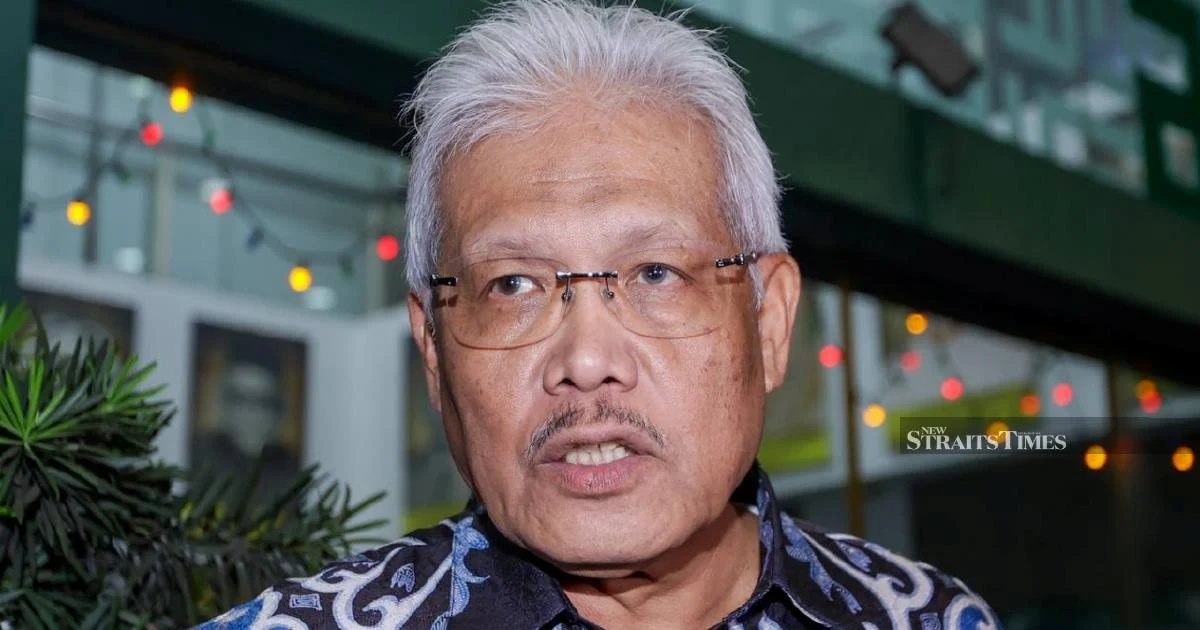
The opposition coalition has committed to formally registering Datuk Seri Hamzah Zainudin's appointment as opposition leader with the Dewan Rakyat Speaker before parliament resumes its sitting schedule, according to announcements made in Kota Baru. This administrative step represents a critical institutional process that will officially establish the new leadership structure within Malaysia's parliamentary framework and grant the designated opposition leader the formal powers and privileges attached to that constitutional role.
The timing of this notification carries procedural significance for parliamentary operations. By submitting the formal notice before the next sitting begins, the opposition ensures that Hamzah's status will be properly recorded in official parliamentary records and that he can immediately exercise the responsibilities and prerogatives associated with leading the opposition benches. This includes the right to pose supplementary questions during question-and-answer sessions, priority access to parliamentary debating time, and formal consultation rights on legislative matters affecting the nation's democratic processes.
Hamzah's elevation to the opposition leadership role consolidates a strategic repositioning within Malaysia's fragmented political landscape. As a former Minister in the Perikatan Nasional administration, his transition to lead the opposition reflects the fluid nature of contemporary Malaysian politics, where coalitions shift and senior figures navigate between government and opposition benches with increasing frequency. This movement signals the ongoing realignment of political forces following the previous electoral cycle and recent parliamentary developments that have altered the composition and balance of power within the Dewan Rakyat.
The opposition bloc has demonstrated organisational efficiency in preparing the necessary documentation and procedural requirements for this leadership transition. The decision to lodge the notification promptly after this announcement indicates coordinated action among coalition partners and suggests internal consensus on Hamzah's suitability for this prominent parliamentary position. Such coordinated timing reflects a mature understanding of institutional processes and the importance of maintaining clear parliamentary protocols even amid intense political competition.
For Malaysian political observers, the appointment underscores the growing complexity of opposition politics in an era of coalition fragmentation. Rather than a single coherent opposition force, the current structure comprises multiple parties and groupings that must coordinate on critical matters such as leadership designation and parliamentary strategy. Hamzah's appointment represents an attempt to unify these disparate elements under recognisable leadership that commands respect across different political factions and regional constituencies.
The institutional recognition of opposition leadership through formal notification to the Speaker remains a cornerstone of Malaysia's parliamentary tradition, even as the composition and dynamics of opposition politics evolve. The Speaker's acknowledgement of the opposition leader's identity enables parliament to function according to established conventions that have developed over Malaysia's post-independence legislative history. This ceremonial and procedural dimension, while sometimes overlooked, provides essential clarity and legitimacy to the role within the national political system.
Hamzah brings extensive parliamentary experience to his new position, having served in previous administrations and navigated the corridors of power at senior ministerial levels. His tenure in government positions has exposed him to the mechanics of parliamentary procedure, budget deliberations, and legislative negotiations—capabilities valuable for leading opposition scrutiny of government policies. However, the transition from government insider to opposition leader requires adjustment to different strategic imperatives, where the primary role shifts from implementing policy to critically examining government decisions.
The next parliamentary sitting will thus mark an official inflection point in Malaysia's political cycle. With Hamzah's formal recognition as opposition leader, the chamber will operate under new dynamics that may influence patterns of questioning, debate strategy, and legislative initiatives. Government backbenchers and opposition members alike will need to recalibrate their interactions and positioning within the parliamentary arena, responding to the changed leadership structure and the priorities that Hamzah may establish for opposition engagement with government legislative proposals.
Regional observers watching Malaysian politics will likely interpret this development as reflecting the continuing vitality of democratic institutions in Southeast Asia. Despite the volatility of coalition politics and the complexity of managing diverse political interests, Malaysia's parliamentary system continues to absorb leadership transitions and maintain orderly procedures for recognising opposition figures. This institutional stability, even amid political turbulence, provides foundation for ongoing democratic processes and peaceful alternation of power between government and opposition.
Looking forward, Hamzah's effectiveness as opposition leader will depend on his ability to forge consensus among coalition partners with sometimes divergent interests, articulate a compelling alternative vision to government policies, and maintain parliamentary discipline among members who may harbour competing ambitions. The coming months will test whether his appointment catalyses stronger opposition coordination or merely papers over underlying fractures within the opposition alliance that have proven difficult to bridge in recent parliamentary sessions.
The formal notification process, while procedurally straightforward, thus carries symbolic weight for Malaysian democracy. It represents the system's capacity to accommodate leadership changes, clarify lines of authority within parliament, and maintain institutional continuity despite surface-level political volatility. As Hamzah assumes his new responsibility, both he and his coalition partners face the challenge of translating parliamentary opposition into electoral credibility and policy alternatives that resonate with Malaysian voters increasingly uncertain about the nation's political direction.