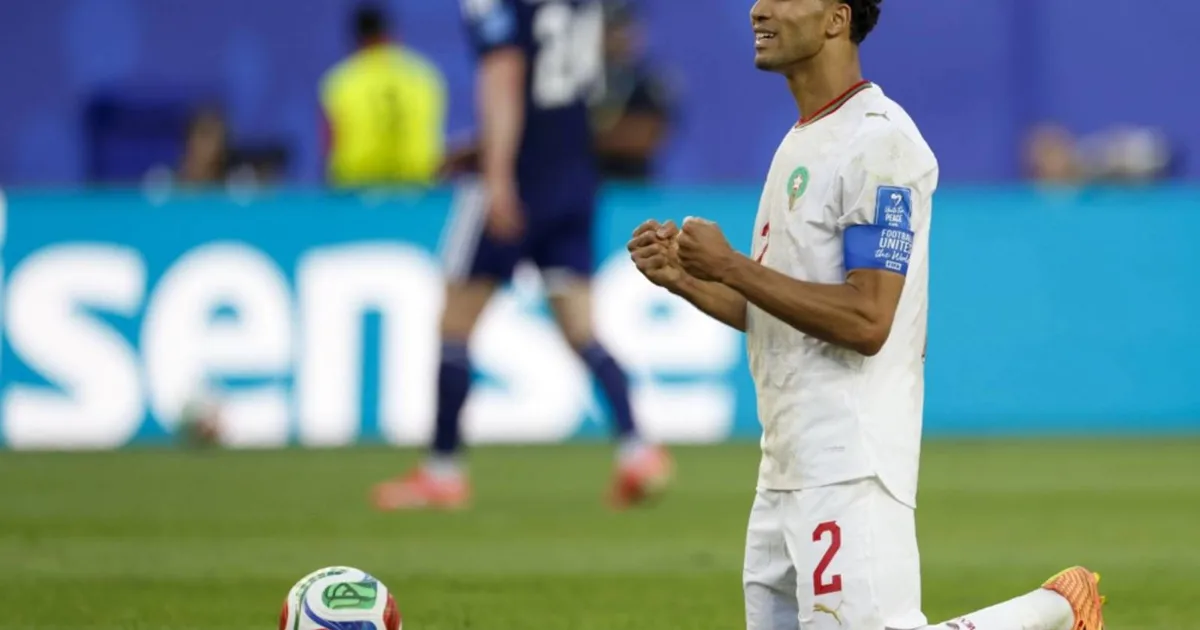
Paris Saint-Germain defender Achraf Hakimi is maintaining his composure as he navigates serious legal allegations, according to Morocco's World Cup coach, who offered measured support for the player amid what constitutes one of professional football's most difficult personal circumstances. The assessment comes as Hakimi confronts a rape trial stemming from accusations involving a 24-year-old woman in the Paris region during 2023, a matter the defender has consistently denied.
Hakimi's situation places him at the intersection of elite sport and serious criminal proceedings—a position that demands considerable psychological resilience. The player's ability to maintain emotional equilibrium under such intense scrutiny reflects not only his personal fortitude but also the exceptional demands placed upon high-profile athletes operating within intense media environments. For a player of his calibre, representing one of Europe's most commercially significant clubs, the reputational stakes extend far beyond his individual career, touching upon institutional interests and national sporting pride.
The Morocco World Cup coach's public statement endorsing Hakimi's mental state represents a significant gesture of institutional backing. Rather than creating distance from the player—a common reflexive response from football associations when members face legal troubles—the coaching staff appears committed to maintaining support. This approach signals confidence in Hakimi's character and reflects the coach's professional judgment that the player retains the psychological capacity to contribute effectively to national team objectives.
The allegations themselves date to an incident in 2023 within the Paris metropolitan region, placing the matter directly within French legal jurisdiction. Hakimi's consistent denial of the allegations provides the foundation for his participation in professional activities pending the trial's conclusion. Under French legal principles, individuals maintain the presumption of innocence throughout proceedings, meaning his status in sport remains unaffected by preliminary charges alone.
For Malaysian and Southeast Asian sports observers, this situation illuminates broader questions about athlete accountability, legal process, and institutional responsibility. The case demonstrates how international football's commercial ecosystem intersects with national legal systems, particularly in France where significant PSG investment and player concentration creates heightened scrutiny. Hakimi's case may influence how football authorities across the region consider similar situations involving players under domestic jurisdiction.
The player's professional situation at PSG remains stable, as no sporting sanctions have been implemented pending trial outcomes. This arrangement reflects standard protocols across major European leagues, where criminal allegations alone do not automatically trigger suspension or contract termination. However, the psychological burden of simultaneous elite performance and serious legal proceedings cannot be underestimated. Professional athletes typically require extraordinary mental discipline to maintain competitive standards when personal circumstances involve criminal accusations.
Morocco's apparent unity around Hakimi becomes particularly noteworthy given football's centralised role within Moroccan society and national identity. The country's strong World Cup performance and emerging talent pipeline mean that retaining experienced defenders remains strategically important for competitive objectives. The coaching staff's supportive stance suggests institutional calculation that distancing from Hakimi would prove counterproductive both personally and institutionally.
The trial itself carries implications extending beyond individual circumstances. Court proceedings in France involving international athletes attract extensive media coverage, potentially establishing precedents for how the French judicial system addresses allegations against prominent figures operating within territory. These procedural elements and their outcomes may inform discussions within football governance circles regarding player conduct standards and institutional response protocols.
Hakimi's denial of the allegations forms the factual foundation for his continued participation in professional football. This categorical rejection suggests the player contests the characterisation of events entirely, rather than acknowledging disputed interpretations of consensual interactions. Such a position necessitates robust defence mechanisms and legal representation, standard elements within French criminal procedure.
The World Cup coach's characterisation of Hakimi's demeanour—describing him as calm—provides external validation of the player's psychological resilience during an evidently stressful period. Whether such composure translates effectively to competitive performance remains empirically uncertain, though professional athletes demonstrate considerable capacity for compartmentalisation. The coaching staff's observation suggests they perceive no immediate performance deterioration resulting from the player's legal circumstances.
For regional audiences, this situation underscores the complex relationship between individual morality, institutional interests, and legal process within globalised professional sport. Hakimi's case exemplifies how contemporary athletes navigate interlocking systems of international commerce, national governance, and public accountability. His ability to proceed professionally while confronting criminal allegations reflects both individual resilience and institutional structures that permit continuation of employment during ongoing proceedings.
The coming months will determine whether the trial reaches resolution and what factual conclusions emerge. Throughout this period, Hakimi's professional activities will likely continue without interruption, a standard feature of sports governance when criminal allegations lack conclusive evidence. The psychological toll of maintaining elite performance standards while defending serious allegations remains unquantified but undoubtedly substantial, making the coach's assessment of his mental composure a meaningful indicator of the player's current functioning during undeniably difficult circumstances.