Tragedy struck Pahang twice in the space of under an hour today, as two unrelated road accidents claimed the lives of four people in the districts of Maran and Pekan. Among those who perished were two sisters, marking a particularly devastating loss for one family caught up in what authorities are investigating as separate incidents. The swift succession of fatal crashes has reignited debate about driving conditions and vehicle safety practices in one of Malaysia's largest states.
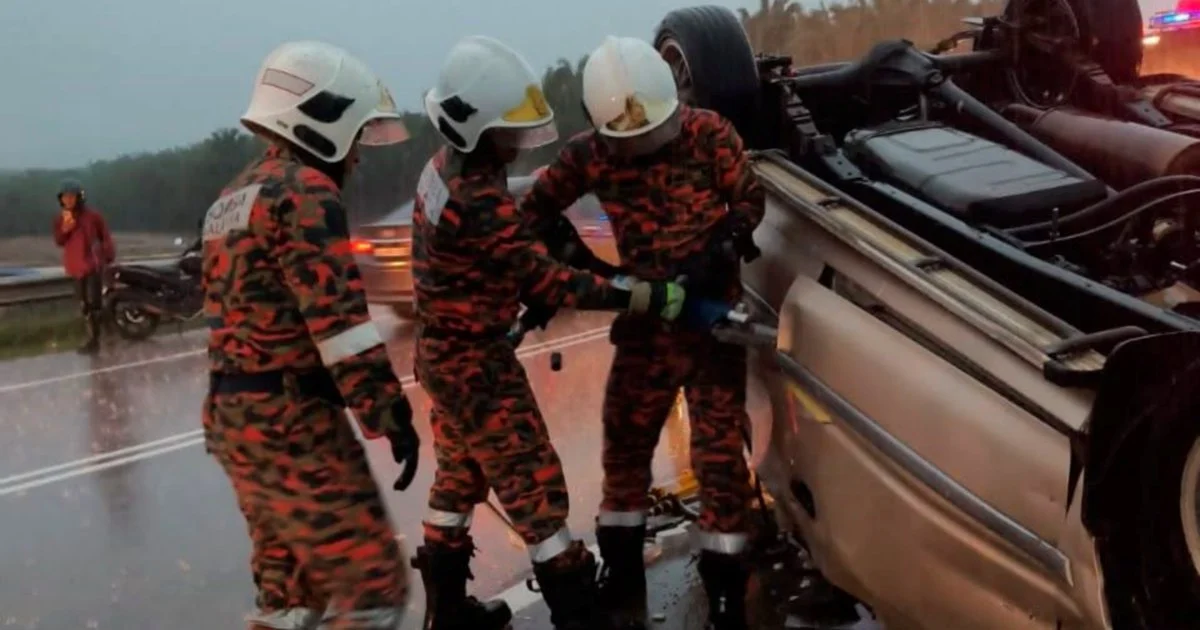
The first accident unfolded in Maran, with the second occurring in nearby Pekan during the afternoon period. Emergency responders were stretched across multiple locations as they worked to extract occupants from damaged vehicles and provide emergency medical care to survivors. The proximity of both incidents within such a narrow timeframe has led authorities to examine whether common factors such as road conditions, visibility, or mechanical failures may have contributed to either crash.
The deaths of the two sisters represent a particularly poignant element of today's road toll. Families who lose multiple members in rapid succession often face compounded trauma, as news of additional losses arrives before shock and grief from initial notification has fully registered. Such incidents underscore how motor vehicle accidents can devastate entire households and extended family networks within moments.
Pahang has grappled with persistent road safety challenges in recent years. The state's geography, featuring long stretches of highway connecting its interior communities to coastal areas, means drivers frequently navigate routes that can present hazards during peak hours, adverse weather, or periods of reduced visibility. Maran and Pekan, both situated along significant transport corridors, have been sites of previous serious accidents that prompted calls for enhanced safety infrastructure and enforcement.
The timing of these crashes during daylight hours suggests that visibility was likely not the primary factor, though investigators will examine speed, vehicle condition, and driver behaviour as part of their routine examination. Preliminary details remain limited as authorities continue their forensic assessments and witness interviews. Such documentation is crucial not only for establishing legal responsibility but for identifying systemic issues that might be addressed through policy intervention or infrastructure improvement.
For Malaysian motorists, the frequency of fatal crashes—particularly those involving multiple deaths in short timeframes—serves as a stark reminder of the volatility inherent in road travel. Despite substantial improvements in vehicle safety technology and road design over the past two decades, human factors and environmental conditions continue to generate life-threatening situations. The concentration of two fatal accidents within sixty minutes in the same general geographic area raises questions about whether there may be specific hazard points or patterns that warrant targeted intervention.
The involvement of two sisters in today's tragic events highlights how road accidents do not distribute their impact evenly. Some crashes claim isolated individuals, while others destroy family units and leave surviving relatives to process not only grief but the complexities of shared loss. Community support services and counselling resources typically become essential for families navigating such circumstances, particularly when multiple members of a household are affected simultaneously.
From a public health perspective, road traffic injuries remain a leading cause of preventable death across the region, with Malaysia consistently reporting significant annual tolls. The concentration of deaths in specific districts and timeframes often correlates with particular routes or driving seasons, providing epidemiologists and transport safety specialists with data to model interventions. Today's incidents will likely be incorporated into such analyses, though the immediate priority remains supporting affected families and ensuring accurate investigation.
Authorities in Pahang typically maintain detailed crash registries that contribute to national road safety statistics. These records allow researchers and policymakers to identify trends, such as whether particular locations experience disproportionate accident rates or whether specific times of day or weather conditions correlate with increased fatality risk. The investigation into both today's crashes will form part of that broader evidence base.
The double tragedy occurring within an hour underscores the unpredictable nature of road hazards. Malaysians using highways in Pahang and elsewhere should remain cognisant that accident risk can materialise suddenly and can affect multiple people in rapid succession. Enhanced vigilance regarding vehicle maintenance, adherence to speed limits, and defensive driving practices represent practical steps that individual motorists can take to reduce their accident exposure, particularly on routes known to carry heavier traffic or to present engineering challenges.