The Rohingya Ulama Council has moved to extinguish a rumour campaign circulating about the stateless Rohingya community, with council chairman Rahimullah Hussain dismissing allegations of citizenship aspirations as deliberately fabricated narratives designed to inflame public sentiment. The denial addresses a pattern of claims that have periodically surfaced within Malaysian public discourse, often coinciding with periods of heightened social tension or political discourse surrounding refugee and migrant populations in the country.
Rahimullah Hussain's statement represents a calculated effort to counter what community leaders perceive as a coordinated campaign of misinformation. Such allegations, the council contends, serve no purpose other than to manufacture discord between the Rohingya population and Malaysian society more broadly. The timing and persistence of these rumours suggest they may be part of a broader narrative intended to delegitimize the community's presence or to justify restrictions on their freedoms and livelihoods.
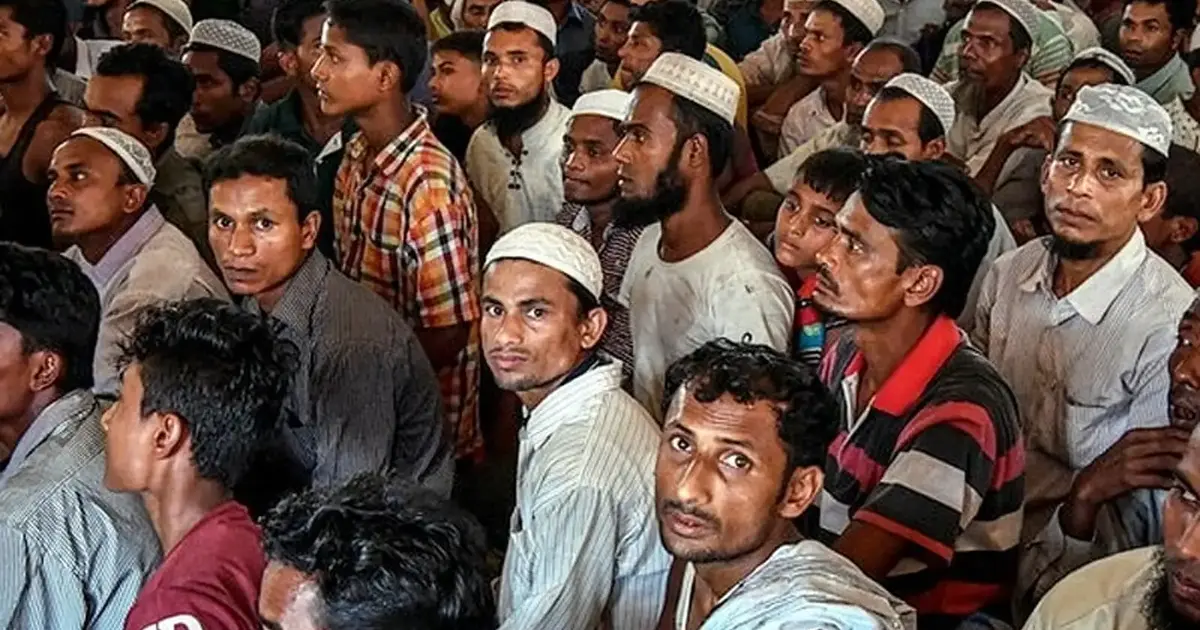
The Rohingya presence in Malaysia remains one of Southeast Asia's most sensitive humanitarian issues. Malaysia hosts one of the world's largest Rohingya populations outside of refugee camps, with estimates suggesting around 180,000 Rohingya reside in the country, predominantly in urban centres. This substantial population exists in a precarious legal limbo, neither granted formal refugee status under Malaysian law nor permitted to participate meaningfully in broader society through employment restrictions and educational barriers.
The allegations of citizenship-seeking, according to the Ulama Council, misrepresent the community's actual aspirations and concerns. The council argues that the Rohingya community's primary preoccupations centre on immediate survival, access to basic services, educational opportunities for their children, and the possibility of eventual repatriation to Myanmar—not integration through formal citizenship acquisition. This distinction carries significant weight within the context of Malaysian public opinion, where concerns about citizenship, national identity, and demographic composition remain potent political considerations.
Understanding the mechanics of how such rumours circulate illuminates broader challenges facing displaced populations seeking to navigate host societies. False claims about minority communities' intentions often exploit existing anxieties about rapid demographic change, resource competition, or national identity. In Malaysia's context, where questions of Bumiputera status, constitutional provisions regarding citizenship, and national cohesion remain central to political discourse, allegations about non-citizen groups seeking citizenship status inevitably trigger heightened sensitivities.
The council's rebuttal also highlights the vulnerability of the Rohingya to information warfare and reputation attacks. Unlike organized political or business entities, community leadership structures lack resources to systematically counter misinformation campaigns or shape public narratives at scale. This asymmetry means that false claims can circulate widely and establish themselves within public consciousness before correction mechanisms become operational. The persistence of such allegations despite previous denials suggests that counter-messaging alone may prove insufficient.
For Malaysian policymakers and civil society, the Rohingya council's statement offers an opportunity to scrutinize the source and motivation behind citizenship claims. Tracing the origins of such allegations—whether they emerge from political actors seeking to mobilize electoral constituencies, particular media outlets pursuing sensationalism, or coordinated disinformation campaigns—would provide valuable insight into how refugee and migrant populations become entangled in broader political contestation. Such analysis might also illuminate how false narratives can be systematically constructed and deployed to influence public policy.
The council's characterization of these claims as hate-incitement speaks to the documented pattern of verbal and sometimes physical harassment experienced by Rohingya communities across Malaysia. From discriminatory employment practices to social ostracism and periodic vigilante actions, the Rohingya face substantial prejudice. Allegations of citizenship-seeking appear designed to intensify this existing animus by suggesting that the community poses a threat to Malaysian identity or stability.
Regionally, the Rohingya issue intersects with broader questions about burden-sharing in addressing humanitarian crises. Malaysia's hosting of such a substantial stateless population, while countries like Thailand and Bangladesh simultaneously manage significant refugee populations, underscores the unequal distribution of humanitarian responsibility. The circulation of inflammatory claims about Rohingya intentions may partly reflect frustration among segments of Malaysian society regarding what they perceive as inadequate international support or burden-sharing mechanisms.
Moving forward, the Rohingya Ulama Council's public denial, while important, may require supplementation through more robust institutional mechanisms for addressing misinformation. Civil society organizations, media outlets, and educational institutions could play constructive roles in systematically countering false narratives while providing accurate information about Rohingya demographics, aspirations, and contributions to Malaysian communities. Such initiatives would need to operate at scale and consistency sufficient to compete with the virality and emotional resonance of inflammatory claims.
The broader significance of this dispute extends beyond the immediate question of citizenship intentions. It reflects deeper questions about how Malaysia manages its humanitarian commitments, how vulnerable populations navigate hostile information environments, and how host societies balance compassion with legitimate concerns about resource allocation and social cohesion. These tensions will likely persist absent more comprehensive policy frameworks addressing refugee and migrant populations' legal status, economic participation, and social integration. Until such frameworks emerge, Rohingya communities will remain vulnerable to periodic campaigns of misinformation that exploit existing uncertainties and anxieties.
%22%2F%3E%3C%2Fpattern%3E%3C%2Fdefs%3E%3Crect%20width%3D%22100%25%22%20height%3D%22100%25%22%20fill%3D%22url(%23ph19mfpg)%22%2F%3E%3Crect%20width%3D%22100%25%22%20height%3D%22100%25%22%20fill%3D%22url(%23ph19mfpp)%22%2F%3E%3Ctext%20x%3D%2250%25%22%20y%3D%2250%25%22%20text-anchor%3D%22middle%22%20dominant-baseline%3D%22central%22%20fill%3D%22rgba(255%2C255%2C255%2C0.95)%22%20font-family%3D%22Georgia%2C%20'Times%20New%20Roman'%2C%20serif%22%20font-weight%3D%22700%22%20font-size%3D%22170%22%20letter-spacing%3D%22-0.02em%22%3EMinistry%3C%2Ftext%3E%3C%2Fsvg%3E)