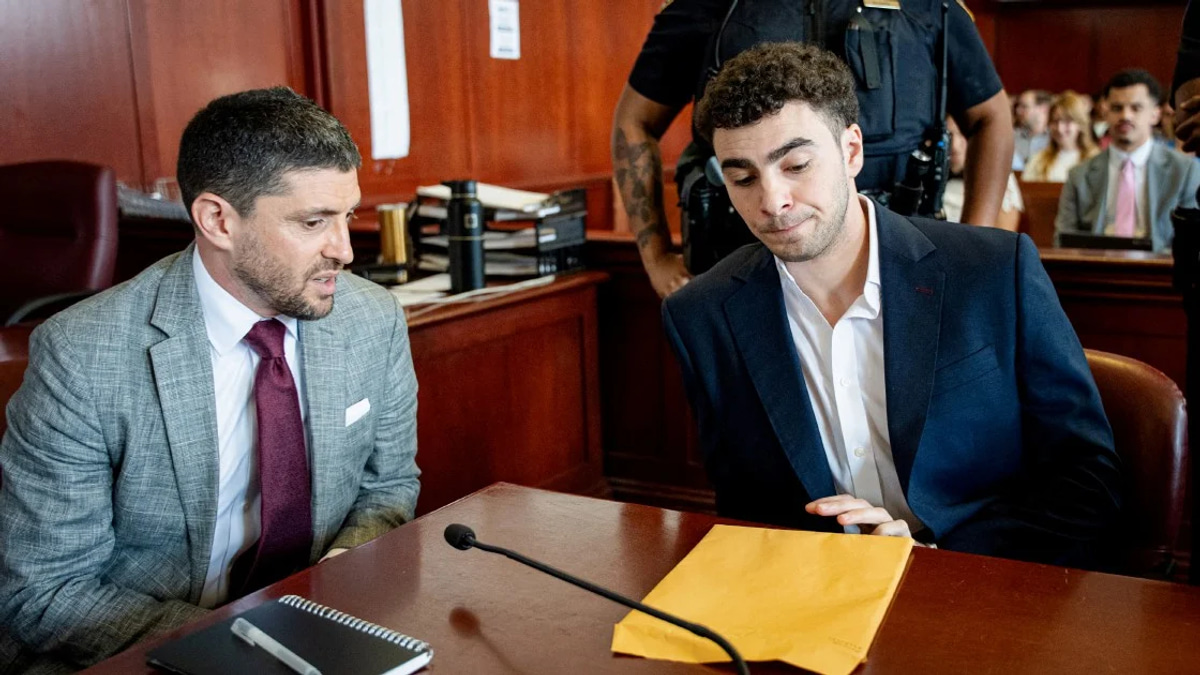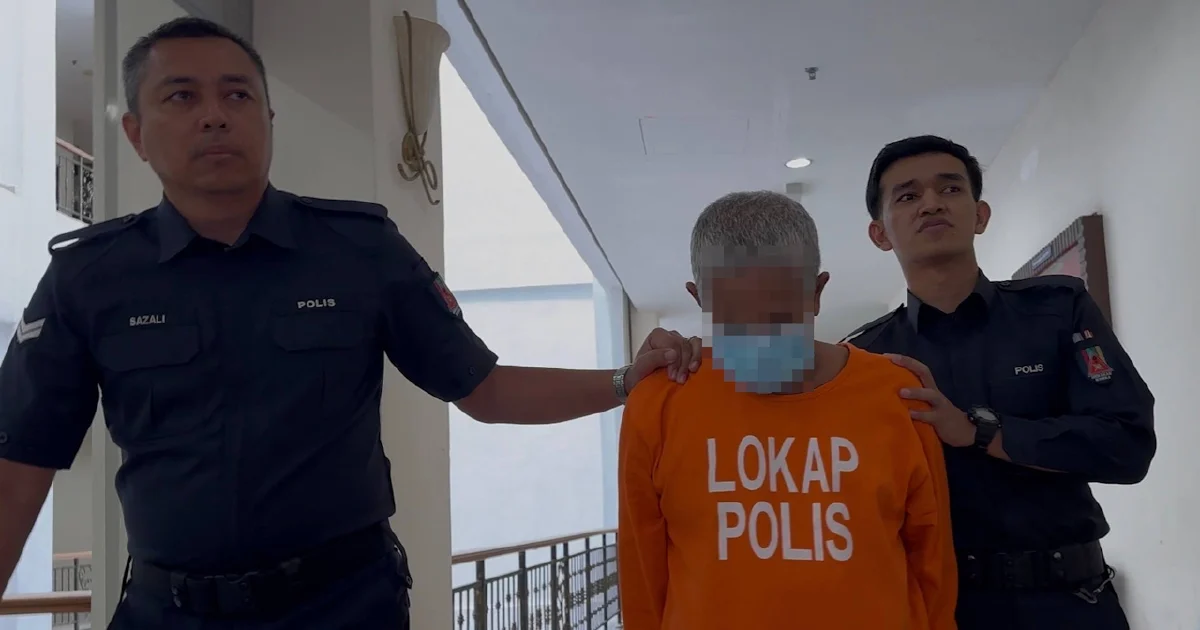
A 67-year-old pensioner from Muar has been sentenced to 33 years imprisonment and 14 strokes of the cane by the Sessions Court after entering guilty pleas to five counts of rape and sexual assault involving his two granddaughters. The severity of the punishment reflects the court's stern stance on sexual offences within the family, a crime category that carries particular social stigma and trauma in Malaysia and across Southeast Asia.
The defendant's decision to plead guilty to all charges streamlined the judicial process, sparing the young victims the ordeal of testifying in court. This guilty plea is significant in child protection cases, as it demonstrates accountability and—though minimal consolation to survivors—eliminates the need for prolonged legal proceedings that can compound psychological harm. In Malaysian jurisprudence, such pleas are typically viewed favourably by sentencing courts, though they do not diminish the gravity of the offences themselves.
The term of 33 years represents a substantial custodial sentence that will keep the offender incarcerated well into his elderly years, effectively serving as a life sentence given his current age. Malaysian courts have increasingly adopted lengthier prison terms for sexual abuse cases, particularly those involving family members and vulnerable children, reflecting societal demands for stronger protection of minors. This case illustrates the judiciary's commitment to imposing meaningful deterrents against intrafamilial sexual violence.
The addition of 14 cane strokes, formally known as a whipping order under Malaysian law, underscores the court's view of the crimes as among the most heinous. Corporal punishment remains a feature of Malaysia's criminal justice system for serious offences, and its application here signals the court's condemnation of predatory behaviour within the family unit. The combination of lengthy imprisonment and caning creates a compounded sentence intended to reflect both retributive and deterrent principles.
Sexual assault and rape within families represent a profound breach of trust and authority. In this instance, the perpetrator held the position of grandfather—a figure traditionally associated with protection and mentorship in Malaysian culture. The exploitation of this familial relationship and the targeting of multiple granddaughters suggests a pattern of predatory behaviour, compounding the psychological and physical harm inflicted on the victims.
Child sexual abuse within families remains underreported across Malaysia and Southeast Asia, often due to shame, fear of family disintegration, economic dependence, and cultural pressures to resolve matters privately. Convictions like this one, particularly when publicised, can encourage other victims and their families to come forward, potentially uncovering additional cases of abuse that might otherwise remain hidden. Public awareness of such cases also serves an educational function, prompting communities and extended families to remain vigilant.
The two granddaughters, though unnamed and protected by media guidelines designed to safeguard child victims, will require comprehensive psychological support and counselling to process their trauma. Malaysia's social services apparatus, while improving, continues to face resource constraints in providing long-term therapy for abuse survivors. Organisations working in child protection advocate for expanded funding and specialist trauma services to help survivors rebuild their lives following such violations.
This Muar case reflects broader criminal justice trends in Malaysia regarding sexual offences. Over recent years, courts have demonstrated a marked tendency to impose stiff penalties for rape and child sexual abuse, moving away from more lenient historical sentencing practices. Legislative amendments and sustained advocacy by women's rights and child protection groups have influenced judicial thinking, resulting in sentences that courts hope will deter potential offenders and demonstrate societal rejection of such crimes.
Family-based sexual abuse cases present unique investigative challenges for law enforcement. Victims may initially deny abuse due to family loyalty, shame, or fear of economic consequences. Police and prosecutors in cases like this rely on careful interviewing techniques, medical evidence, and corroborating witness testimony. The successful prosecution to guilty plea here indicates effective investigation and evidence gathering by authorities, though the specific details of the case remain closed to public scrutiny to protect the victims' identities and dignity.
The sentencing will form part of Malaysia's criminal justice records on sexual offences and may serve as a reference point in future cases involving similar circumstances. Sessions Courts, as intermediate trial courts, set important precedents within their jurisdictions that influence charging decisions and bail considerations in comparable cases. This decision will likely inform prosecutors and defence counsel regarding sentencing expectations for aggravated sexual assault cases within family contexts.
Beyond the immediate case, the judgment underscores ongoing societal challenges in protecting children from exploitation by trusted family members. Malaysia's approach combines criminal punishment with child welfare interventions, though coordination between law enforcement, social workers, and child protection agencies requires continuous improvement. Regional cooperation on child safeguarding, especially within ASEAN, remains essential given the transnational nature of some abuse networks and the mobility of offenders across borders.
%22%2F%3E%3C%2Fpattern%3E%3C%2Fdefs%3E%3Crect%20width%3D%22100%25%22%20height%3D%22100%25%22%20fill%3D%22url(%23ph4w4yvg)%22%2F%3E%3Crect%20width%3D%22100%25%22%20height%3D%22100%25%22%20fill%3D%22url(%23ph4w4yvp)%22%2F%3E%3Ctext%20x%3D%2250%25%22%20y%3D%2250%25%22%20text-anchor%3D%22middle%22%20dominant-baseline%3D%22central%22%20fill%3D%22rgba(255%2C255%2C255%2C0.95)%22%20font-family%3D%22Georgia%2C%20'Times%20New%20Roman'%2C%20serif%22%20font-weight%3D%22700%22%20font-size%3D%22226%22%20letter-spacing%3D%22-0.02em%22%3EPenang%3C%2Ftext%3E%3C%2Fsvg%3E)