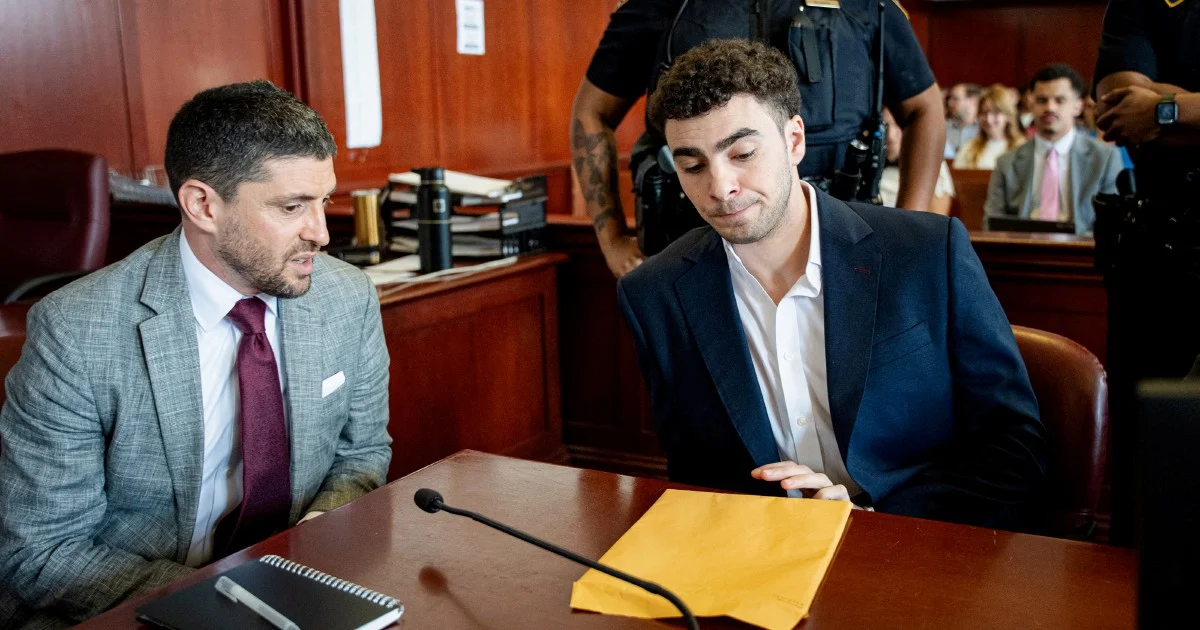
Luigi Mangione, the suspect in the high-profile death of a prominent health insurance executive on a Manhattan street, has signalled a tactical shift in his legal strategy by shelving plans to present evidence of a severe mental health condition at trial. The decision, disclosed through court documents filed on Friday, represents a significant development in a case that has drawn intense media scrutiny and sparked broader conversations about healthcare industry accountability and corporate scrutiny in America.
Mangione faces serious charges related to the December shooting death of the insurance company official on a busy Manhattan sidewalk. The alleged incident occurred amid heightened public debate over the role of insurance executives in healthcare decision-making, particularly regarding coverage denials that can affect patient outcomes. The case has resonated widely, with public commentary ranging from criticism of insurance industry practices to concerns about vigilantism and violence.
The decision to withdraw the mental health defence component marks a notable strategic recalibration for the defendant's legal team. Such defences, when pursued in criminal proceedings, typically aim to establish that an accused person was operating under severe psychological distress or diminished mental capacity at the time of the alleged offence. By stepping back from this approach, at least temporarily, Mangione's defence appears to be reconsidering how best to mount his case given the evidentiary and procedural complexities involved.
For Malaysian readers following international criminal justice developments, this case illustrates how American courts handle high-profile criminal matters with substantial public interest dimensions. The decision-making process around defence strategy in major cases reflects broader questions about culpability, mental state, and how legal systems balance public concern with fair trial principles. The timing and nature of such tactical decisions can significantly influence case outcomes and sentencing possibilities.
Court filings in major American criminal cases typically provide windows into the evolving positions of both prosecution and defence teams. The withdrawal of planned evidence submissions suggests conversations between Mangione, his legal counsel, and potentially discussions about negotiation possibilities or alternative strategic directions. Such repositioning is not uncommon as cases develop and new information emerges through discovery processes.
The broader context of this case extends beyond the individual defendant. The alleged victim's position as a senior figure in health insurance has made the case emblematic of larger societal tensions around healthcare access, insurance coverage decisions, and corporate accountability. Public reaction to the case has reflected deep frustration with insurance industry practices, even as legal and security officials have emphasised the serious nature of violent responses to those frustrations.
In terms of precedent and legal strategy, Mangione's decision demonstrates how defence teams must weigh different approaches as trials approach. Mental health defences require substantial expert testimony, psychiatric evaluation, and detailed presentation of the accused's psychological state. Abandoning such a strategy might suggest the defence team believes alternative approaches offer better prospects, or that evidentiary challenges make the mental health angle less viable.
The case also highlights how American criminal justice handles accusations against individuals with no prior public profile who become suddenly prominent through serious charges. The media attention, public commentary, and shifting narratives surrounding the defendant and the circumstances of the alleged crime create a complex environment for mounting any legal defence.
For Southeast Asian observers, this case demonstrates aspects of American criminal procedure and defence strategy that differ from many regional approaches. The relative transparency of court filings, the ability of defence teams to publicly withdraw planned defence strategies, and the overall adversarial nature of American criminal trials reflect particular legal traditions that shape how serious criminal allegations unfold.
The implications of Mangione's strategic withdrawal remain unclear without knowing what alternative approach his legal team intends to pursue. Whether the defence will focus on challenging factual allegations, questioning evidence reliability, or pursuing other angles remains to be seen. The decision may also signal evolving assessments of jury perception and what legal arguments might resonate most effectively in securing acquittal or mitigated consequences.
As the case progresses through New York's court system, observers will continue monitoring how such strategic decisions affect the proceedings. The intersection of public interest, media coverage, and serious criminal allegations creates a distinctive environment for mounting legal defences in cases of this magnitude and public salience.