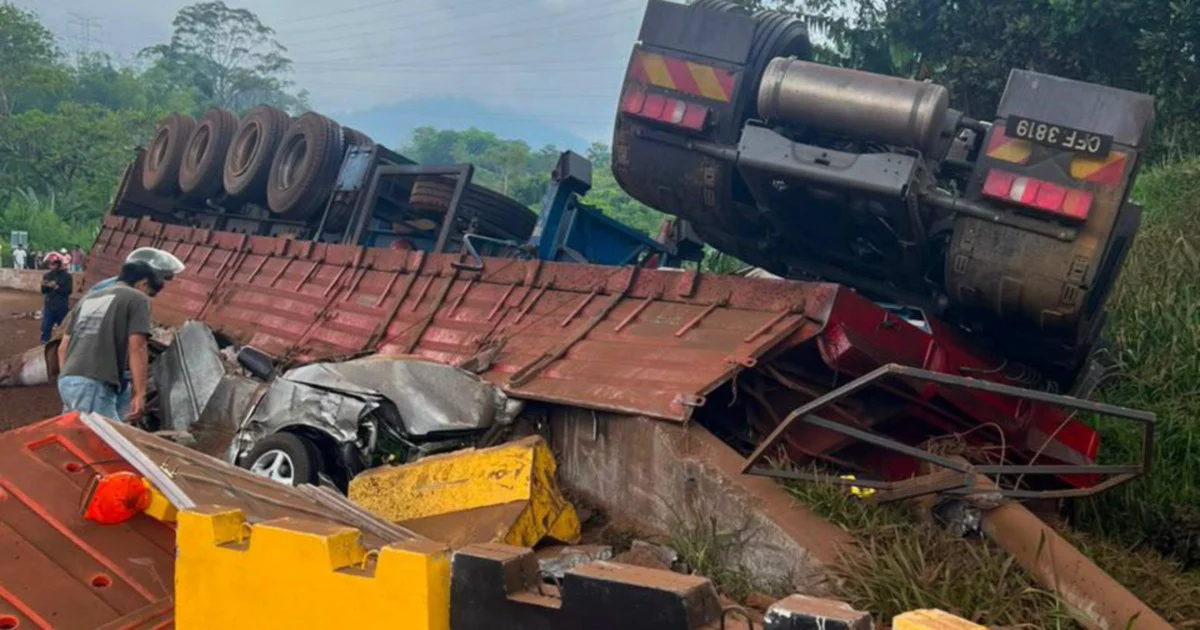
The driver of a trailer that was involved in a catastrophic collision claiming four lives on the Karak Expressway near Bentong has been released on police bail, pending further investigation and prosecution decisions by the relevant authorities. The incident, which occurred on June 14, has reignited concerns about heavy vehicle safety and driver accountability on one of Malaysia's busiest interstate highways connecting the east and west coasts of Peninsular Malaysia.
The release of the driver on police bail is a standard procedural step in serious traffic fatality investigations. While bail terms allow the individual to remain free during the investigative phase, it does not imply innocence or exonerate the driver from potential charges. Malaysian law enforcement agencies typically employ this approach to balance the rights of the accused while gathering comprehensive evidence, reviewing forensic data, and determining the precise sequence of events that led to the tragedy.
The Karak Expressway has been the site of numerous fatal accidents over the years, reflecting broader challenges in Malaysia's road safety record. Heavy vehicles, particularly lorries and trailers, feature prominently in expressway statistics due to their size, braking distances, and the high speeds at which they travel. The presence of inexperienced or fatigued drivers at the wheel of these massive vehicles substantially increases collision risk, especially when combined with poor visibility conditions, mechanical failures, or reckless driving behaviour.
Investigators will likely examine multiple factors in determining responsibility. These include the driver's hours of service compliance, whether mandatory rest periods were observed, the condition of the vehicle's braking systems, visibility conditions at the time of impact, weather circumstances, and whether speed played a contributory role. The possibility of sudden medical events, mechanical failure, or sudden obstacles on the roadway cannot be ruled out pending detailed forensic examination of the trailer and the crash scene.
The death of four individuals represents a significant tragedy for the families affected and serves as a stark reminder of the human cost of road accidents. Fatal collisions on expressways often involve complete vehicle destruction and cause trauma extending beyond the immediate victims to rescue personnel, eyewitnesses, and the broader community. Each incident generates renewed calls from safety advocates for stricter enforcement of vehicle maintenance standards and driver behaviour regulations.
Malaysia's approach to prosecuting serious traffic offences has evolved in recent years, with courts increasingly considering the severity of negligence in fatal cases. Depending on the findings of the investigation, potential charges could range from causing death through rash or negligent conduct to more serious driving-related offences. The trajectory from bail release to formal prosecution can take several months, during which time investigation teams gather statements, analyse vehicle data, and consult with forensic specialists.
The Karak Expressway's significance as a critical transport corridor means that incidents here receive heightened scrutiny from authorities and the public. The route carries substantial volumes of heavy commercial traffic daily, connecting major industrial zones, ports, and distribution centres. Any accident involving large vehicles demonstrates the vulnerability of other road users sharing this space and raises questions about whether current safety measures are adequate.
For Malaysian road safety advocates, cases of this nature underscore the necessity for comprehensive programmes addressing commercial driver training, vehicle maintenance certification, and fatigue management systems. Several regional countries have introduced technology-based solutions including electronic logging devices to monitor driver hours and advanced braking systems on heavy vehicles. Whether Malaysia's regulatory framework sufficiently mandates such technologies remains a subject of ongoing policy discussion among transport officials and safety organisations.
The release of the driver on bail does not conclude the matter; rather, it marks the beginning of a more intensive investigative phase. Police will work alongside specialist accident reconstruction teams, potentially consulting international experts if necessary. The toxicology of samples collected from the driver will be analysed, and witness statements will be cross-referenced with physical evidence recovered from the crash scene and the vehicles involved.
Forthe grieving families of the four fatalities, the bail decision provides limited solace. The investigation's outcome will ultimately determine whether criminal charges proceed to trial, which can take additional months or even years to resolve through Malaysia's court system. Throughout this period, attention remains focused on whether the circumstances suggest culpable negligence justifying serious criminal liability or whether factors beyond the driver's control contributed significantly to the tragedy.
As Malaysia continues to grapple with its road safety statistics, incidents like the Bentong collision serve as catalysts for renewed discussion about enforcement intensity, infrastructure improvements, and whether existing regulations adequately protect highway users. The coming weeks will reveal whether the investigation uncovers evidence suggesting systemic safety failures or whether the incident represents an isolated tragedy resulting from unforeseeable circumstances or individual error.
%22%2F%3E%3C%2Fpattern%3E%3C%2Fdefs%3E%3Crect%20width%3D%22100%25%22%20height%3D%22100%25%22%20fill%3D%22url(%23ph4w4yvg)%22%2F%3E%3Crect%20width%3D%22100%25%22%20height%3D%22100%25%22%20fill%3D%22url(%23ph4w4yvp)%22%2F%3E%3Ctext%20x%3D%2250%25%22%20y%3D%2250%25%22%20text-anchor%3D%22middle%22%20dominant-baseline%3D%22central%22%20fill%3D%22rgba(255%2C255%2C255%2C0.95)%22%20font-family%3D%22Georgia%2C%20'Times%20New%20Roman'%2C%20serif%22%20font-weight%3D%22700%22%20font-size%3D%22226%22%20letter-spacing%3D%22-0.02em%22%3EPenang%3C%2Ftext%3E%3C%2Fsvg%3E)