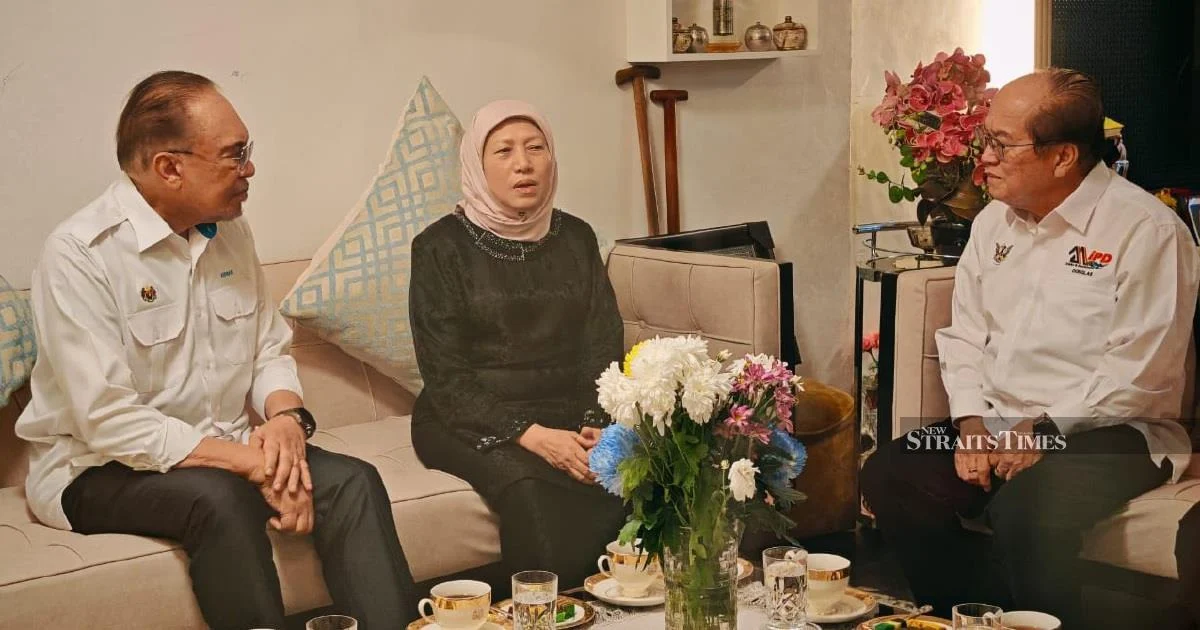
Prime Minister Datuk Seri Anwar Ibrahim made a solemn visit to Kuching today to pay his respects to Women, Family and Community Development Minister Datuk Seri Nancy Shukri, whose husband Datuk Kamil Misuari has recently passed away. The gesture underscores the government's recognition of the significant loss experienced by one of its senior cabinet members during a critical period of the administration's tenure.
The condolence visit reflects the customary diplomatic protocols observed within Malaysia's federal hierarchy when senior government figures experience personal bereavement. Such visits by the Prime Minister carry symbolic weight in affirming institutional support and demonstrating the bonds that tie together the nation's leadership during moments of personal tragedy. By travelling to Sarawak personally, Anwar signalled the importance he places on acknowledging the grief of his cabinet colleague.
Nancy Shukri, who holds one of the key ministerial portfolios focusing on social welfare and family matters, has been instrumental in shaping policies affecting Malaysian households and women's issues. Her position makes her a visible public figure, and the loss of her spouse during her tenure in high office inevitably intersects matters of public interest with private grief. The timing of her bereavement places her in the difficult position of managing personal loss while maintaining her ministerial responsibilities.
The Women, Family and Community Development Ministry oversees crucial programmes related to women's empowerment, family support services, and community development initiatives across Malaysia. This portfolio particularly touches on matters close to the daily lives of millions of Malaysian families, making the minister's well-being and capacity to function a matter of broader public concern. The Prime Minister's personal acknowledgement of her loss serves to recognise both her individual circumstances and the continued importance of her ministerial work.
Kamil Misuari's death represents a significant event in his family's personal history and has broader resonance given his wife's prominent position within the federal government. The manner in which the nation's leadership responds to such losses often reflects broader cultural values around respect, dignity, and the recognition that those in public service simultaneously maintain their private lives and family bonds. Anwar's decision to travel to Kuching rather than merely sending formal correspondence demonstrates a more personal level of engagement.
Condolence visits from high-ranking officials serve multiple functions within political systems. They affirm human connection within hierarchical structures, provide emotional recognition during vulnerable periods, and publicly demonstrate institutional cohesion. For Nancy Shukri, having the Prime Minister make the effort to visit in person conveys that her status and contributions to government are valued, and that personal hardship does not diminish her standing within the administration.
The visit also carries significance for Sarawak specifically, as it represents direct engagement by the federal Prime Minister with a state-based minister during a moment of personal significance. Such interactions, though often ceremonial in nature, contribute to the fabric of federal-state relations and demonstrate that the Prime Minister's office remains attentive to the needs and circumstances of government representatives across all regions of Malaysia.
Within the context of Malaysia's political landscape, maintaining strong collegial relationships among cabinet members remains essential for effective governance and legislative cooperation. Bereavement can temporarily affect a minister's availability and focus, making it important for the government to publicly affirm its support for affected individuals and their families. This approach helps sustain institutional stability even as individuals navigate personal challenges.
The gesture also reflects broader Malaysian cultural norms emphasising communal support during times of loss. In many Malaysian communities, visits by senior figures to offer condolences are considered important expressions of respect and solidarity. By adhering to these practices at the highest levels of government, Anwar demonstrates cultural sensitivity and recognition of values that resonate throughout Malaysian society.
For Nancy Shukri, navigating her ministerial duties while grieving her husband's loss presents considerable personal and professional challenges. The Prime Minister's visit provides at least symbolic reinforcement that she has institutional backing during this transition. Whether and how she adjusts her schedule or workload in the coming weeks remains a private matter, but the public acknowledgement of her loss establishes a baseline of organisational understanding regarding her circumstances.
The condolence visit, though relatively brief in duration and purely ceremonial in formal terms, thus carries layered significance. It acknowledges individual human tragedy, affirms institutional values, reinforces collegial solidarity within the cabinet, and demonstrates the Prime Minister's personal engagement with his government team. These dynamics, often overlooked in favour of policy analysis, form important underpinnings of how governments function at the human level.