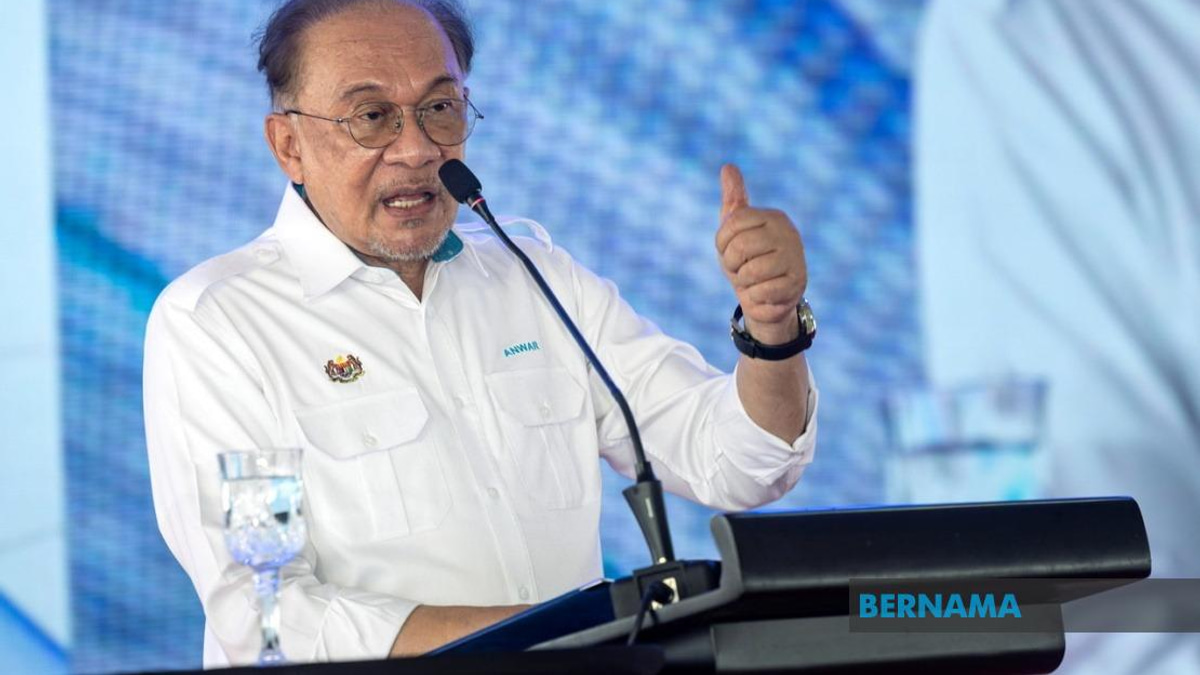
The political friction in Johor intensified this week as senior opposition figures began scrutinising the Barisan Nasional coalition's electoral strategy in the state. Datuk Seri Dr Zaliha Mustafa, serving as vice-president of the PKR component party within Pakatan Harapan, took aim at the Johor BN chairman's public insistence that the opposition coalition reveal its menteri besar candidate before the forthcoming state election. Her challenge signals deepening concerns within the PH camp about what it views as shifting goalposts in pre-election negotiations and campaign tactics.
At the heart of the dispute lies a fundamental question about electoral transparency and timing. Onn Hafiz Ghazi, who chairs the BN coalition structure in Johor as the ruling state government's chief coordinator, has repeatedly urged Pakatan Harapan to make public its choice for menteri besar position well ahead of the election campaign proper. The rationale offered by BN quarters typically centres on voter entitlement to know who they would be electing into the state's top administrative position. However, Zaliha's intervention suggests that this demand may not reflect genuine coalition interest in transparency but rather strategic political maneuvering.
Zaliha's critique draws attention to an apparent inconsistency in how such demands have been applied across the political divide. Political observers note that historically, both ruling and opposition coalitions have maintained discretion over leadership choices until optimal moments in their campaign calendars. The tension between declaring candidates early versus maintaining strategic flexibility has long characterised Malaysian electoral politics, where candidate selection announcements can significantly influence voter sentiment and internal party dynamics. Zaliha appears to be highlighting that if early disclosure were truly a principle BN champions, its own approach should reflect this standard uniformly.
The underlying stakes in Johor remain substantial for both coalitions. As Malaysia's second-largest state by population and traditionally a BN stronghold, Johor elections carry symbolic weight beyond the state itself. Control of the state government translates into considerable resources, patronage networks, and political momentum at the national level. For Pakatan Harapan, which has made incremental inroads into Johor electoral support in recent years, the state represents a genuine opportunity to expand its federal coalition's reach into historically unfriendly territory. For Barisan Nasional, defending Johor represents a strategic imperative in maintaining its relevance as a national political force.
The candidacy question also touches deeper party management challenges. Within Pakatan Harapan, determining the menteri besar candidate involves negotiating among multiple component parties—PKR, DAP, and Amanah—each with their own organisational interests and leadership aspirations. Announcing a candidate prematurely could upset internal party equilibriums or invite factional challenges. Similarly, keeping the decision close until strategic moments allows PH to manage candidate burnout, media scrutiny, and opponent attacks more effectively. Zaliha's implicit argument is that political coalitions require operational flexibility that public declarations constrain.
The timing of this polemic also deserves attention. Electoral cycles in Malaysia typically follow predictable patterns, with election commissions announcing nomination dates only weeks before polling day. This compressed timeline has historically justified delayed candidate announcements, as coalitions mobilise their machinery and finalise logistics. Should Johor hold state elections within the expected timeframe, the relevance of announcing candidates months in advance remains questionable from a practical standpoint. Onn Hafiz's insistence may therefore reflect not administrative necessity but rather an attempt to force the opposition into earlier exposure of its electoral plans.
From a Southeast Asian perspective, Malaysia's coalition dynamics offer instructive lessons in how opposition parties navigate against entrenched incumbents. Johor's political complexion—deeply rooted in regional Malay-Muslim demographics while increasingly diverse in urban concentrations—mirrors challenges opposition movements face across the region. The question of candidate timing reflects broader struggles between transparency demands and strategic positioning that define competitive electoral environments throughout Southeast Asia. How Malaysian coalitions manage these tensions influences perceptions of democratic practice across the broader region.
Zaliha's public challenge also reflects PKR's evolving role within the opposition coalition architecture. As Anwar Ibrahim's party seeks to consolidate influence within Pakatan Harapan, senior figures like Zaliha increasingly engage in public advocacy on coalition-wide matters. Her intervention suggests PKR is positioning itself as a counterweight to what it views as unreasonable demands from the ruling coalition, potentially strengthening its hand in internal PH negotiations over resource allocation and candidate placement.
The broader implications extend to voter messaging. Citizens typically respond to clarity about leadership alternatives, yet they also understand that political parties operate under constraints that require strategic discretion. How coalitions frame their candidate decisions—whether as transparent democracy or pragmatic necessity—shapes public perception of their governance readiness. Zaliha's challenge forces consideration of whether Onn Hafiz's demands genuinely reflect democratic principles or represent tactical positioning dressed in democratic language. This distinction matters to voters assessing which coalition operates with greater integrity and consistency.
Looking forward, the candidacy debate will likely persist as the Johor election calendar becomes clearer. Pressure from BN, countered by PH's resistance, may eventually resolve through whatever announcement timing the opposition believes optimal. Zaliha's intervention ensures that when Pakatan Harapan does reveal its menteri besar candidate, the revelation will occur on the opposition's terms rather than under pressure from the ruling coalition. This dynamic underscores how electoral competition in Malaysia increasingly involves not just campaign messaging but also careful choreography of strategic information release. The political messaging inherent in how candidates are announced has become as important as who those candidates ultimately are.

%22%2F%3E%3C%2Fpattern%3E%3C%2Fdefs%3E%3Crect%20width%3D%22100%25%22%20height%3D%22100%25%22%20fill%3D%22url(%23ph523ndg)%22%2F%3E%3Crect%20width%3D%22100%25%22%20height%3D%22100%25%22%20fill%3D%22url(%23ph523ndp)%22%2F%3E%3Ctext%20x%3D%2250%25%22%20y%3D%2250%25%22%20text-anchor%3D%22middle%22%20dominant-baseline%3D%22central%22%20fill%3D%22rgba(255%2C255%2C255%2C0.95)%22%20font-family%3D%22Georgia%2C%20'Times%20New%20Roman'%2C%20serif%22%20font-weight%3D%22700%22%20font-size%3D%22272%22%20letter-spacing%3D%22-0.02em%22%3EAnwar%3C%2Ftext%3E%3C%2Fsvg%3E)