%22%2F%3E%3C%2Fpattern%3E%3C%2Fdefs%3E%3Crect%20width%3D%22100%25%22%20height%3D%22100%25%22%20fill%3D%22url(%23ph523ndg)%22%2F%3E%3Crect%20width%3D%22100%25%22%20height%3D%22100%25%22%20fill%3D%22url(%23ph523ndp)%22%2F%3E%3Ctext%20x%3D%2250%25%22%20y%3D%2250%25%22%20text-anchor%3D%22middle%22%20dominant-baseline%3D%22central%22%20fill%3D%22rgba(255%2C255%2C255%2C0.95)%22%20font-family%3D%22Georgia%2C%20'Times%20New%20Roman'%2C%20serif%22%20font-weight%3D%22700%22%20font-size%3D%22272%22%20letter-spacing%3D%22-0.02em%22%3EAnwar%3C%2Ftext%3E%3C%2Fsvg%3E)
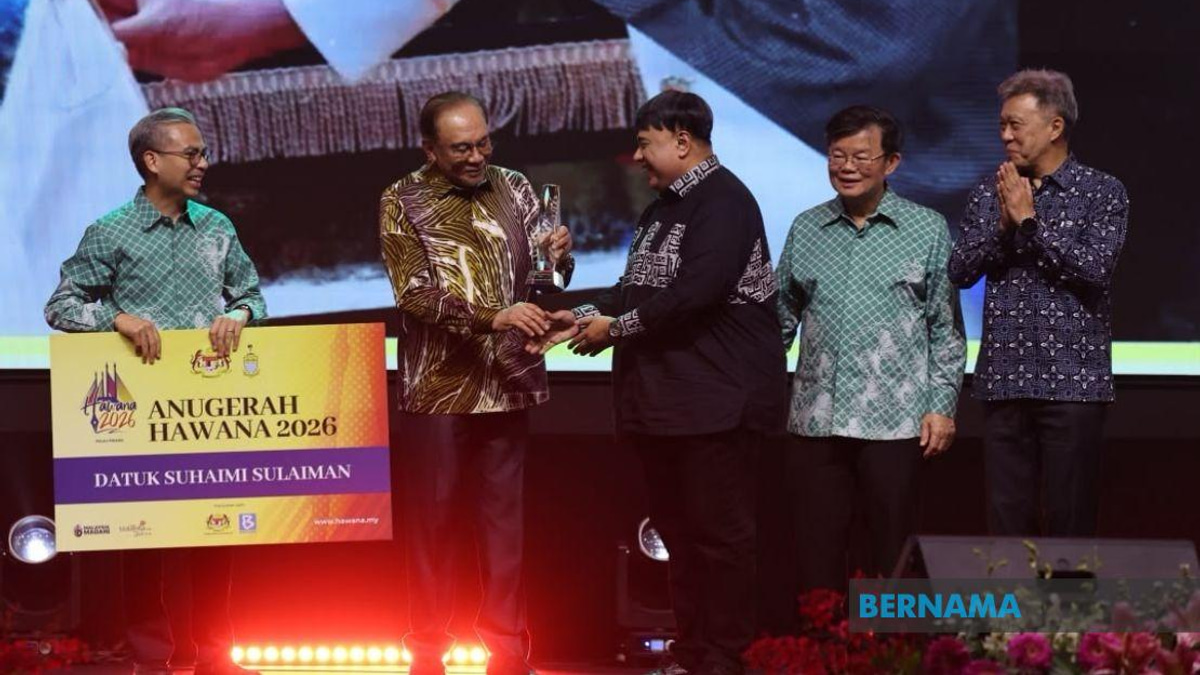
Prime Minister Datuk Seri Anwar Ibrahim is honouring Malaysia's journalism community by presenting the HAWANA prizes and special awards at PICCA Convention Centre in Butterworth, underscoring the government's commitment to recognising the vital role of the press in the nation's democratic framework.
The ceremony represents a significant acknowledgement of the fourth estate at a time when media freedom and professional journalism standards remain focal points of public discourse across Southeast Asia. By personally attending the award presentation, the Prime Minister signals the administration's valuation of ethical reporting and the contributions made by journalists operating across print, broadcast, and digital platforms throughout the country.
HAWANA, Malaysia's premier journalism award programme, celebrates excellence in reporting and editorial practice. The recognition of both general award winners and recipients of special honours reflects the diverse ways media professionals engage with their work, from investigative journalism to community storytelling. Such accolades serve to incentivise higher standards within newsrooms and encourage emerging talents to pursue careers in journalism at a time when the industry faces significant commercial pressures.
The choice of Butterworth as the venue carries particular significance for Penang, the state where the event is hosted. The location at PICCA Convention Centre provides a fitting platform for gathering media professionals from across the region, facilitating networking and dialogue among journalists from different organisations and publication types. This regional gathering helps strengthen professional bonds within the journalism community beyond the capital.
In the Malaysian context, government recognition of journalism awards holds particular weight given the complex relationship between media and political leadership over recent years. The Prime Minister's participation demonstrates an openness to engaging with the press and acknowledging professional standards in reporting. This approach contrasts with previous periods when government-media relations were more strained, suggesting a shift toward greater institutional support for media excellence.
The timing of such recognition is noteworthy as newsrooms throughout the region grapple with digital transformation, audience fragmentation, and economic sustainability challenges. Awards programmes like HAWANA provide tangible recognition that helps retain talented journalists and motivate newsroom teams facing mounting pressures. The inclusion of special awards alongside regular categories allows for creative recognition of journalists who have demonstrated exceptional commitment or tackled challenging stories.
For journalists operating in Malaysia and Southeast Asia more broadly, such official recognition carries professional weight. Winning awards enhances individual careers, increases credibility with audiences, and strengthens institutional reputations. In an era when trust in media varies significantly across demographics and regions, awards ceremonies help demonstrate that rigorous standards and professional ethics remain central to journalism practice.
The PICCA Convention Centre event also provides an opportunity for the Prime Minister to communicate directly with media representatives about his administration's policies and vision. Such gatherings typically combine formal award presentations with informal networking, creating spaces where journalists can engage with political leadership beyond standard press conferences or formal interviews. These interactions can improve understanding between media and government institutions.
The Malaysian journalism sector has evolved considerably with the growth of digital platforms and changing consumption patterns. Award ceremonies continue to celebrate traditional values of accuracy, fairness, and public service journalism while increasingly recognising innovation in storytelling, data journalism, and multimedia reporting. HAWANA's evolution reflects these broader shifts within the profession.
Recognising journalism excellence also sends messages about press freedom and editorial independence to international observers. Malaysia's standing on global media freedom indices remains a concern for international press organisations, making domestic government support for journalism awards a noteworthy signal about official attitudes toward the fourth estate and democratic institutions.
The special awards component of the ceremony indicates attention to journalists who may not fit traditional award categories but whose work has demonstrated exceptional value to society. These recognitions often honour journalists covering difficult topics, working in challenging environments, or producing investigations with significant public impact. Such accolades validate the risks and difficulties inherent in professional journalism practice.
For the Prime Minister, the event represents an opportunity to position his administration as supportive of media freedom and professional standards, elements increasingly important to Malaysia's image as a developing democracy. By championing journalism awards, the government reinforces narratives about its commitment to good governance and institutional strengthening. These symbolic gestures matter in shaping perceptions of administrative priorities.
The broader significance extends to the Malaysian public, who benefit from a media ecosystem where excellence is recognised and encouraged. Awards programmes create incentives for thorough reporting, fact-checking, and editorial responsibility—outcomes that ultimately serve public interests by maintaining information quality in an increasingly complex and contested media landscape.