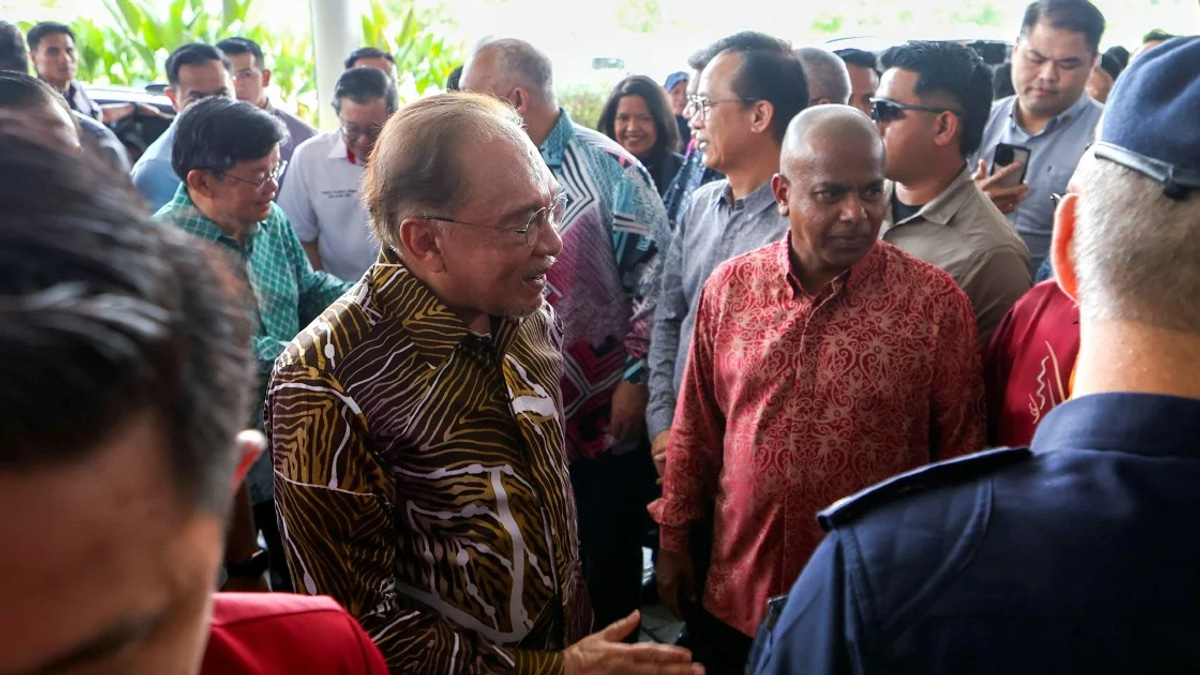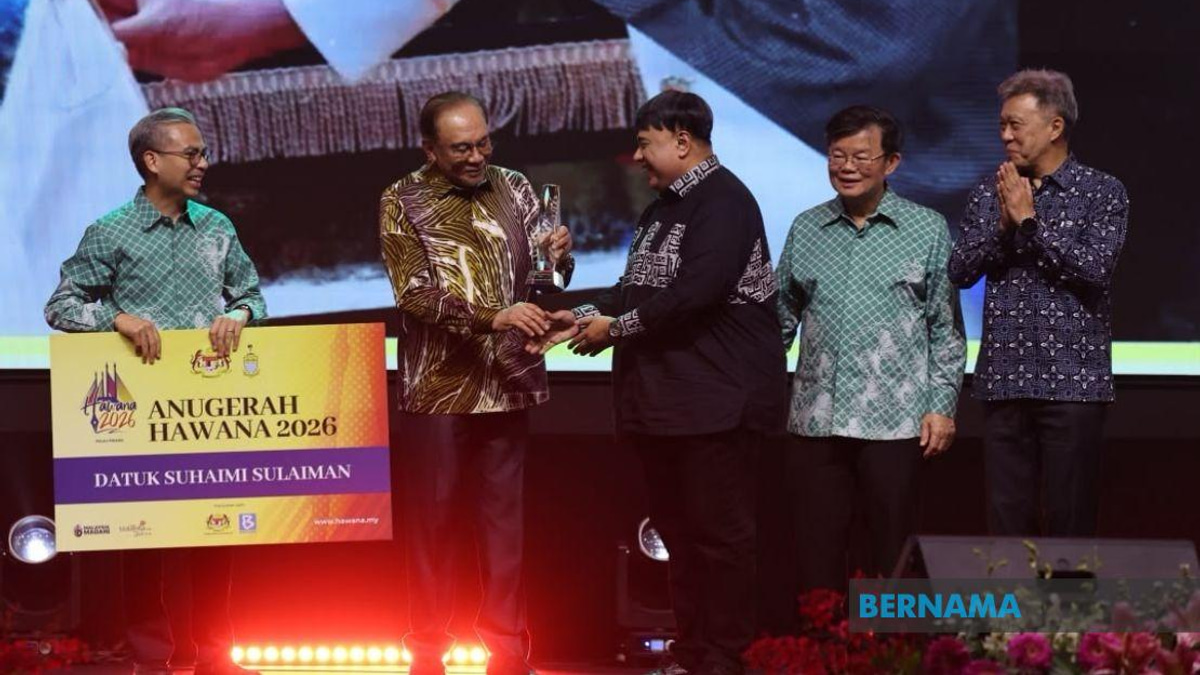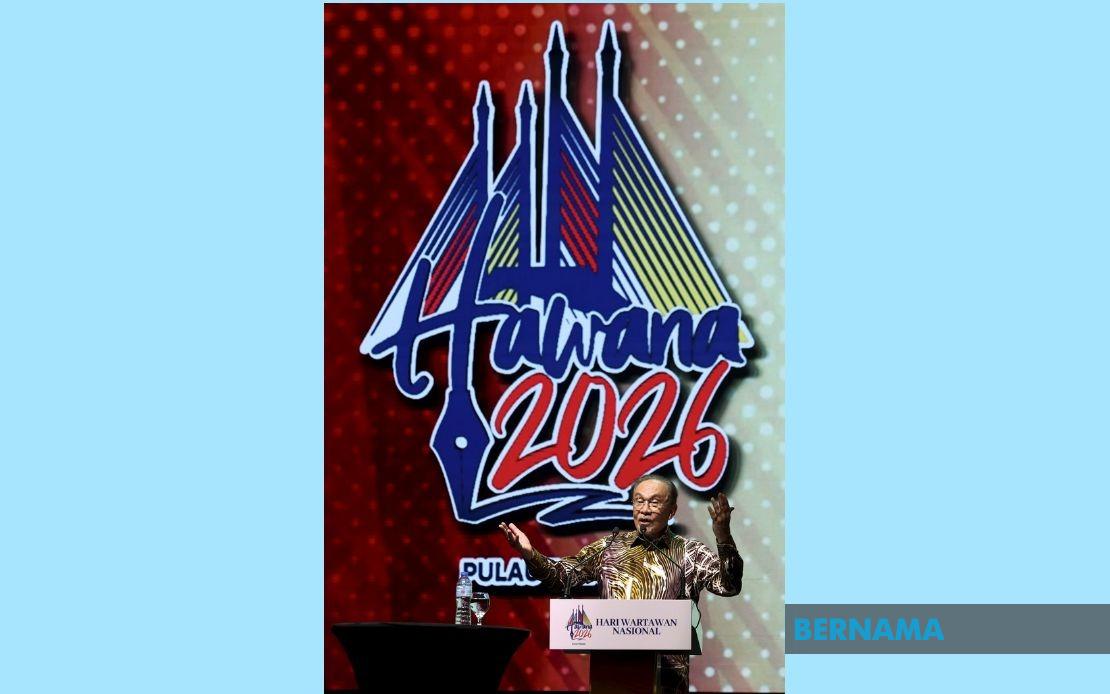
Prime Minister Datuk Seri Anwar Ibrahim unveiled a fresh RM1 million injection into Tabung Kasih@HAWANA during the National Journalists' Day 2026 main event in Butterworth on June 20, signalling the government's deepening commitment to addressing the financial vulnerabilities of Malaysia's media workforce. Speaking in his capacity as Finance Minister at the PICCA Convention Centre@Butterworth Arena, Anwar framed the allocation as part of a broader institutional effort to safeguard practitioners grappling with economic hardship across the country's diverse news media landscape.
The fund has already demonstrated measurable impact since its inception, with 773 media professionals receiving financial support totalling RM2.26 million to date. This track record suggests that the welfare initiative has successfully penetrated the practitioner base and identified genuine cases of need, moving beyond symbolic gesture toward tangible intervention. The additional RM1 million commitment therefore represents not merely an isolated announcement but a signal that the government views this support mechanism as a permanent fixture in its social safety net architecture.
Tabung Kasih@HAWANA was formally established during the 2023 National Journalists' Day celebrations, emerging from recognition that media practitioners often lack adequate financial buffers against illness, injury, or unexpected crises. The fund's operational scope encompasses direct financial aid, medical expense coverage, family welfare assistance, and ancillary support mechanisms, reflecting an understanding that media sector vulnerabilities extend beyond simple income supplementation. For Malaysian journalists earning comparatively modest salaries relative to private sector counterparts, such targeted assistance can represent the difference between maintaining livelihood stability and sliding into genuine hardship.
The June 20 gathering brought together an impressive confederation of media stakeholders, with more than 1,000 journalists from Malaysia and neighbouring nations including Timor-Leste, Cambodia, and Laos converging on Butterworth. This international dimension underscores how Malaysia positions itself within the broader Southeast Asian media ecology, and demonstrates that conversations about journalist welfare have assumed regional significance. The attendance of senior government figures—including Penang Chief Minister Chow Kon Yeow and Communications Minister Datuk Fahmi Fadzil—reflected official recognition of the symbolic and practical importance attached to the gathering.
The 2026 edition operated under the banner "Media Integrity Strengthens Credibility," a thematic choice carrying particular resonance in an era of widespread information disorder and declining public trust in news institutions. The emphasis on integrity suggests that Malaysian policymakers recognise media sector health as foundational to broader institutional credibility, rather than treating journalism as merely another profession deserving generic welfare support. This framing positions the fund within a larger governmental narrative about protecting democratic institutions and public information ecosystems.
Anwar's dual role as Prime Minister and Finance Minister added weight to the announcement, positioning welfare for media practitioners as a genuine budgetary priority rather than a peripheral initiative overseen by a subordinate ministry. The Communications Ministry, represented at the event by secretary-general Datuk Abdul Halim Hamzah and deputy secretary-general Datuk Bahria Mohd Tamil, provided institutional continuity with the fund's operations. This layered government representation signalled coherence across multiple administrative portfolios regarding support for the media sector.
For Malaysian journalists navigating an increasingly precarious professional landscape—characterised by digital disruption, advertising revenue migration toward technology platforms, and structural consolidation within media groups—additional funding represents practical validation of their professional status. The 773 practitioners already assisted through Tabung Kasih@HAWANA likely encompassed individuals facing medical emergencies, family crises, or income disruption from retrenchment or contract non-renewal. Each additional RM1 million allocation expands the fund's capacity to respond to such contingencies, potentially reaching practitioners who might otherwise fall through institutional safety net gaps.
The gathering of Malaysian National News Agency (Bernama) leadership—including chairman Datuk Seri Wong Chun Wai and chief executive officer Datin Paduka Nur-ul Afida Kamaludin—reflected Bernama's institutional role as de facto steward of Malaysian journalism's professional standards and collective interests. As a state-aligned news agency, Bernama's presence at the fund announcement legitimised the initiative within official circles while potentially signalling that the government views professional news production as worthy of targeted state support. This positioning carries particular significance given ongoing debates about media freedom and state-media relationships in Malaysia.
The regional participation and international attendance demonstrated how journalist welfare and media integrity transcend purely national concerns. Southeast Asian nations grapple with shared challenges around digital disruption, business model sustainability, and journalist security—challenges that render cross-border peer learning valuable. By hosting practitioners from Timor-Leste, Cambodia, and Laos, Malaysia positioned itself as a centre for regional conversation about media sector challenges and policy responses, potentially establishing templates that neighbouring nations might adopt or adapt.
The RM1 million allocation, while meaningful in supporting individual practitioners, remains modest relative to the scale of challenges confronting Malaysia's media ecosystem. Nevertheless, it signals sustained governmental attention and represents incremental institutional commitment to professional journalism. For Malaysian readers concerned about media quality and journalist welfare, the fund's expansion indicates that official recognition of these challenges persists, even as broader structural transformations within the media industry continue unabated. The announcement thus occupies a middle ground between genuine policy intervention and symbolic gesturing—concrete enough to provide measurable assistance, yet modest relative to the systemic pressures reshaping journalism globally.