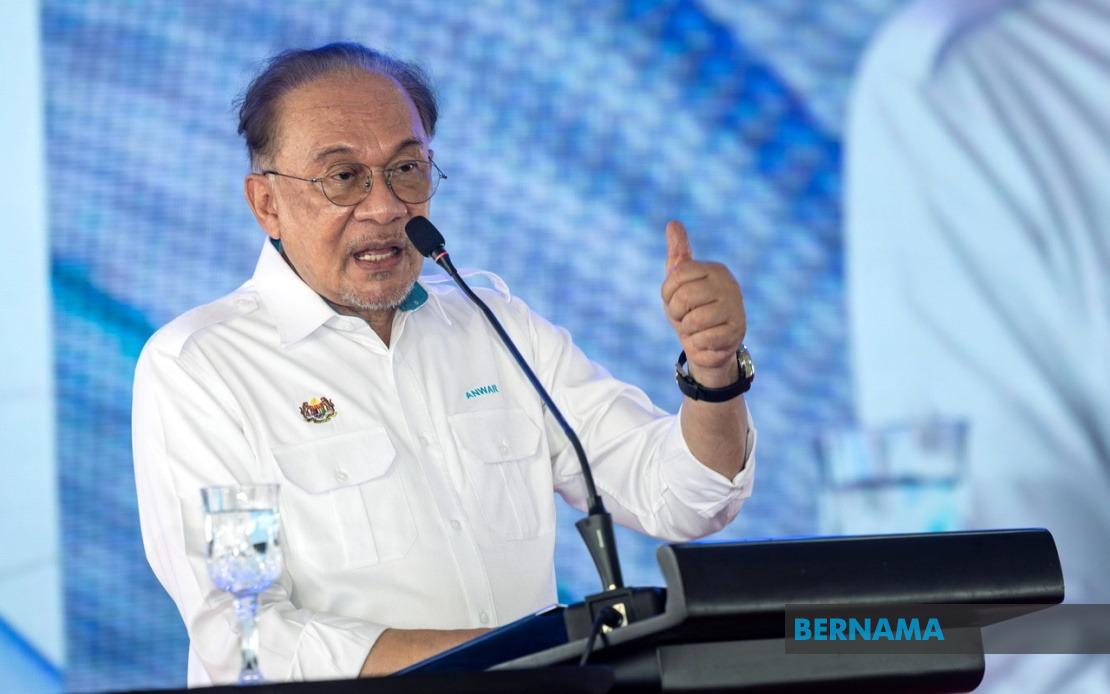
Prime Minister Datuk Seri Anwar Ibrahim has announced significant breakthroughs in Malaysia's energy diplomacy, having negotiated long-term supply agreements with both Russia and Turkmenistan that are expected to underpin the nation's energy security well into the coming decades. The dual agreements represent a strategic pivot toward diversifying Malaysia's energy sources away from traditional suppliers, addressing mounting concerns about supply vulnerabilities and price volatility in global energy markets. Speaking at the groundbreaking ceremony for the Setia Fontaines Industrial Park in Kepala Batas, Anwar outlined the details of negotiations conducted during recent diplomatic visits to both countries.
During his recent official trip to Russia, Anwar met with President Vladimir Putin to finalise arrangements for a comprehensive energy partnership spanning at least 20 years. The agreement commits Russia to supplying Malaysia with crude oil, natural gas, and diesel products over this extended period, creating a stable and predictable energy supply corridor that reduces exposure to sudden market disruptions. For Malaysia, which imports the majority of its petroleum products and relies on liquefied natural gas to supplement domestic production, such long-term contracts provide budgeting certainty and shield the economy from sudden price shocks that can ripple through manufacturing, transportation, and power generation sectors.
The Turkmenistan engagement has yielded even more substantial gains for Malaysia's energy portfolio. Following Anwar's recent visit, Turkmenistan has granted Malaysia unprecedented access to its vast hydrocarbon reserves, positioning the Southeast Asian nation to tap into some of the world's most significant untapped gas deposits. This development carries profound implications for Malaysia's industrial competitiveness and regional standing, as energy-intensive manufacturing remains a cornerstone of the national economy. The secured access to Turkmen reserves effectively de-risks Malaysia's long-term energy planning and creates new opportunities for downstream industries dependent on stable, affordable energy inputs.
The foundation for these arrangements was laid during an earlier diplomatic engagement when Turkmenistan President Serdar Berdimuhamedov visited Malaysia in December 2024. That visit catalysed substantive negotiations between government officials and energy sector representatives from both nations, establishing the mutual understanding and goodwill necessary for concluding such significant bilateral accords. The subsequent progression from that initial meeting to formal agreements demonstrates the efficacy of sustained diplomatic engagement and the importance Malaysia places on energy partnerships in the Central Asian region.
Beyond securing Malaysia's domestic energy consumption, the agreements unlock export opportunities that could generate substantial foreign exchange earnings and strengthen Malaysia's position in regional energy markets. Anwar emphasised that the additional energy resources obtained through the Turkmenistan deal can be directed toward major Asian energy consumers including China, Japan, and South Korea, which face perpetually rising demand for natural gas and petroleum products. This export dimension transforms the energy agreements from purely defensive measures into offensive economic tools, enabling Malaysia to participate more meaningfully in global energy trade and diversify revenue streams beyond traditional exports.
The timing of these energy agreements reflects broader strategic considerations within Malaysia's foreign policy architecture. By cultivating robust energy partnerships with Russia and Turkmenistan, Malaysia demonstrates its commitment to pragmatic diplomacy that prioritises national economic interests irrespective of geopolitical alignments or international pressure. This approach resonates with Malaysia's historical positioning as a non-aligned nation pursuing independent foreign policy, while simultaneously acknowledging that energy security constitutes a fundamental prerequisite for sustained economic growth and social stability.
For Malaysia's manufacturing sector, which competes globally in electronics, petrochemicals, and automotive components, reliable energy access at competitive prices remains a decisive competitive advantage. Industries operating in these fields require continuous, stable power supplies and feedstock availability; long-term energy contracts mitigate the operational uncertainties that might otherwise deter investment or drive production relocation to jurisdictions with more assured energy access. The agreements therefore represent not merely geopolitical positioning but concrete economic enablers that can influence Malaysia's trajectory in global manufacturing and trade.
The energy security dimension also carries implications for Malaysia's internal development planning and job creation objectives. When energy supplies are assured and prices are predictable, government and private sector planners can confidently commit resources to capital-intensive projects, infrastructure expansion, and workforce development programmes. Conversely, energy uncertainty typically constrains such investments, as businesses and policymakers adopt conservative stances to preserve capital and manage risk. Anwar's emphasis on leveraging international relations to safeguard energy security, generate employment opportunities, and catalyse economic development reflects recognition that these elements remain interconnected.
The strategic dimension of these agreements extends beyond immediate energy concerns into broader questions of regional stability and Malaysia's evolving role within Southeast Asian geopolitics. By establishing reliable energy relationships with countries possessing substantial reserves, Malaysia strengthens its resilience against external shocks and positions itself as a potentially more stable energy supplier to regional partners. This capability enhances Malaysia's diplomatic influence and creates opportunities for deeper integration within regional economic frameworks, while simultaneously reducing dependence on any single energy source or supplier.
Looking forward, the successful conclusion of these energy partnerships establishes a template for Malaysian diplomacy seeking to advance national interests through targeted engagement with resource-rich nations. The agreements demonstrate that despite Malaysia's geographic distance from Central Asian energy producers, effective diplomatic messaging, high-level engagement, and clear articulation of mutual benefits can overcome distance and historical distance to forge consequential partnerships. The arrangements also underscore the continuing relevance of bilateral diplomacy in an era increasingly dominated by multilateral frameworks and trading blocs.
These energy accords arrive at a moment when global energy markets remain volatile and predictions regarding future supply patterns remain uncertain. By locking in long-term supplies at negotiated terms, Malaysia secures a measure of insulation from market fluctuations that might otherwise undermine economic planning and impose unanticipated fiscal burdens. The agreements thus represent prudent stewardship of national interests, protecting Malaysia's economic interests against future geopolitical and commercial uncertainties while positioning the nation for sustained prosperity.