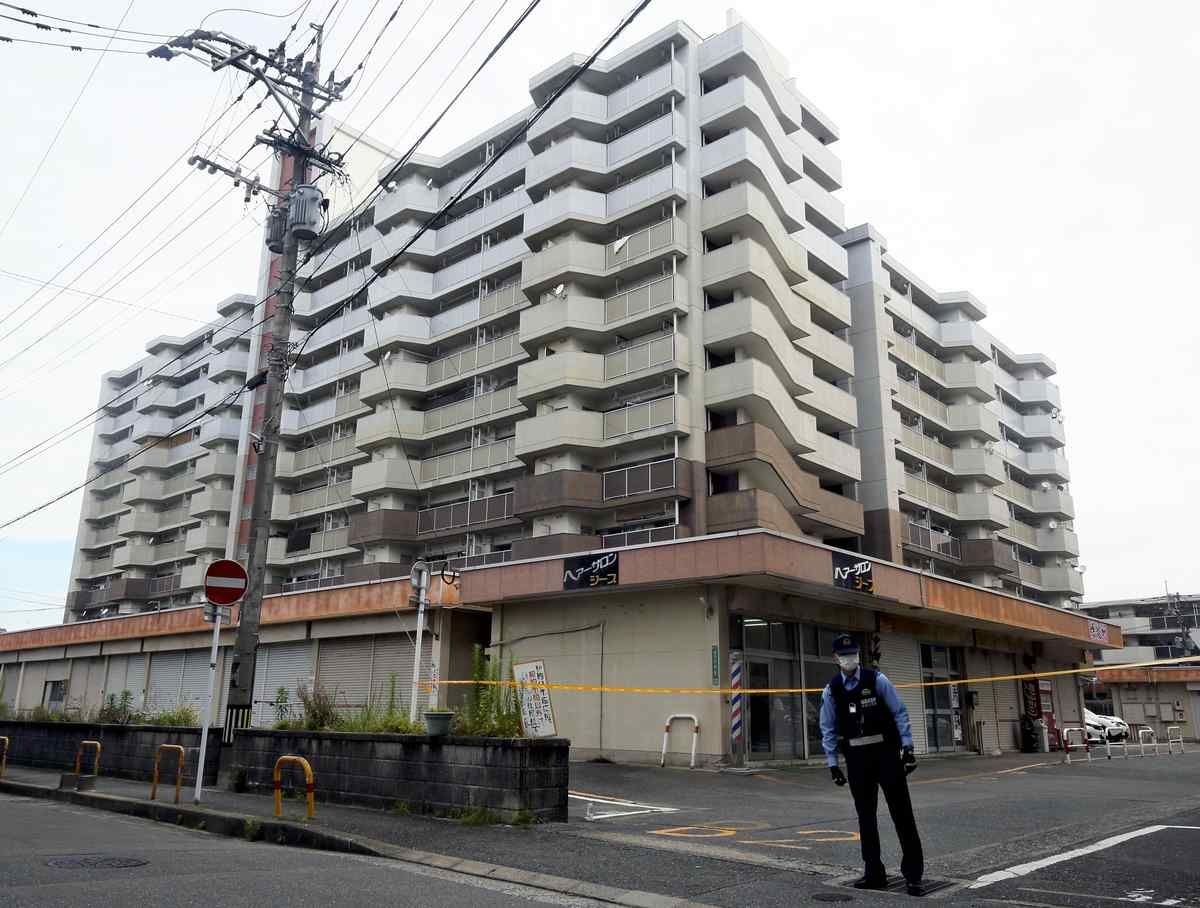
A 36-year-old woman is now facing murder charges following the death of her friend in Fukuoka City early Thursday morning. The Fukuoka Prefectural Police's Higashi Station arrested the suspect on Thursday after the fatal stabbing of a 33-year-old woman in what investigators say was a brutal and deliberate attack in a residential setting.
The tragic incident unfolded at approximately 3:15am Thursday when the suspect allegedly attacked her friend with a knife-like object, inflicting multiple wounds to the neck and chest areas. Emergency responders rushed the critically injured woman to a nearby hospital, but medical personnel were unable to save her life. She was pronounced dead upon arrival, transforming what authorities initially treated as an attempted murder case into a full homicide investigation.
What makes this case particularly disturbing is the presence of the victim's three elementary school-aged children sleeping in a separate room during the attack. The children were spared direct involvement in the violence, though the psychological impact of such an event occurring in their own home cannot be understated. Police have not released details about how the children discovered the incident or whether they witnessed any part of the assault.
The suspect has cooperated with investigators and provided a confession to authorities. In her statement, she acknowledged her culpability, telling police: "It's true I did it. I stabbed her many times." This admission has significantly aided the police investigation and strengthened the case against her. The Higashi Station confirmed that investigators will be reclassifying the charges from the initial attempted murder suspicion to a formal murder investigation.
The nature of the relationship between the suspect and victim remains a critical aspect of the investigation. Both women were residents of Fukuoka, and the suspect was living in close proximity to the victim, suggesting they maintained some form of regular contact. Understanding the dynamics of their friendship and what may have triggered such a violent confrontation will be central to prosecutors building their case and potentially explaining her motivation.
This incident highlights persistent concerns about domestic violence and interpersonal conflict in Japanese society, particularly when children are present in vulnerable situations. While the children were physically separated from the violence, the trauma of losing a parent and experiencing such a traumatic event in their own home raises serious questions about their welfare and the support systems available to them.
The case also underscores challenges faced by law enforcement in responding to violent crimes in residential areas during late-night hours. The 3:15am timing of the attack suggests the children were deep in sleep, which may explain why they were not awakened by the commotion. However, the proximity of the violence to their sleeping quarters raises questions about whether emergency responders should have engaged with the children present at the scene and how vulnerable minors are protected in such investigations.
As the investigation progresses, authorities will likely examine whether there were any prior incidents or warnings between the two women that might have indicated escalating tensions. Police will also be looking into whether the suspect had any history of violence or mental health issues that could provide context for the alleged crime. Such background information often proves crucial in understanding what triggers ordinarily law-abiding individuals to commit acts of extreme violence.
The case is being handled by experienced detectives at the Higashi Station, which serves the eastern districts of Fukuoka. Given the severity of the charges and the fact that the suspect has already confessed, prosecutors are expected to move swiftly toward formal charges and potential court proceedings. The presence of an eyewitness—in this case, the confession itself—substantially simplifies the investigative burden compared to many homicide cases.
For the broader community in Fukuoka and across Japan, this incident serves as a sobering reminder of how quickly situations between acquaintances can escalate to violence. The case will likely draw scrutiny from child welfare advocates concerned about the wellbeing of the three children left without a mother and their exposure to such trauma at a formative age. Local authorities may face pressure to review their protocols for protecting minors at crime scenes and ensuring adequate psychological support is provided to child victims of family tragedies.
The case represents another addition to Japan's ongoing struggle with violent crime, particularly incidents occurring within or near residential spaces where families should feel secure. While Japan maintains relatively low violent crime rates compared to many other developed nations, the shocking nature of such attacks continues to generate public concern about personal safety and the reliability of one's closest relationships as a source of security rather than danger.

%22%2F%3E%3C%2Fpattern%3E%3C%2Fdefs%3E%3Crect%20width%3D%22100%25%22%20height%3D%22100%25%22%20fill%3D%22url(%23ph523ndg)%22%2F%3E%3Crect%20width%3D%22100%25%22%20height%3D%22100%25%22%20fill%3D%22url(%23ph523ndp)%22%2F%3E%3Ctext%20x%3D%2250%25%22%20y%3D%2250%25%22%20text-anchor%3D%22middle%22%20dominant-baseline%3D%22central%22%20fill%3D%22rgba(255%2C255%2C255%2C0.95)%22%20font-family%3D%22Georgia%2C%20'Times%20New%20Roman'%2C%20serif%22%20font-weight%3D%22700%22%20font-size%3D%22272%22%20letter-spacing%3D%22-0.02em%22%3EAnwar%3C%2Ftext%3E%3C%2Fsvg%3E)