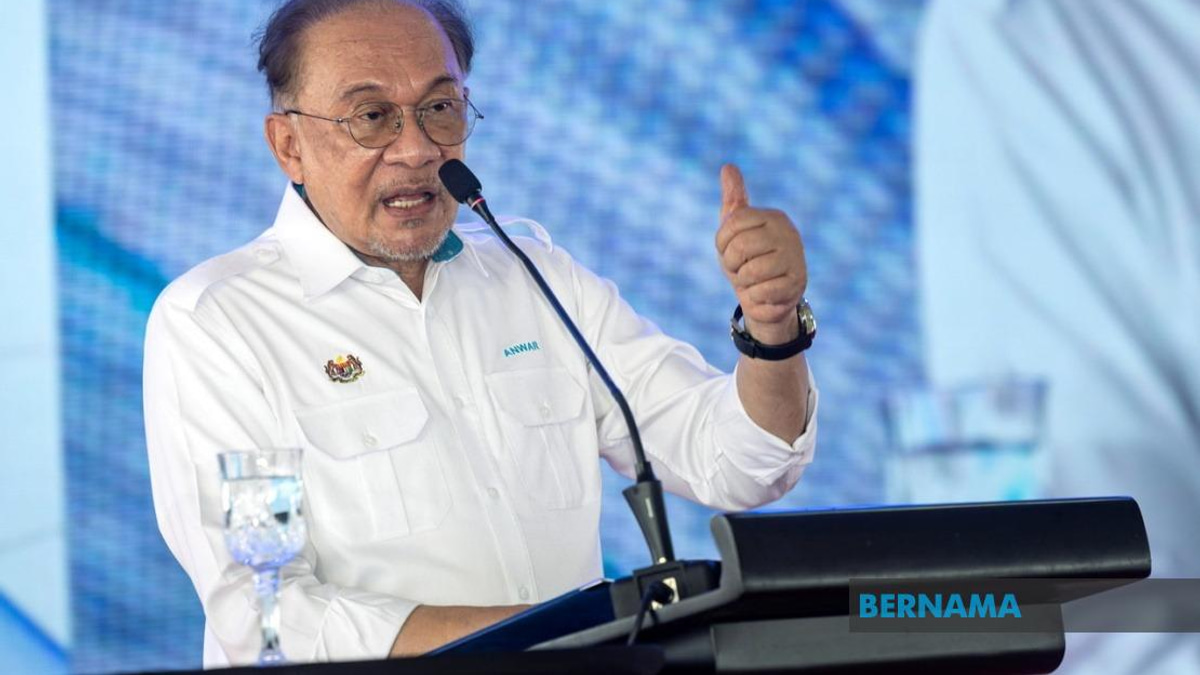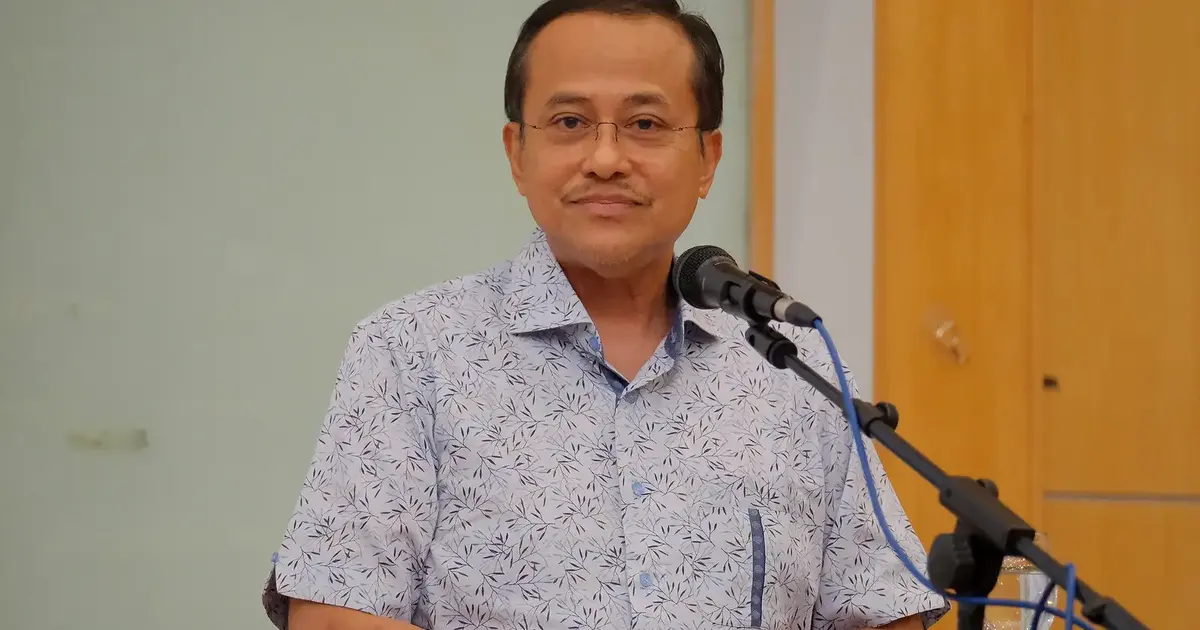
The electorate across Malaysia is gravitating toward political leaders who project composure and stability rather than bombastic oratory, according to Shahril Hamdan, who previously served as the information chief for Umno. Speaking to the broader sentiment among voters, Shahril argues that the contemporary political landscape reveals a fundamental appetite for measured leadership in an era marked by economic uncertainty and social fragmentation.
In his assessment, Shahril contends that voters have grown weary of the confrontational style that has long dominated Malaysian politics. The preference for calm, steady figures reflects what he sees as electorate maturation—a recognition that grand pronouncements and inflammatory rhetoric have failed to translate into tangible improvements in citizens' daily lives. This observation carries particular weight given Malaysia's history of personality-driven politics, where charismatic but divisive leaders have periodically captured public imagination.
The shift Shahril identifies speaks to deeper frustrations within the Malaysian voting base. Years of political turmoil, coalition instability, and unfulfilled campaign promises have seemingly inoculated voters against the traditional appeal of fiery speeches and sweeping assurances. Instead, constituents appear increasingly interested in leaders who demonstrate administrative competence, policy clarity, and a pragmatic approach to governance. This recalibration suggests that authenticity and demonstrated track records now carry greater weight than rhetorical flourish.
Sharihil's remarks invoke comparisons to leaders like Samsuri, whose style exemplifies the measured approach gaining traction with voters. Such leaders typically emphasize institutional competence, stakeholder dialogue, and incremental problem-solving over revolutionary promises. In the Malaysian context, where ethnically diverse constituencies require coalition-building and consensus, the appeal of calmer voices makes strategic sense. A leader projecting volatility risks alienating coalition partners and minority communities already sensitive to inflammatory discourse.
The implications for Malaysian politics are substantial. If Shahril's reading is accurate, parties that continue to rely on antagonistic messaging or personality cults risk disconnection from voter sentiment. The Umno veteran's analysis suggests that the days of mobilizing support primarily through provocative speeches—a tactic that resonated with significant blocs in previous elections—may be fading. This represents a potential realignment of political strategy across major parties.
However, the picture remains complicated. While urban, educated constituencies may indeed gravitate toward steady, competent leaders, rural and semi-urban voters might still respond to more traditional political messaging. The 2022 general election and subsequent state contests demonstrated that Malaysia's electoral map remains deeply segmented, with different demographics responding to distinct political appeals. Shahril's observation may reflect trends more pronounced in certain geographic areas than others.
The economic dimension underlying this shift cannot be overlooked. Malaysia has faced persistent challenges including cost-of-living pressures, wage stagnation, and reduced fiscal space for large-scale development projects. Voters struggling with these realities may indeed prefer leaders who honestly acknowledge constraints and propose feasible solutions rather than candidates offering unrealistic visions. In this environment, credibility becomes a scarce political commodity, rewarding those who manage expectations rather than inflate them.
Sharihil's perspective also reflects the generational evolution within the Malaysian electorate. Younger voters, increasingly exposed to diverse information sources and accustomed to scrutinizing political claims, tend to prioritize track records and policy substance. Meanwhile, social media has altered the cost-benefit calculus of extreme rhetoric, as incendiary statements now generate instant documentation and criticism. Leaders must thus navigate a more transparent, accountability-focused public sphere than their predecessors.
The tension between traditional and emergent voter preferences will likely define Malaysian politics in the near term. While the electorate may be shifting toward steadier leadership, significant voter segments retain attachment to more polarizing figures. Reconciling these competing impulses—maintaining appeal to traditional supporters while expanding reach among voters hungry for calm competence—presents a delicate challenge for party strategists. Parties that successfully straddle this divide may gain significant electoral advantage.
Sharihil's comments arrive at a moment when Malaysia faces mounting pressures from regional competition, technological disruption, and persistent governance challenges. These circumstances may naturally favor leaders perceived as measured and capable of managing complexity. As voters increasingly judge politicians by their ability to navigate crises rather than inspire through rhetoric, the premium on steady, experienced hands will likely increase further.
Ultimately, Shahril's observation—that Malaysian voters are reconsidering their leadership preferences—reflects broader democratic maturation. An electorate that demands competence over charisma, substance over spectacle, and honesty over hyperbole represents progress in political development. Whether this shift crystallizes into durable changes in voting behavior or proves temporary remains to be seen in future electoral cycles and parliamentary performance.

%22%2F%3E%3C%2Fpattern%3E%3C%2Fdefs%3E%3Crect%20width%3D%22100%25%22%20height%3D%22100%25%22%20fill%3D%22url(%23ph523ndg)%22%2F%3E%3Crect%20width%3D%22100%25%22%20height%3D%22100%25%22%20fill%3D%22url(%23ph523ndp)%22%2F%3E%3Ctext%20x%3D%2250%25%22%20y%3D%2250%25%22%20text-anchor%3D%22middle%22%20dominant-baseline%3D%22central%22%20fill%3D%22rgba(255%2C255%2C255%2C0.95)%22%20font-family%3D%22Georgia%2C%20'Times%20New%20Roman'%2C%20serif%22%20font-weight%3D%22700%22%20font-size%3D%22272%22%20letter-spacing%3D%22-0.02em%22%3EAnwar%3C%2Ftext%3E%3C%2Fsvg%3E)