Hopes are rising that a memorandum of understanding between the United States and Iran could bring welcome relief to oil markets and shipping corridors that have endured significant strain. Muhammad Kamil Abdul Munim, Political Secretary to Malaysia's Minister of Finance, outlined the potential benefits during remarks in Kuala Kangsar on June 19, emphasising that while the peace deal offers promise, the path to genuine price stability will be gradual and complex.
The geopolitical tensions in the Middle East have imposed a hidden tax on global commerce. Beyond the headline oil price, shipping companies have absorbed mounting expenses through elevated insurance premiums, longer transit routes, and heightened security measures. These surcharges accumulate across supply chains and eventually reach consumers. A resolution between Washington and Tehran could theoretically clear these obstacles, allowing tankers and merchant vessels to navigate the Strait of Hormuz and regional waters with reduced risk, thereby trimming costs throughout the logistics chain.
Muhammad Kamil cautioned against expecting immediate relief. The recovery of oil supply stability cannot happen overnight, he noted, since the accumulated costs incurred during the crisis period will need to be absorbed and gradually normalised. Global oil markets operate with considerable inertia; even if political conditions improve dramatically, traders and logistics operators take time to adjust pricing and routes. This lag means Malaysian consumers and businesses should not anticipate sudden drops in fuel or transport costs, despite diplomatic breakthroughs.
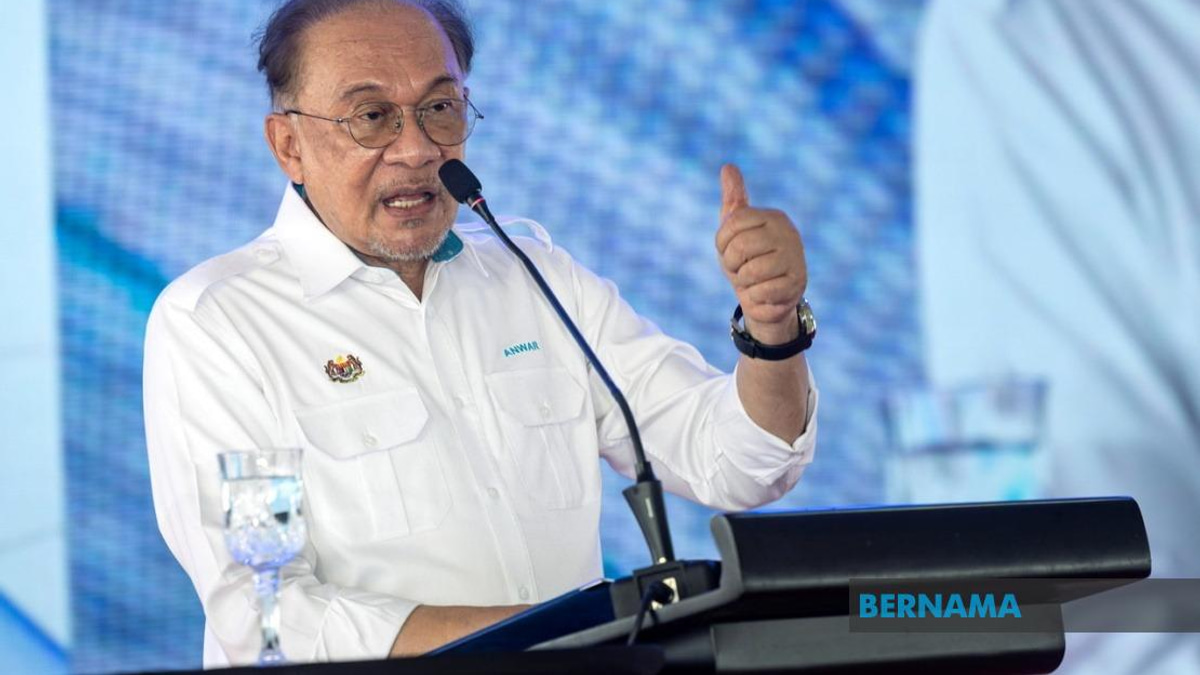
Prime Minister Datuk Seri Anwar Ibrahim has already signalled optimism about the negotiations, viewing the peace MoU as a potential cornerstone for broader Middle Eastern stability. The two nations have been given a 60-day window to finalise a comprehensive agreement, leaving room for negotiation but also imposing a definitive deadline. Malaysia's leadership has positioned itself as a voice for pragmatic engagement, recognising both the humanitarian imperative for peace and the tangible economic benefits such an outcome would yield for trading nations reliant on unimpeded shipping and predictable energy costs.
Malaysia faces particular vulnerability to oil price volatility and supply disruptions given its dependence on imported energy and its role as a transit and trading hub. The government has already deployed several measures to buffer citizens from the worst effects of recent pressures. The subsidised price of RON95 petrol remains frozen at RM1.99 per litre, a policy that distinguishes Malaysia from many regional and global peers who have allowed fuel prices to rise with market conditions. This intervention represents a deliberate choice to absorb costs rather than pass them directly to motorists and businesses.
Beyond this headline subsidy, the government operates the BUDI MADANI RON95 scheme, which provides targeted assistance to lower-income Malaysians through a 200-litre monthly quota. This programme represents a more sophisticated approach to subsidy than blanket price controls, directing resources to those most vulnerable to energy cost shocks. Muhammad Kamil indicated that the government intends to reassess the quota structure in coming months, suggesting potential adjustments based on whether oil markets genuinely stabilise or remain volatile. Any expansion would likely depend on clearer evidence that the US-Iran agreement is holding and producing the anticipated moderation in global prices.
The four to six month window Muhammad Kamil highlighted mirrors the timeline for the US-Iran negotiations to conclude and for their effects to transmit through global supply chains. During this transition period, the government through its Economic Action Council will monitor conditions and adjust policy instruments as needed to prevent ordinary Malaysians from experiencing further hardship. This suggests a willingness to maintain protective measures if circumstances warrant, rather than automatically relaxing them once a peace agreement is signed.
Parallel to these energy market considerations, Malaysia is pursuing diversification of its energy partnerships and resources. Prime Minister Anwar's planned official visit to Russia represents a deliberate strategic recalibration. Muhammad Kamil framed this as an effort to strengthen bilateral ties in trade, diplomacy, and energy. For a medium-sized trading nation, reducing dependence on any single energy supplier or region enhances resilience and negotiating leverage. Russia's substantial oil and gas resources, combined with its economic potential, present opportunities that Malaysia would be remiss to ignore, particularly as traditional Western suppliers and OPEC producers face their own constraints and competing priorities.
The broader context reveals Malaysia navigating a complex energy landscape where geopolitical tensions, climate transitions, and supply chain vulnerabilities intersect. A US-Iran peace agreement would represent one positive development among several moving parts. However, as Muhammad Kamil's measured comments suggest, officials in Kuala Lumpur remain realistic about the limits of any single breakthrough. Even with improved diplomatic relations in the Middle East, the underlying economics of energy transition, infrastructure investment, and price discovery will continue shaping Malaysia's options and costs for years to come.
For Malaysian businesses and households, the practical implication is cautious optimism tempered with patience. The immediate future likely brings continued volatility rather than sudden relief. Government subsidies and targeted programmes provide a cushion, but they cannot eliminate the fundamental exposure to global energy markets. What the US-Iran peace agreement could genuinely offer is a reduction in the risk premium currently embedded in energy prices—a removal of the chaos factor that has inflated costs across the supply chain. Over months and quarters, this normalisation could translate into meaningful if modest relief, particularly for sectors like transportation and manufacturing where fuel represents a substantial input cost.

%22%2F%3E%3C%2Fpattern%3E%3C%2Fdefs%3E%3Crect%20width%3D%22100%25%22%20height%3D%22100%25%22%20fill%3D%22url(%23ph523ndg)%22%2F%3E%3Crect%20width%3D%22100%25%22%20height%3D%22100%25%22%20fill%3D%22url(%23ph523ndp)%22%2F%3E%3Ctext%20x%3D%2250%25%22%20y%3D%2250%25%22%20text-anchor%3D%22middle%22%20dominant-baseline%3D%22central%22%20fill%3D%22rgba(255%2C255%2C255%2C0.95)%22%20font-family%3D%22Georgia%2C%20'Times%20New%20Roman'%2C%20serif%22%20font-weight%3D%22700%22%20font-size%3D%22272%22%20letter-spacing%3D%22-0.02em%22%3EAnwar%3C%2Ftext%3E%3C%2Fsvg%3E)