Prospective students from low-income families should not hastily reject university admission offers due to financial hardship, according to officials at Universiti Teknologi MARA's Kelantan branch. The institution has moved to reassure applicants that multiple avenues of financial and welfare support exist to help defray the costs of tertiary education, making studies more accessible than many families may assume. This message comes at a time when competition for places in Malaysia's public universities remains fierce, with successful candidates increasingly unable to afford attendance.
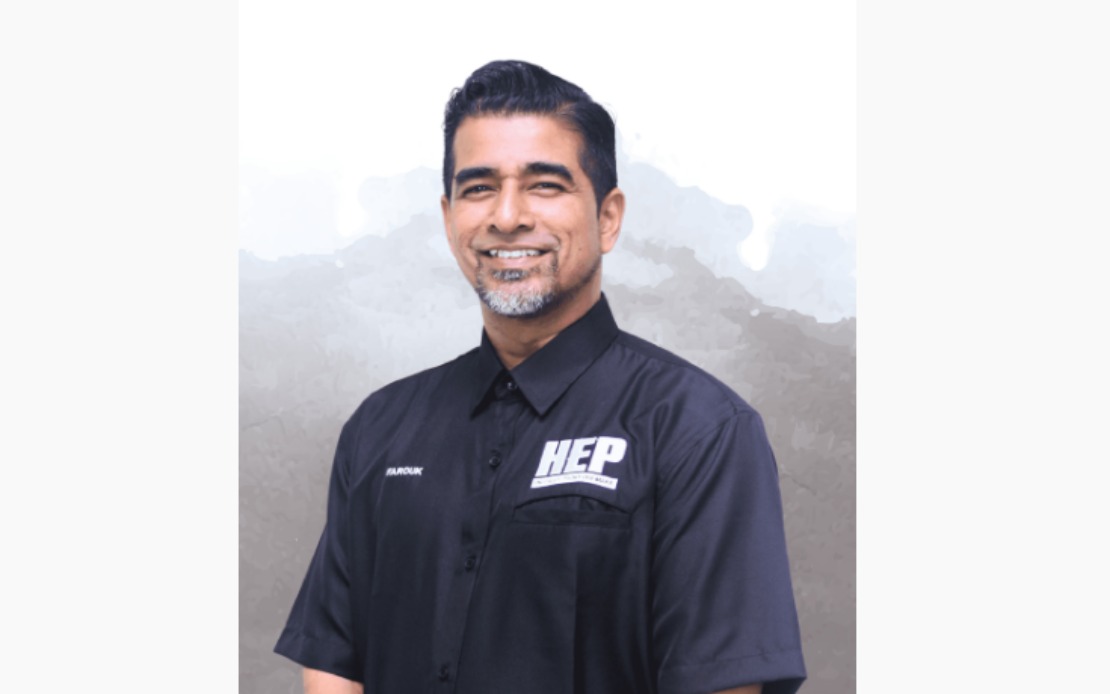
Meer Zhar Farouk Amir Razli, Deputy Rector for Student Affairs at UiTM Kelantan, outlined the range of assistance mechanisms available beyond traditional loan schemes. While the National Higher Education Fund Corporation (PTPTN) remains a conventional financing option, the university operates parallel schemes including zakat-based assistance specifically designed for Muslim students facing economic constraints. These complementary pathways ensure that financial circumstances alone need not become a barrier to higher education, provided families investigate what support they qualify for before making their decision.
Among the university's most tangible welfare initiatives is the Dapur MADANI programme, administered through student residential colleges across the campus. This scheme directly tackles one of the most burdensome aspects of university life for disadvantaged students—the daily costs of feeding and housing themselves while pursuing their studies. By providing subsidised meals and living facilities, the programme significantly reduces the out-of-pocket expenses families must cover, allowing students to concentrate on their academic work rather than securing their immediate material needs.
The appeal to families reflects broader institutional concern that qualified candidates from poorer backgrounds may be forgoing educational advancement unnecessarily. In the Malaysian context, where tertiary education credentials increasingly determine career prospects and earning potential, such self-exclusion carries long-term consequences not only for individual students but for the nation's capacity to develop talent across all socioeconomic strata. UiTM Kelantan's outreach aims to reverse this trend by making the total cost of study—after accounting for all available assistance—more transparent and manageable.
The university has coupled its advocacy with practical action through the Rector's Cakna Programme, a community engagement initiative developed in partnership with local non-governmental organisations. This scheme provides direct material support to newly admitted students from disadvantaged backgrounds, beginning their university journey with immediate assistance that signals institutional commitment to their success. The programme recognises that first-semester costs often present the steepest barrier, as families must simultaneously manage accommodation setup, course materials, and living expenses.
Norzarra Dhania Amir Abdullah exemplifies the circumstances many low-income families face. The nineteen-year-old was previously offered a place at UiTM's Sarawak campus but reluctantly declined because her family lacked the resources to support her relocation. As the eldest of seven children, she carries implicit responsibility for family stability at a time when her parents' earning capacity has been severely compromised. Her father's struggle with diabetes has reduced her family to dependence on her mother's modest income from restaurant work, a precarious financial foundation that would strain to support an absent student.
Yet Norzarra Dhania's story illustrates the shifting possibilities when geographic and financial circumstances align more favourably. Her subsequent admission to UiTM Kelantan removed the relocation expense burden, bringing tertiary education within what her family could manage with university support. More importantly, remaining within Kelantan allows her to potentially contribute to household responsibilities while studying, a consideration often overlooked in discussions of access to higher education. Her pursuit of a Diploma in Management at the Kelantan campus transforms what seemed an impossible aspiration into a realistic pathway.
The presentation of a laptop to Norzarra Dhania at her home in Jalan Kebun Sultan represents the tangible nature of the institution's backing. Such devices have become essential for university-level study, particularly following the normalisation of blended learning across Malaysian campuses. Without this contribution, her family would have faced an additional and substantial expense that might have derailed her enrolment despite the admission offer. The gesture signals that UiTM Kelantan's commitment extends beyond rhetorical encouragement into material provisions that address concrete barriers.
For Malaysian families navigating the tertiary education system, the message from UiTM Kelantan carries significant weight. The institution's transparency about available support mechanisms—zakat funds, welfare allocations, Dapur MADANI provisions, and equipment assistance—provides a corrective to assumptions that university attendance automatically requires unaffordable out-of-pocket expenditure. Many families likely underestimate both the magnitude of institutional support and the eligibility criteria they may satisfy, inadvertently excluding themselves from educational opportunities.
The emphasis on seeking information before rejecting offers speaks to a practical communication gap. Students and parents from less educated backgrounds may lack familiarity with university administrative structures and support systems, making them vulnerable to Type II errors where they reject opportunities due to incomplete information. UiTM Kelantan's approach of actively engaging with applicants and their families, including outreach through local NGOs, attempts to bridge this information asymmetry.
From a broader Malaysian perspective, initiatives like the Rector's Cakna Programme and the Dapur MADANI scheme reflect recognition that access to higher education remains stratified by socioeconomic status despite formal meritocratic admission systems. When capable students decline university places because of poverty, the nation loses human capital development and individuals miss pathways to social mobility. By addressing these barriers with targeted assistance, UiTM Kelantan models how public institutions can operationalise equity principles rather than merely espousing them.
The intensifying competition for places in public universities that Meer Zhar referenced underscores the stakes involved. As demographics and educational expansion create more eligible candidates than available spaces, successful admission becomes increasingly precious. That some of the successful applicants subsequently decline due to financial concerns represents a particular tragedy—they have already demonstrated the academic merit justifying selection, yet institutional barriers prevent them from realising what they have earned. Removing these barriers through comprehensive support aligns institutions' actions with their commitment to national development.