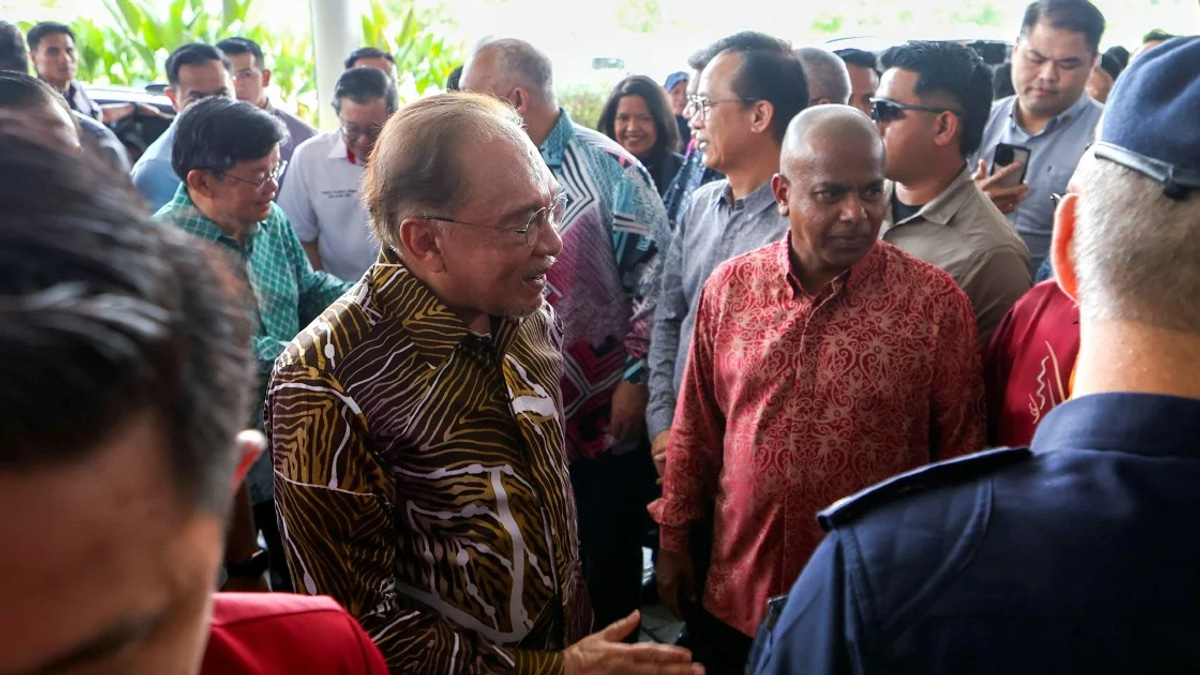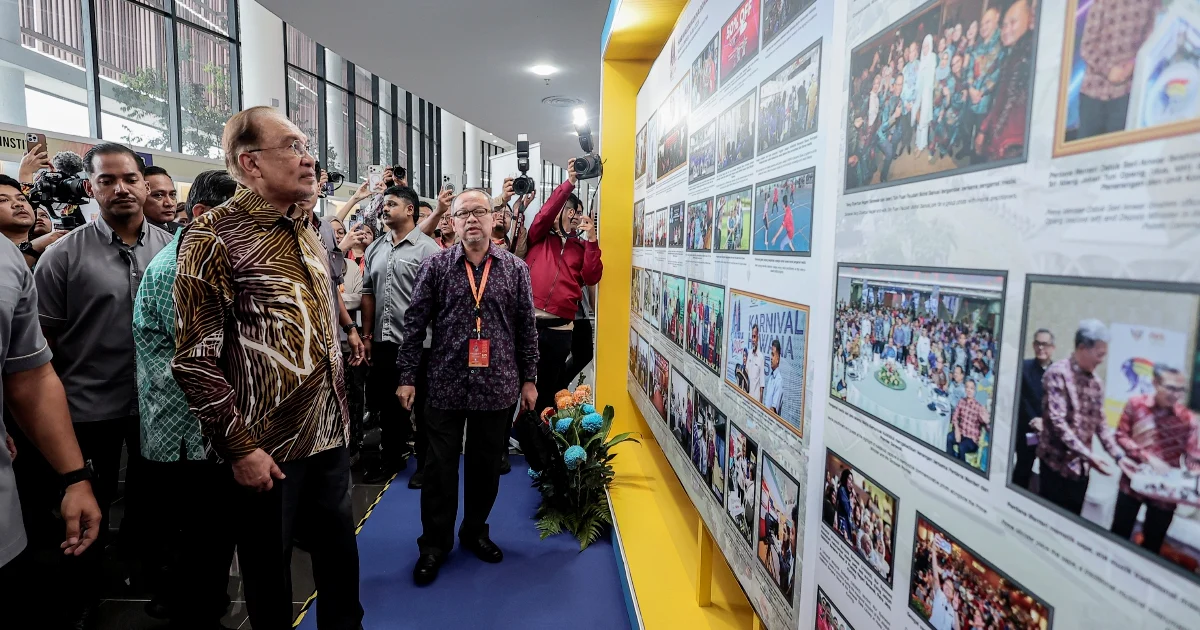
Prime Minister Datuk Seri Anwar Ibrahim has announced a RM1 million government allocation directed toward Tabung Kasih@Hawana 2026, a welfare support mechanism designed to strengthen the financial security of journalists across Malaysia. The commitment, unveiled during a gathering in Permatang Pauh, underscores the administration's growing emphasis on improving conditions within the news industry at a time when media organisations face mounting operational pressures and workforce challenges.
The allocation represents a tangible acknowledgement of the difficulties facing journalism professionals in Malaysia, where economic constraints and industry consolidation have squeezed wages and employment stability. By channelling government resources into a dedicated welfare fund, the administration signals recognition that sustainable media requires investment in human capital. Journalists often operate on modest salaries whilst facing demanding deadlines, and welfare schemes can provide crucial relief during periods of job transition, illness, or family hardship.
Tabung Kasih@Hawana 2026 operates within the broader framework of the Hawana initiative, which encompasses multiple dimensions of media sector reform. Rather than viewing press support as a narrow subsidy, the government is positioning welfare expenditure as part of a comprehensive modernisation strategy designed to attract talent into journalism, retain experienced practitioners, and foster professional standards. This approach reflects international best practices in several established democracies where governments recognise that healthy journalism requires structural support beyond advertising revenue and subscription models.
The timing of this announcement carries particular significance given Malaysia's digital transformation agenda. As newsrooms transition toward multimedia production, data journalism, and platform-diverse distribution, the skill requirements for journalists have expanded considerably. Investment in welfare can help retain experienced staff during this transition period and provide resources for upskilling initiatives. Younger journalists entering the profession can pursue careers without excessive financial precarity, potentially improving recruitment and reducing the brain drain that has affected local media in recent years.
Context matters here for understanding Malaysia's media landscape specifically. The country's largest news organisations have undergone significant restructuring during the past decade, with staff reductions and wage pressures becoming routine during economic downturns. Unlike some neighbouring countries, Malaysia has limited institutional safety nets for media professionals, making government-backed welfare funds particularly valuable. Such initiatives can bridge gaps that private sector benefits and union protections alone cannot adequately cover.
Prime Minister Anwar's commitment extends beyond the immediate financial allocation. His statement emphasises the government's intention to pursue sustained initiatives aimed at industry transformation, suggesting that this RM1 million represents an initial commitment rather than a standalone gesture. This framing implies potential for larger or expanded programmes if pilot outcomes prove successful, creating momentum for longer-term policy development. Such consistency in messaging can help media organisations plan workforce strategies with greater confidence about government support continuity.
For journalists themselves, welfare funds address several practical concerns. Medical emergencies, dependent education expenses, and transition support during unemployment periods all impose significant burdens on individual practitioners. Centralised assistance mechanisms reduce administrative friction compared to organisation-by-organisation approaches and ensure equitable access regardless of employer size. A freelancer operating independently gains the same potential benefits as a correspondent employed by a major newsroom, democratising access to support services.
The broader policy implications extend to press freedom and editorial independence considerations. International media freedom advocates have sometimes expressed concern that state funding creates incentives for self-censorship or editorial accommodation. However, welfare support differs fundamentally from revenue subsidies or direct editorial funding. By improving journalists' basic economic security rather than financing news production directly, governments can reduce financial desperation that sometimes leads to compromised practices whilst maintaining clear separation between support services and editorial decisions.
Southeast Asian media ecosystems face common challenges around sustainability, talent retention, and professional standards. Malaysia's Hawana initiative may serve as a model for neighbouring countries considering similar approaches. Singapore's MediaCorp, Thailand's public broadcasters, and Indonesia's larger media groups all grapple with comparable workforce pressures. Evidence from Malaysia's experience with welfare fund allocation could inform regional discussions about optimal structures for supporting journalism professionals within market economies.
Looking forward, the success of this initiative will likely depend on implementation mechanisms and transparency. Clear eligibility criteria, efficient application processes, and genuine accessibility matter more than nominal fund size. Journalists must perceive the system as responsive and equitable rather than bureaucratic or arbitrary. Additionally, the fund's operations should be monitored independently to ensure it achieves intended outcomes and informs future policy adjustments.
The government's commitment also reflects recognition that journalism functions as a public good with social value extending beyond commercial viability. Professional news gathering requires investment in research, verification, and investigative work that cannot always generate immediate revenue. By supporting practitioners economically, the state indirectly invests in information quality and accountability mechanisms that benefit democratic functioning and public discourse.
This announcement arrives amid broader conversations about media's role in Malaysia's development trajectory. As the country pursues high-income nation status and digital economy goals, reliable information infrastructure becomes increasingly important. Journalists who feel economically secure are more likely to pursue rigorous reporting, develop deep expertise, and resist compromises that undermine credibility. Investing in journalist welfare thus represents an investment in Malaysia's information ecosystem maturity and long-term institutional capacity.
The RM1 million allocation, whilst significant in symbolic terms, will require complementary initiatives to fully address industry challenges. Sustainable journalism also demands viable business models, digital capability development, and competitive compensation structures. Government welfare support works most effectively as part of broader ecosystem transformation rather than as a standalone intervention, and Prime Minister Anwar's framing of this commitment within the larger Hawana framework suggests awareness of these broader dynamics.