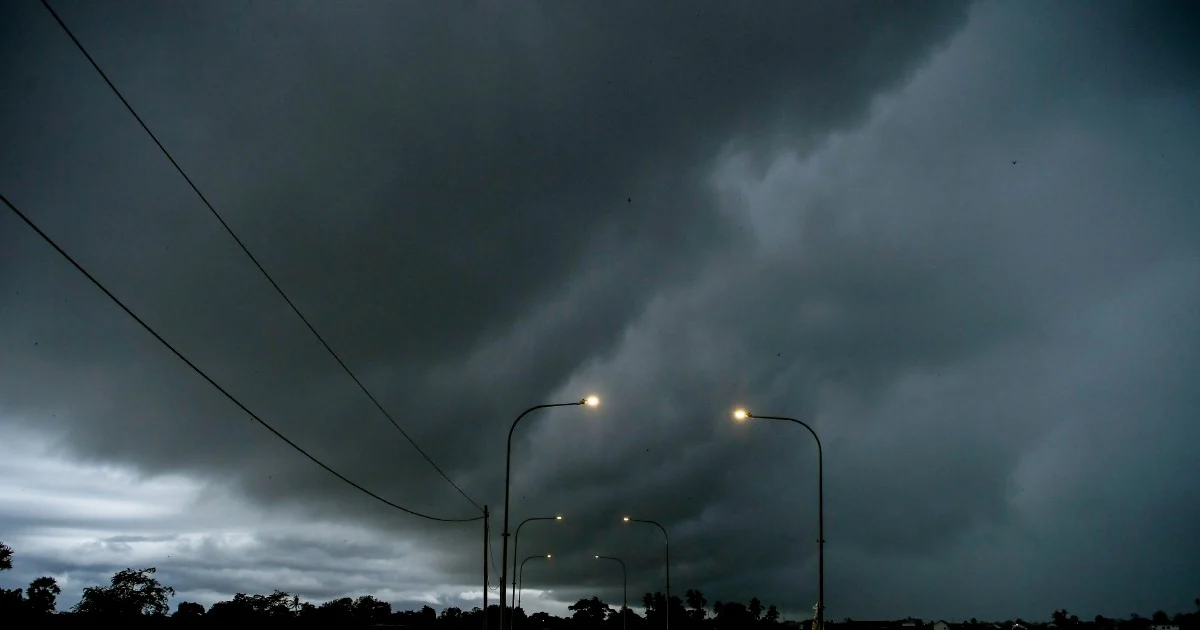
The Malaysian Meteorological Department has activated a comprehensive weather alert across multiple regions, cautioning residents to prepare for severe thunderstorms accompanied by intense rainfall and gusty winds through the late afternoon. The alert encompasses affected zones spanning the Malaysian peninsula as well as the East Malaysian states, signalling the development of unstable atmospheric conditions typical of the monsoon transition period.
MetMalaysia's advisory underscores the unpredictable nature of tropical weather systems that frequently sweep through the region, particularly during seasonal transitions when temperature differentials between land and sea create conducive environments for convective activity. The department's decision to maintain the warning through 5pm indicates meteorologists are tracking an organised system rather than isolated thundercells, suggesting sustained rainfall rates across the warned areas.
For commuters and outdoor workers, the timing of the alert carries particular significance as it brackets the late afternoon and early evening period when visibility deteriorates alongside precipitation intensity. Flash flood risks typically intensify during this window, especially in low-lying zones, drainage-prone areas, and urban regions where infrastructure may struggle with sudden water accumulation. Residents familiar with Malaysia's weather patterns recognise that seemingly brief thunderstorm episodes can deliver rainfall volumes exceeding 50mm within short timeframes, creating hazardous conditions on roadways and in commercial districts.
The geographical spread of the warning—encompassing Peninsular Malaysia while simultaneously affecting Sabah and Sarawak—demonstrates the scale of the atmospheric disturbance driving this forecast. Rather than a localised event confined to one or two states, meteorologists are observing synoptic-scale features that cross maritime boundaries, reflecting moisture-laden wind flows and pressure systems influencing the entire Malaysian region. This nationwide scope necessitates coordinated responses from multiple state authorities responsible for flood response, traffic management, and public safety protocols.
Businesses and public institutions across warned areas face operational disruptions ranging from transport delays to supply chain interruptions. Shopping centres, industrial parks, and commercial establishments in exposed locations may experience visitor reductions as people defer non-essential outings. Schools and government offices operating beyond standard hours should assess whether outdoor activities remain viable or require indoor relocation, recognising that thunderstorm conditions generate lightning hazards alongside precipitation threats.
For maritime operators including fishing communities and port facilities, thunderstorm warnings trigger established safety procedures requiring vessels to seek shelter and suspend operations during peak intensity periods. Coastal states in both Peninsular Malaysia and East Malaysia maintain heightened vigilance when such warnings activate, as rapid wind escalation presents capsizing risks and navigation hazards for small craft operating in territorial waters.
Agricultural sectors stand to experience mixed impacts from the forecasted rainfall. While crops and plantation areas benefit from precipitation, excessive downpours concentrated within brief periods can trigger soil erosion, waterlogging, and damage to produce awaiting harvest. Farmers with time-sensitive agricultural activities may need to accelerate or defer operations based on the storm's progression and intensity patterns.
The 5pm deadline provides a temporal boundary for planning purposes, though residents should exercise caution recognising that actual conditions may persist beyond official alert termination times. Isolated thunderstorms often regenerate across different zones sequentially as systems move and evolve, meaning some areas might experience renewed activity extending into early evening hours despite the formal warning's expiration.
Public agencies including the Fire and Rescue Department maintain readiness to respond to flood emergencies, road accidents triggered by poor visibility, and infrastructure damage resulting from strong winds. Residents are encouraged to monitor weather updates through official MetMalaysia channels and local media rather than relying on informal sources, ensuring access to the most current and accurate forecasting information as conditions develop throughout the afternoon.
Given Malaysia's vulnerability to flash flooding and the rapid intensification potential of tropical thunderstorms, taking the meteorological department's advisory seriously remains prudent. Securing loose outdoor items, ensuring drainage pathways remain unobstructed, and planning alternative routes for essential travel represent straightforward precautions maximising safety during the warned period.

%22%2F%3E%3C%2Fpattern%3E%3C%2Fdefs%3E%3Crect%20width%3D%22100%25%22%20height%3D%22100%25%22%20fill%3D%22url(%23ph523ndg)%22%2F%3E%3Crect%20width%3D%22100%25%22%20height%3D%22100%25%22%20fill%3D%22url(%23ph523ndp)%22%2F%3E%3Ctext%20x%3D%2250%25%22%20y%3D%2250%25%22%20text-anchor%3D%22middle%22%20dominant-baseline%3D%22central%22%20fill%3D%22rgba(255%2C255%2C255%2C0.95)%22%20font-family%3D%22Georgia%2C%20'Times%20New%20Roman'%2C%20serif%22%20font-weight%3D%22700%22%20font-size%3D%22272%22%20letter-spacing%3D%22-0.02em%22%3EAnwar%3C%2Ftext%3E%3C%2Fsvg%3E)