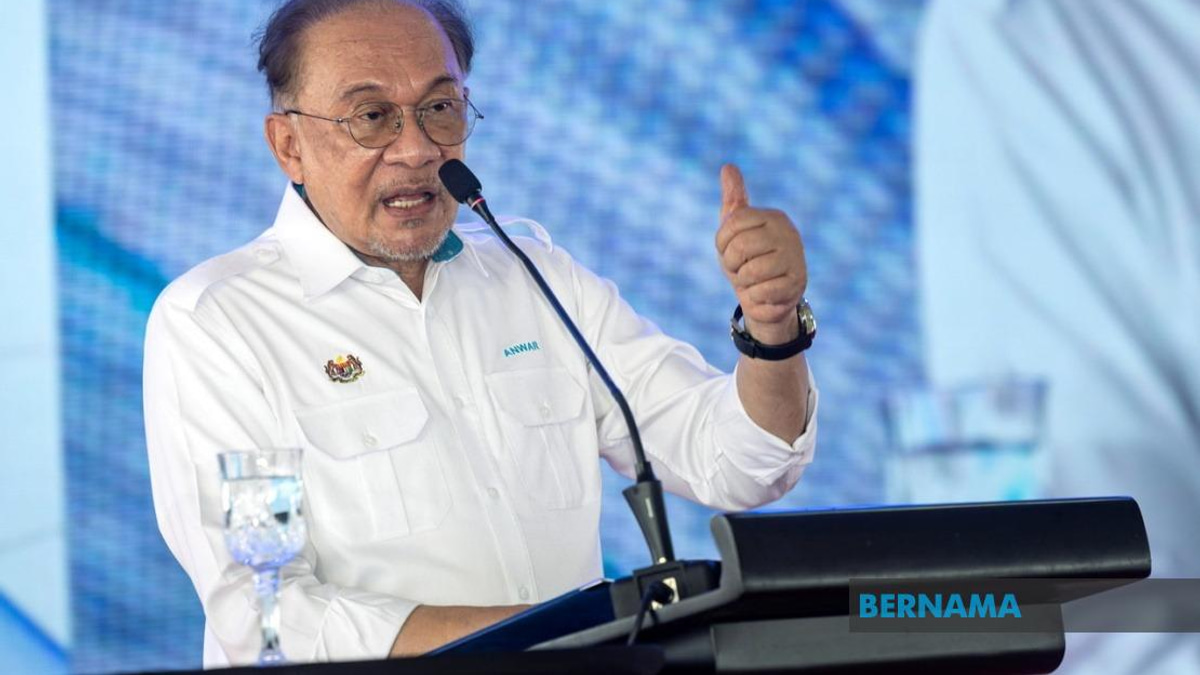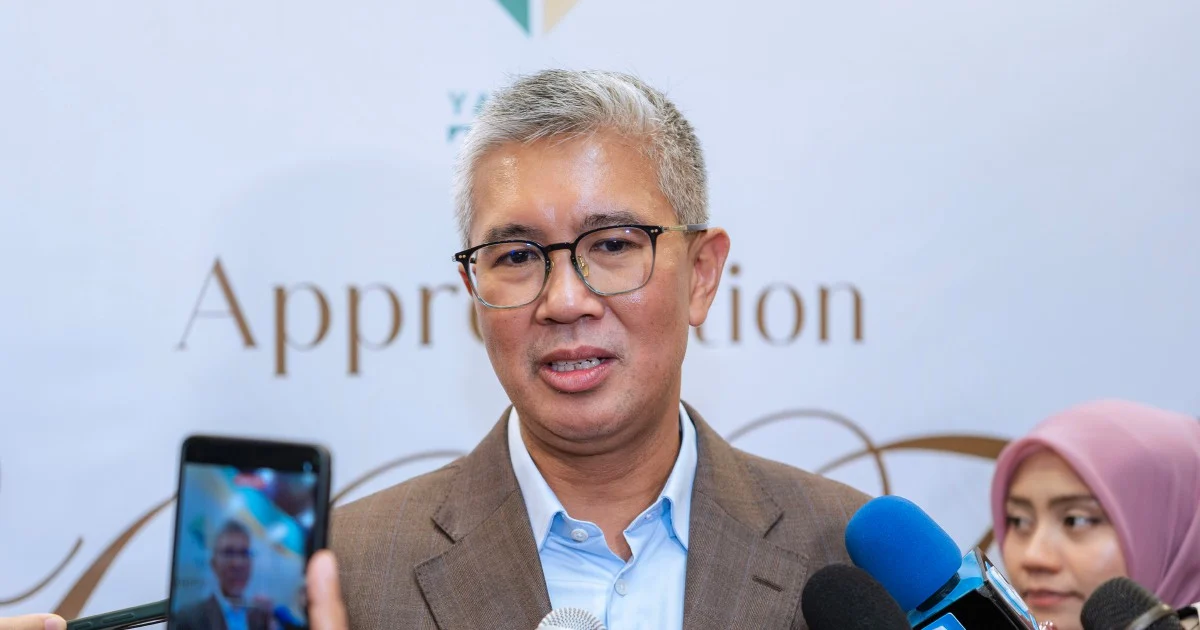
Tengku Datuk Seri Zafrul Tengku Abdul Aziz, who serves as a senior political adviser in the Prime Minister's office, has made a formal proposal to stand as a candidate in Selangor for the 16th General Election. The move marks a potential shift toward more direct electoral involvement for the high-ranking government official, stepping from advisory roles into the competitive arena of parliamentary politics.
The proposal carries significance given Zafrul's elevated position within the government hierarchy and his proximity to the Prime Minister. Such a transition from backroom policy influence to frontline electoral candidacy reflects a broader pattern observed in Malaysian politics, where senior advisers and technocrats frequently transition into elected office to consolidate political power and secure legislative representation. The timing of the announcement also suggests strategic positioning ahead of what is expected to be a closely contested general election.
Selangor, as Malaysia's most populous state and an economic powerhouse, holds particular importance in any national electoral contest. Whichever coalition controls significant representation in the state often influences the overall parliamentary balance. The state has been a battleground between competing political coalitions in recent election cycles, making it an attractive target for political figures seeking to strengthen their party's position. Zafrul's candidacy proposal in Selangor underscores the state's continued centrality to national political calculations.
The announcement raises questions about which constituency Zafrul might contest and how his entry into the electoral fray will reshape competition in Selangor. As a figure with established governmental connections and influence, he would represent a different category of candidate compared to grassroots political organisers. His background and position suggest he may attract backing from the central party machinery, potentially challenging existing incumbents or contesting in marginal seats deemed winnable for the government.
Zafrul's background and previous roles have positioned him as someone with technical expertise and administrative experience. Such profiles have become increasingly prominent in Malaysian politics, particularly within coalitions seeking to project competence and modern governance credentials. His entry into electoral politics represents an investment by the government in placing trusted advisers directly into Parliament, where they can influence legislative processes and committee work.
The proposal also reflects the evolving nature of Malaysian political recruitment, where individuals serving in appointed capacities within the executive branch increasingly seek electoral mandates. This pattern has accelerated in recent years as governments recognise the value of placing proven administrators and strategists into Parliament. However, such moves can also be viewed by voters as emblematic of a political establishment seeking to consolidate power through institutional mechanisms rather than organic grassroots mobilisation.
For the Prime Minister's office specifically, placing trusted advisers in Parliament serves multiple strategic purposes. It ensures continuity between executive planning and legislative implementation, strengthens the ruling coalition's parliamentary numbers, and creates multiple channels for policy development. Zafrul's presence in Selangor would substantially amplify the government's representation in the state, particularly if he secures a seat in an important constituency.
The political dynamics in Selangor have shifted considerably in recent election cycles, with voter preferences proving volatile and complex. The state encompasses diverse demographics ranging from urban professionals in Klang Valley to rural communities in districts like Sepang and Hulu Selangor. Zafrul's candidacy proposal will ultimately need to navigate these varied constituencies and their distinct concerns. His governmental profile may resonate with urban, development-oriented voters while potentially raising questions among communities prioritising direct grassroots representation.
The formal nature of the proposal suggests that party structures are already considering Zafrul's placement, though final candidacy decisions typically involve consultation between central party leadership and state-level organisations. The acceptance or progression of such proposals depends on various factors, including party dynamics, existing seat allocations among coalition partners if applicable, and electoral strategy assessments for individual constituencies.
Zafrul's move occurs within a broader context of political repositioning ahead of GE16. Multiple senior figures across different parties are signalling their intentions regarding electoral participation, creating a fluid and competitive political environment. The candidacy proposals emerging from various quarters suggest intense competition for attractive seats, particularly in economically significant states like Selangor where electoral outcomes carry implications beyond state-level politics.
For Malaysian voters and observers, Zafrul's proposal represents an opportunity to assess how technocratic and administrative expertise will be presented within electoral campaigns. The extent to which his governmental record and policy contributions become central to campaign messaging will likely indicate how Malaysian politics continues to balance institutional competence arguments against other electoral considerations that motivate voter choice in practice.

%22%2F%3E%3C%2Fpattern%3E%3C%2Fdefs%3E%3Crect%20width%3D%22100%25%22%20height%3D%22100%25%22%20fill%3D%22url(%23ph523ndg)%22%2F%3E%3Crect%20width%3D%22100%25%22%20height%3D%22100%25%22%20fill%3D%22url(%23ph523ndp)%22%2F%3E%3Ctext%20x%3D%2250%25%22%20y%3D%2250%25%22%20text-anchor%3D%22middle%22%20dominant-baseline%3D%22central%22%20fill%3D%22rgba(255%2C255%2C255%2C0.95)%22%20font-family%3D%22Georgia%2C%20'Times%20New%20Roman'%2C%20serif%22%20font-weight%3D%22700%22%20font-size%3D%22272%22%20letter-spacing%3D%22-0.02em%22%3EAnwar%3C%2Ftext%3E%3C%2Fsvg%3E)