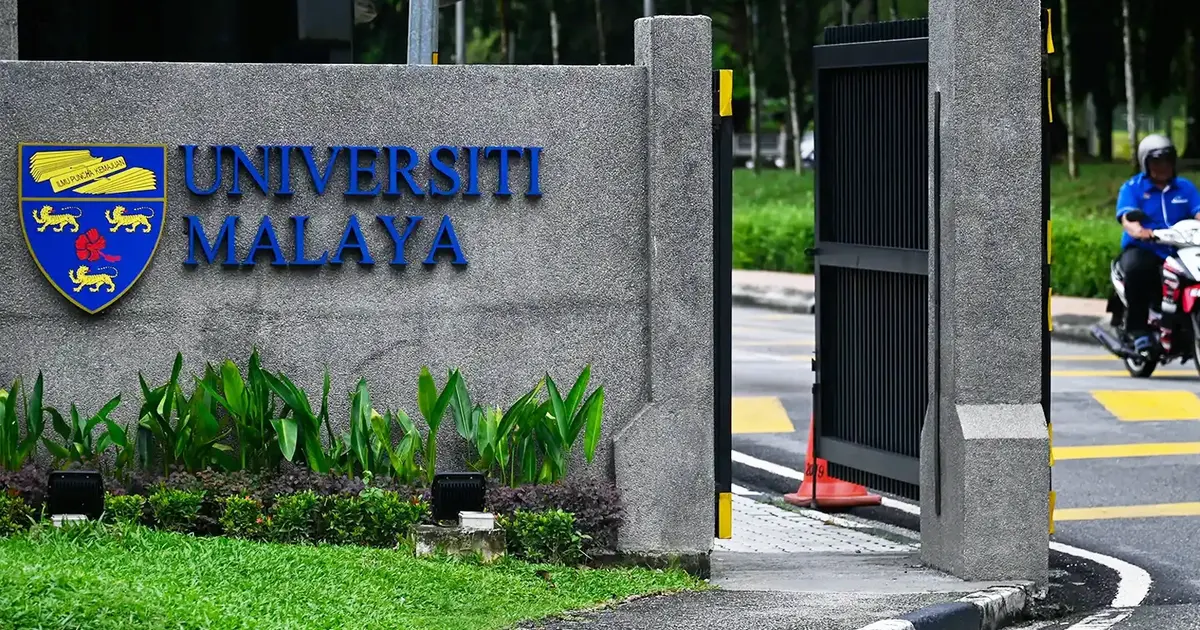
The University of Malaya faces mounting pressure to release results from a high-profile sexual harassment investigation into one of its professors, with student activists highlighting what they describe as an unacceptable delay in providing closure to the university community. NewGen UM, a student-led advocacy organisation focused on governance and accountability issues, has publicly demanded that the institution fulfil its commitment to transparency regarding an inquiry that officials said was approaching its final phase as recently as last September.
The timing of the call for answers underscores broader concerns about how Malaysian universities handle misconduct allegations involving senior staff members. Sexual harassment complaints have become an increasingly visible issue within higher education institutions across the region, with questions mounting about whether internal investigations possess sufficient independence, rigour, and timely execution. University of Malaya, as the nation's oldest and most prestigious tertiary institution, operates under particular scrutiny given its role as a model for academic governance standards.
NewGen UM's intervention represents a significant moment in campus activism, demonstrating how student organisations are leveraging their collective voice to demand institutional accountability. Rather than accepting passive communication channels, the group has adopted a public strategy to maintain pressure on university leadership, suggesting that previous private appeals for progress updates have yielded insufficient results. This escalation reflects a broader shift in how younger Malaysians engage with power structures, moving beyond formal grievance mechanisms toward transparent community advocacy.
The lack of public disclosure about investigation timelines raises questions about procedural standards in university disciplinary processes. When institutions provide initial progress updates, stakeholders naturally expect regular follow-ups until completion. The gap between September's assurance of finalisation and the current moment without announced outcomes creates a vacuum that invites speculation and erodes public confidence in the university's commitment to addressing serious misconduct allegations systematically.
For affected individuals—whether the complainant, the accused professor, or other stakeholders in this matter—the extended uncertainty represents genuine hardship. Complainants in harassment cases typically seek both acknowledgment of their experiences and confidence that institutional safeguards exist for future protection. Similarly, individuals facing allegations require clarity about outcomes and the opportunity to clear their names or accept consequences. This limbo serves no party fairly and suggests possible complications in the investigative process that the university should address openly rather than leaving observers in darkness.
The silence also carries implications for broader campus safety culture. When investigations drag on without public updates, students may perceive that the university prioritises protecting its institutional reputation over supporting survivors or maintaining ethical standards. This perception, regardless of investigation complexity, undermines preventative measures and discourages future reporting of misconduct. A transparent process that acknowledges investigation stages, even when final conclusions remain pending, demonstrates institutional seriousness about addressing harassment comprehensively.
University of Malaya's administration must recognise that accountability transcends the specific case at hand. As Malaysia develops more sophisticated conversations about workplace safety and campus culture, how established institutions manage high-profile investigations sets precedents for the entire sector. Smaller universities and public institutions watch flagship institutions like UM to understand expected standards for transparency and timeliness in misconduct proceedings.
The student group's demand also reflects changing generational expectations about institutional behaviour. Contemporary Malaysian university students increasingly question traditional hierarchies and demand that leaders demonstrate commitments through concrete action rather than mere statements. For university administration to retain credibility with this demographic, responsiveness to accountability demands has become essential, not optional. Dismissing calls for transparency risks deepening disconnection between leadership and the student body it serves.
Moving forward, the University of Malaya should prioritise releasing a comprehensive statement addressing the investigation's current status. Whether the inquiry requires additional time due to complexity, competing procedural requirements, or other legitimate factors, silence breeds distrust more effectively than honest explanation. The institution has an opportunity to demonstrate that even sensitive matters can be handled with both fairness to all involved and transparency to the community. Establishing clear timelines for announcement, explaining any extensions, and committing to specific disclosure dates would substantially restore confidence in university governance.
For student activists and the broader Malaysian higher education ecosystem, this moment represents a test case for institutional responsiveness. NewGen UM's public advocacy illustrates how sustained pressure from organised constituencies can push universities toward greater openness. As similar questions arise across Malaysian campuses regarding misconduct investigations, how the University of Malaya responds to current demands will influence whether future activism succeeds in securing transparency or faces stonewalling from entrenched administrative structures.

%22%2F%3E%3C%2Fpattern%3E%3C%2Fdefs%3E%3Crect%20width%3D%22100%25%22%20height%3D%22100%25%22%20fill%3D%22url(%23ph523ndg)%22%2F%3E%3Crect%20width%3D%22100%25%22%20height%3D%22100%25%22%20fill%3D%22url(%23ph523ndp)%22%2F%3E%3Ctext%20x%3D%2250%25%22%20y%3D%2250%25%22%20text-anchor%3D%22middle%22%20dominant-baseline%3D%22central%22%20fill%3D%22rgba(255%2C255%2C255%2C0.95)%22%20font-family%3D%22Georgia%2C%20'Times%20New%20Roman'%2C%20serif%22%20font-weight%3D%22700%22%20font-size%3D%22272%22%20letter-spacing%3D%22-0.02em%22%3EAnwar%3C%2Ftext%3E%3C%2Fsvg%3E)