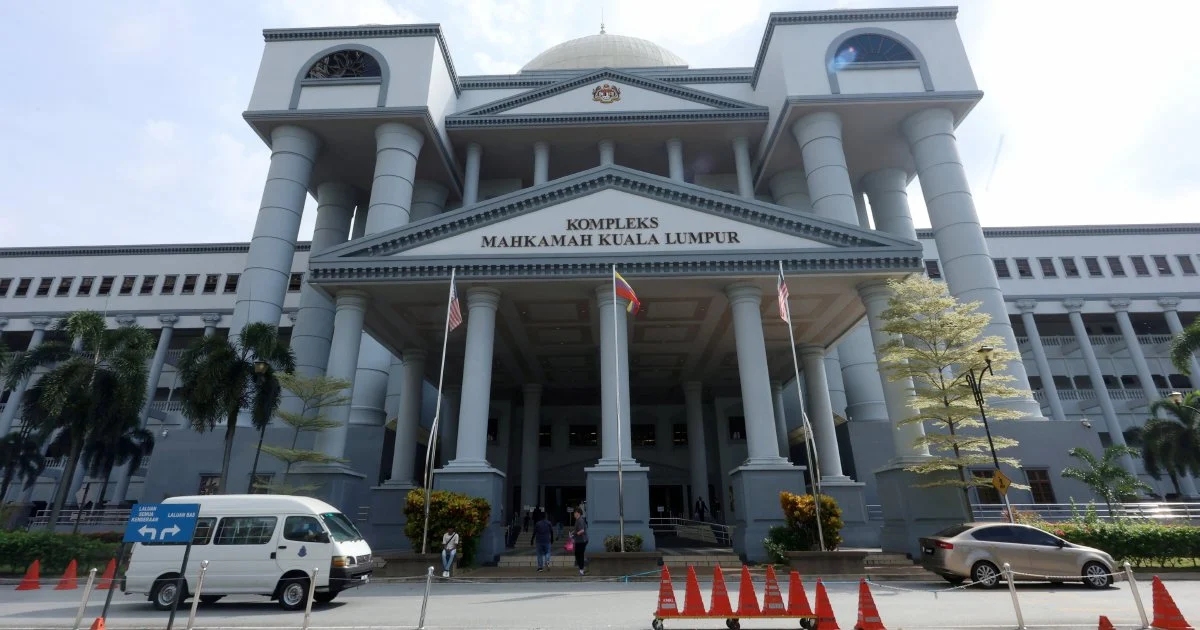
A high-ranking executive from a Malaysian statutory body is expected to appear in Sessions Court to face multiple corruption charges stemming from what authorities allege is a scheme involving the solicitation and acceptance of bribes totalling more than RM1 million. The case marks another significant enforcement action by Malaysia's anti-corruption apparatus against senior management within government-linked entities, underscoring ongoing efforts to maintain integrity within the public sector despite persistent challenges.
The charges relate specifically to sports facilities infrastructure, suggesting a pattern of misconduct that may have compromised the allocation of public resources intended for recreational development. The involvement of a chief executive officer, a position typically vested with substantial decision-making authority over budgeting and procurement matters, raises questions about internal oversight mechanisms within statutory bodies and the effectiveness of existing compliance frameworks. Such cases involving senior officials frequently attract considerable public attention as they reflect directly on the governance standards expected of those entrusted with public resources.
The scale of the alleged bribery—exceeding RM1 million—indicates a systematic rather than isolated incident of impropriety. This magnitude suggests potential involvement of multiple parties, contractors, or intermediaries, though the charges appear focused primarily on the chief executive's role in soliciting and receiving these payments. The involvement of sports facilities as the subject matter is noteworthy, as this sector has periodically become the focus of governance scrutiny across various Southeast Asian jurisdictions.
Statutory bodies in Malaysia operate with considerable operational independence while remaining accountable to their respective parent ministries and ultimately to the government. These organizations manage substantial budgets and oversee significant public projects, making them susceptible to corruption if internal controls are inadequate or leadership integrity is compromised. The case highlights the vulnerability of procurement processes, particularly where discretionary authority remains concentrated among senior executives without robust checks and balances.
Anti-corruption enforcement in Malaysia has demonstrated renewed momentum in recent years, with the Malaysian Anti-Corruption Commission prioritizing high-profile cases involving public officials and executives. The prosecution of a chief executive officer sends a powerful message regarding expectations for accountability at senior management levels. However, critics have noted that enforcement often appears episodic rather than systematic, raising questions about whether prosecutions address underlying institutional weaknesses or merely constitute responses to detected infractions.
The sporting infrastructure sector has historically been prone to governance challenges in several Malaysian states and at federal level, with various audits revealing cost overruns, unused facilities, and questionable procurement decisions. Bribery schemes linked to sports development projects potentially undermine the stated objective of building quality recreational infrastructure, redirecting funds toward corrupt transactions rather than physical assets that benefit the public. The underlying motive behind the alleged scheme—whether to enrich the individual official or facilitate preferred contractors—may become clearer during trial proceedings.
For the statutory body involved, the charges likely trigger significant reputational consequences regardless of the ultimate verdict. Such high-profile corruption allegations frequently prompt inquiries into the organization's governance practices, potentially necessitating leadership changes, revised procurement procedures, and enhanced internal auditing. Stakeholder confidence, whether from government oversight bodies, partner organizations, or the public, may be temporarily shaken, requiring deliberate institutional reform efforts to restore credibility.
The implications extend beyond the individual defendant to broader systemic considerations affecting public sector integrity. Statutory bodies employ thousands across Malaysia and collectively manage billions in annual expenditure. Ensuring that these organizations operate free from corrupt influence remains essential for effective public service delivery and appropriate resource allocation. The case demonstrates that legal mechanisms for prosecution exist, though questions persist regarding the adequacy of preventative measures and early-detection systems.
At the regional level, corruption cases involving senior officials within government-linked entities reflect challenges common across Southeast Asia. Malaysia's ranking in international corruption perception indices remains middling, and high-profile prosecutions like this one contribute to either improving or sustaining these assessments depending on the consistency and comprehensiveness of enforcement. The case also illustrates how anti-corruption cooperation between Malaysian authorities and possible international dimensions could potentially arise if cross-border bribery elements are substantiated.
The Sessions Court proceedings will likely attract attention from governance advocates, civil society organizations, and other statutory body leaders concerned with organizational compliance. The specific evidence presented regarding how the alleged bribes were solicited, transmitted, and concealed will provide insights into methodologies that corrupt officials employ and, conversely, the vulnerabilities in existing control systems. These details carry instructional value for other public institutions seeking to strengthen their anti-corruption frameworks and internal audit capabilities.
Looking forward, the outcome of this prosecution may influence how statutory bodies structure their procurement processes and oversight mechanisms. Organizations may opt for increased transparency, segregation of duties among decision-makers, and strengthened whistleblower protections to create environments less conducive to corrupt activity. However, without parallel changes to organizational culture and leadership emphasis on ethical conduct, procedural reforms alone may prove insufficient to address deeper integrity challenges that allow such allegations to emerge.