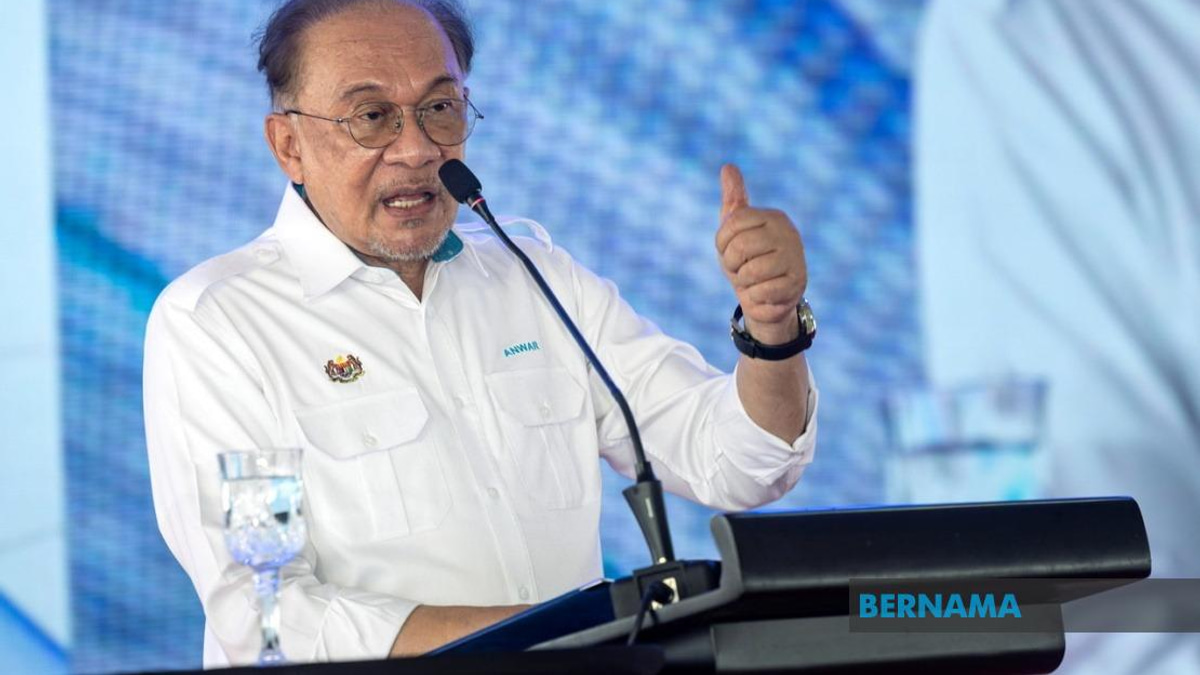
Indonesia's leadership has expressed steadfast belief that the country will successfully maintain its classification as an emerging market when the global index provider MSCI Inc. conducts its next comprehensive review. This reassurance comes despite recent moves by the organisation to tighten its assessment standards, a development that has prompted scrutiny across emerging economies preparing for the evaluation. The statement underscores Jakarta's confidence in the strength of its economic fundamentals and market infrastructure, signalling to international investors that Indonesia remains committed to meeting international financial standards.
The significance of MSCI classification extends beyond symbolic recognition. Emerging market status influences how global fund managers allocate capital across regions, affecting foreign direct investment flows and the cost of borrowing on international capital markets. For Malaysia and other ASEAN members watching Indonesia's trajectory, the outcome carries implications for how the region is perceived by international capital. Should Indonesia retain its designation, it would reinforce the narrative of Southeast Asia as an attractive destination for portfolio investment despite global economic headwinds.
In parallel, Indonesia and Kuwait are deepening their collaboration on energy security matters, responding to persistent uncertainties in global economic conditions and heightened geopolitical tensions. This partnership reflects a broader regional pattern where resource-rich and energy-dependent nations are forging bilateral arrangements to insulate themselves from supply disruptions and price volatility. For Malaysia, which maintains substantial hydrocarbon reserves alongside significant energy consumption, such cooperation models offer lessons in leveraging diplomatic channels to secure long-term energy supplies and negotiate more favourable terms with traditional exporters.
Myanmar's government has signalled its intention to introduce fresh legislative frameworks aimed at safeguarding the country's extensive cultural treasures and ancient monuments from degradation. Officials have also emphasised the need to counteract what they perceive as erosion of traditional values through social media and foreign cultural influences. This policy direction reflects tensions common across Southeast Asia between preservation of heritage and inevitably globalising cultural flows. The approach also highlights concerns about protecting indigenous identity amid rapid digitalisation, a challenge that resonates with cultural debates unfolding in Malaysia and across the region.
Yangon will host the international Day of the Seafarer commemoration on June 25, 2026, positioning maritime employment and seafarer welfare as policy priorities. The event will spotlight career opportunities within the shipping industry and advocate for improved working conditions and professional development pathways for those working at sea. This initiative acknowledges the critical role maritime workers play in regional trade and commerce, particularly vital given ASEAN's dependence on sea routes for goods movement. Enhanced attention to seafarer recruitment and retention can strengthen the region's shipping capacity and competitiveness.
The Philippines has emerged as an unexpected standout performer within the global Muslim-friendly tourism sector, climbing three positions to fifth place among non-Organisation of Islamic Cooperation countries offering Islamic-compliant hospitality and services. This achievement reflects deliberate efforts to market the Philippines' diverse attractions—from cultural sites to natural wonders—to the substantial and growing Muslim tourism demographic across Asia and the Middle East. For Malaysia, which similarly courts this demographic, the Philippines' success underscores the competitive dynamics within Southeast Asia's tourism landscape and the importance of differentiated positioning.
Filipino contemporary art generated strong commercial response during a one-day exhibition held in Bangkok to commemorate the 128th anniversary of Philippine Independence Day. The successful sale-through of artworks signals growing international appetite for Southeast Asian creative output and cultural expression beyond traditional markets. This cultural export momentum mirrors broader regional trends where countries increasingly view creative industries as economic engines alongside traditional sectors.
Singapore's Singapore Civil Defence Force inaugurated a new Marine Division headquarters on Pulau Brani, a four-storey structure equipped with advanced real-time surveillance technology and comprehensive ship rescue training capabilities. The facility represents substantial investment in maritime emergency response infrastructure, addressing Singapore's vulnerability as a densely trafficked shipping hub where incidents at sea demand rapid professional intervention. The opening reflects how regional maritime powers are modernising their emergency response apparatus to manage growing shipping volumes and increasingly complex marine operations.
Prime Minister Lawrence Wong and Turkish President Recep Tayyip Erdogan met in Istanbul on June 19 to reaffirm bilateral relations between Singapore and Turkey. The meeting underscores Singapore's broader strategic engagement beyond Southeast Asia, demonstrating how the city-state cultivates partnerships across continents to diversify trade relationships and diplomatic influence. This engagement pattern offers insights into how smaller developed nations within ASEAN navigate great power competition.
Vietnam's southern Lam Dong province is positioning itself to capture market share within the global halal food sector, leveraging its established strengths in high-technology agriculture and tourism infrastructure. The province's diverse agricultural output—vegetables, flowers, coffee, tea, fruit varieties, and processed foods—can satisfy halal market standards while accessing the substantial purchasing power of Muslim-majority and Muslim-influenced consumer bases across Asia and beyond. This diversification strategy reflects how Southeast Asian agricultural regions are adapting production and certification to reach emerging market segments.
Electric vehicle adoption across Vietnam has reached 374,816 units as of May 2026, with both public and private passenger transport sectors rapidly transitioning toward environmentally sustainable mobility solutions. This acceleration in electric vehicle uptake indicates shifting consumer preferences and government policy support for green transportation infrastructure. For Malaysia and regional policymakers concerned with air quality and climate commitments, Vietnam's experience provides a template for how rapid modal shift toward electrification can be achieved through coordinated public and private sector initiatives.
Collectively, these developments across Indonesia, Myanmar, the Philippines, Singapore, and Vietnam illustrate how Southeast Asian nations are simultaneously addressing economic resilience, cultural identity, tourism competitiveness, maritime security, and environmental sustainability. Each country navigates these priorities according to its particular circumstances, yet common threads emerge: strengthening international standing, deepening regional integration, preserving cultural distinctiveness, and transitioning toward sustainable economic models. For Malaysia positioned at the region's centre, these concurrent initiatives shape the broader competitive and cooperative environment within ASEAN.

%22%2F%3E%3C%2Fpattern%3E%3C%2Fdefs%3E%3Crect%20width%3D%22100%25%22%20height%3D%22100%25%22%20fill%3D%22url(%23ph523ndg)%22%2F%3E%3Crect%20width%3D%22100%25%22%20height%3D%22100%25%22%20fill%3D%22url(%23ph523ndp)%22%2F%3E%3Ctext%20x%3D%2250%25%22%20y%3D%2250%25%22%20text-anchor%3D%22middle%22%20dominant-baseline%3D%22central%22%20fill%3D%22rgba(255%2C255%2C255%2C0.95)%22%20font-family%3D%22Georgia%2C%20'Times%20New%20Roman'%2C%20serif%22%20font-weight%3D%22700%22%20font-size%3D%22272%22%20letter-spacing%3D%22-0.02em%22%3EAnwar%3C%2Ftext%3E%3C%2Fsvg%3E)