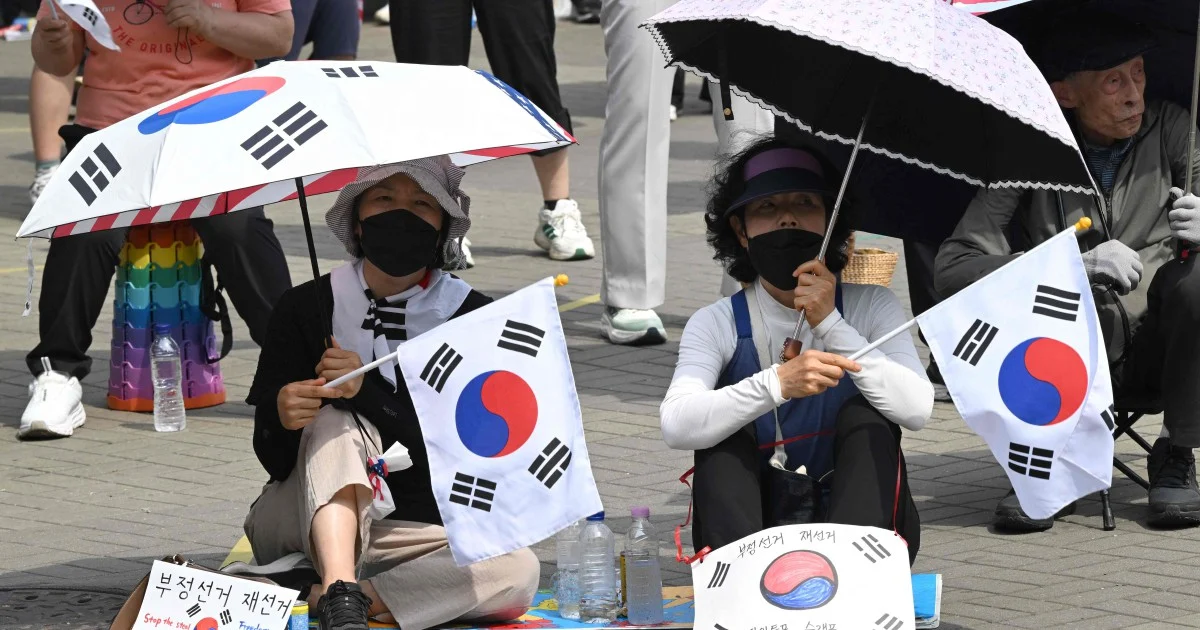
South Korea's National Assembly has formally initiated a 45-day parliamentary inquiry into the country's National Election Commission, prompted by widespread ballot-paper shortages that created disruptions during the June 3 local elections. The plenary session approval of this investigation reflects mounting legislative concern over how the election authority managed voting logistics on what should have been a routine administrative exercise.
The ballot shortages represent more than a routine procedural failure. Voting disruptions in local elections—where citizens elect provincial governors, municipal mayors, and local council members—affect governance at levels that directly shape day-to-day public services. When ballot papers run out or voting queues extend inordinately, it can suppress turnout, frustrate voters, and undermine confidence in electoral systems. For a democracy like South Korea with relatively high civic participation expectations, such operational failures warrant serious scrutiny.
Parliamentary investigations of this scope typically examine both immediate causes and systemic weaknesses. Investigators will likely probe how the National Election Commission calculated ballot requirements for different constituencies, what contingency plans existed for supply chain disruptions, and whether staffing and coordination at polling locations were adequate. The 45-day timeframe allows for comprehensive document review, witness testimony, and analysis of voting data from across the country.
This inquiry carries significance beyond South Korea's borders for the broader East Asian region. As neighboring countries like Malaysia, Indonesia, and the Philippines continually refine their own electoral systems, they often study administrative practices in established democracies. Electoral mishaps in one country can prompt defensive reviews in others, particularly when they appear preventable through better planning. South Korea's transparent investigation process itself serves as a model for accountability in electoral administration.
The timing of the investigation also matters politically. Local elections represent a key barometer of public sentiment between national presidential contests. If administration failures are perceived to have disadvantaged particular voter groups—whether by location, socioeconomic status, or party affiliation—this could feed broader narratives about institutional competence. A thorough parliamentary review helps establish whether problems were neutral technical errors or reflected systemic bias.
The National Election Commission's response to this investigation will be watched closely by observers assessing governance capacity in one of Asia's largest democracies. Will the commission proactively propose structural reforms, or will it defend its processes? Will parliament's findings lead to concrete operational changes, or will the investigation conclude with recommendations that gather dust? These outcomes influence not just South Korean elections but also regional perceptions of how democracies handle institutional accountability when things go wrong.
Election administration in any country requires precise forecasting, adequate resource allocation, and seamless coordination among numerous officials at polling stations nationwide. South Korea's June 3 elections involved millions of ballots across thousands of locations. That shortages occurred at all suggests potential problems with demand estimation, distribution logistics, or on-the-ground responsiveness to emerging needs. The parliamentary investigation will determine which systems failed and why.
For Malaysian observers, this case offers instructive lessons about electoral resilience. Malaysia conducts regular federal elections alongside state and local polls, and any disruptions to ballot supplies or voting logistics risk undermining electoral legitimacy. South Korea's willingness to investigate its election commission publicly demonstrates how democratic systems self-correct when administrative capacity proves inadequate. This transparency, while potentially embarrassing for officials, ultimately strengthens public trust by showing that malfunctions trigger accountability rather than silence.
The investigation also highlights how election commissions operate under immense logistical pressure. In modern democracies, these institutions must balance accessibility—ensuring every eligible voter can participate—with security and accuracy. Ballot shortages suggest this balance tipped toward insufficient supply. Understanding whether this reflected miscalculation, resource constraints, or coordination failures will help inform how election commissions worldwide should approach similar challenges.
As South Korea's parliamentary committee begins its 45-day review, it will examine how the National Election Commission can strengthen its election management protocols. Expected outputs may include procedural reforms, resource reallocation, or technological innovations to improve ballot distribution. Whether these changes prove sufficient to prevent recurrence will likely only become apparent when South Korea next conducts local elections.
The broader message from this parliamentary action resonates across democracies grappling with election administration pressures. Even well-resourced, technologically advanced countries can experience operational disruptions. What distinguishes robust democracies is not the absence of problems but their institutional capacity to investigate failures transparently and implement corrections. South Korea's parliament has signaled that ballot shortages deserve serious attention, setting expectations for institutional accountability that other democracies may well emulate.

%22%2F%3E%3C%2Fpattern%3E%3C%2Fdefs%3E%3Crect%20width%3D%22100%25%22%20height%3D%22100%25%22%20fill%3D%22url(%23ph523ndg)%22%2F%3E%3Crect%20width%3D%22100%25%22%20height%3D%22100%25%22%20fill%3D%22url(%23ph523ndp)%22%2F%3E%3Ctext%20x%3D%2250%25%22%20y%3D%2250%25%22%20text-anchor%3D%22middle%22%20dominant-baseline%3D%22central%22%20fill%3D%22rgba(255%2C255%2C255%2C0.95)%22%20font-family%3D%22Georgia%2C%20'Times%20New%20Roman'%2C%20serif%22%20font-weight%3D%22700%22%20font-size%3D%22272%22%20letter-spacing%3D%22-0.02em%22%3EAnwar%3C%2Ftext%3E%3C%2Fsvg%3E)