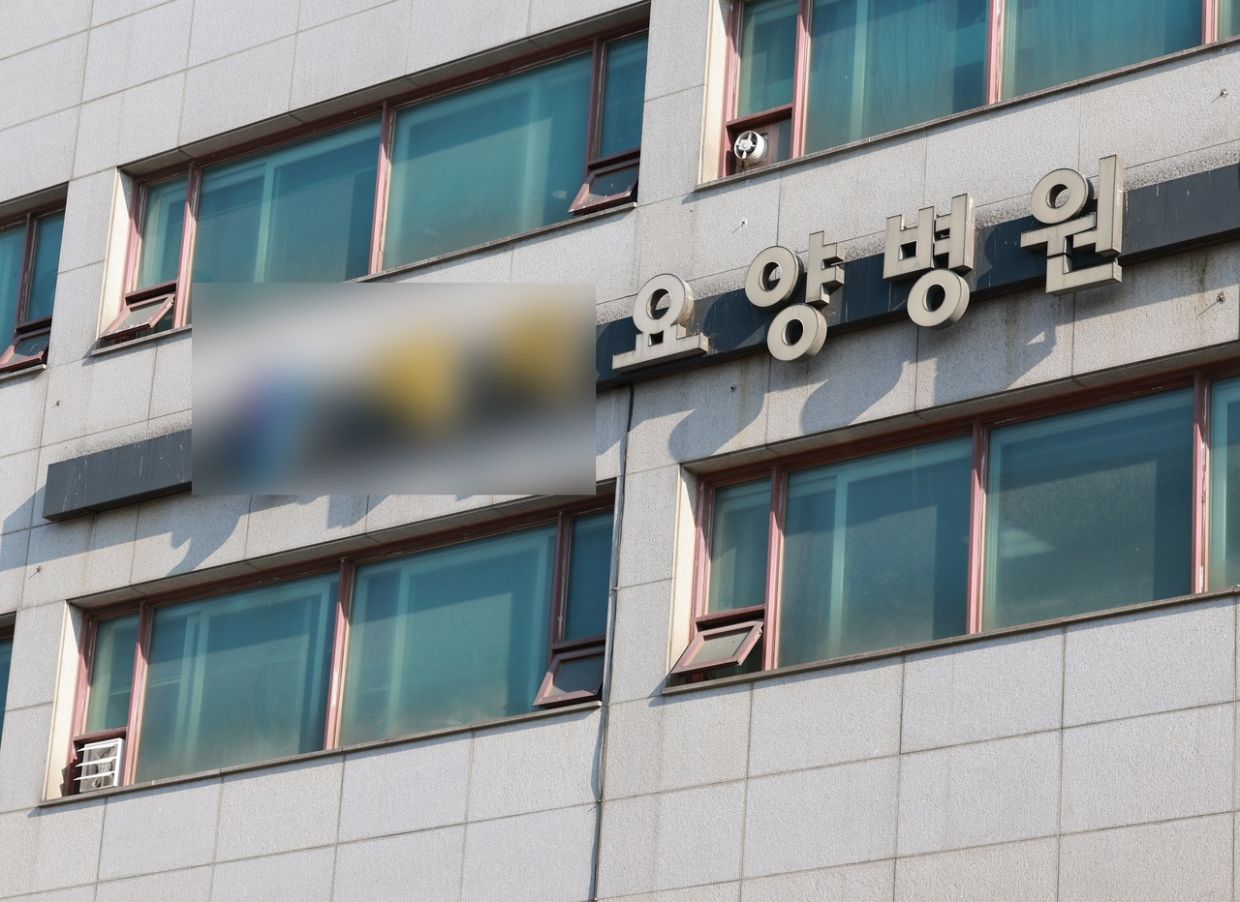
An elderly female patient's amputated leg, accidentally thrown away as recyclable waste by a South Korean nursing hospital, has sparked a criminal investigation into potential breaches of medical disposal regulations and healthcare protocols. Incheon police officials announced on Friday, June 19, that the human remains discovered at a Southern Regional Resource Recovery Centre on June 10 had been carelessly discarded by staff at a Jung-gu nursing hospital, confirming suspicions raised by hospital administrators two days after the finding.
The incident unfolded when the leg was initially sorted as medical waste but subsequently mixed with general refuse by a member of the cleaning staff in their 60s, who believed the limb came from a mannequin used for training purposes. The discovery at the recycling facility prompted immediate police involvement, with investigators determining through DNA analysis conducted by the National Forensic Service that the leg belonged to the female patient, who was in her 80s, treated at the hospital in question.
What began as a perplexing and potentially alarming discovery quickly evolved into a case study of systemic failures in medical waste management. The National Forensic Service's initial analysis confirmed the limb belonged to an adult human, leading authorities to the Jung-gu hospital where staff subsequently acknowledged the amputation had occurred at their facility. The hospital's voluntary disclosure, made before police formally identified the source, suggested institutional awareness of a significant breach in their waste disposal procedures.
The incident has exposed lapses in adherence to South Korea's Wastes Control Act, which explicitly requires medical waste to be segregated and disposed of in government-approved containers rather than mixed with general refuse destined for recycling facilities. Investigators are now examining whether the hospital maintained proper protocols when handling the amputated limb and whether established legal requirements were observed throughout the disposal process. The potential violation carries serious implications for hospital administration and relevant personnel.
Beyond waste management violations, the case has raised broader questions about the legitimacy of the amputation procedure itself. Allegations have emerged that the Jung-gu facility may lack the necessary medical equipment and infrastructure to perform limb amputation procedures legally, though police have declined to make definitive statements pending further consultation. This suggests the investigation may expand beyond negligent waste disposal to encompass whether the hospital was appropriately licensed and equipped to conduct such significant surgical interventions.
Police officials indicated they are simultaneously reviewing potential violations of the Medical Service Act concerning the amputation itself. A spokesperson noted the complexity of determining applicable criminal provisions, stating that authorities would consult with the Korean Medical Association, the Ministry of Health and Welfare, and legal experts before reaching conclusions about potential criminal liability. This cautious approach reflects the intricate intersection of medical practice regulations, waste management law, and criminal accountability.
Contextual details about the patient's circumstances add complexity to the case. According to testimony from her family members, the elderly woman had been admitted to the nursing hospital after other medical facilities declined to accept her due to her deteriorating health condition. This backdrop suggests the patient faced limited healthcare options, which may be relevant to questions about whether appropriate informed consent procedures were followed and whether the amputation was medically justified given her circumstances.
The incident resonates broadly across Southeast Asia's healthcare sector, where standards for medical waste disposal and surgical practice vary significantly between jurisdictions and individual facilities. Malaysia and other regional nations maintain similar regulations requiring proper segregation of medical waste, yet enforcement mechanisms and institutional compliance remain inconsistent concerns. This South Korean case serves as a cautionary example of how inadequate staff training and unclear internal protocols can result in serious regulatory violations and potential patient harm.
For Malaysian healthcare administrators and policymakers, the case underscores the importance of rigorous staff training programs focusing on medical waste classification and disposal procedures. The accidental mixing of amputated human remains with recyclable materials represents not merely a procedural oversight but a fundamental failure of quality control systems that should prevent such outcomes through multiple verification steps.
The investigation's progression toward examining whether the hospital possessed proper licensing and facilities for amputation highlights another crucial dimension: ensuring that medical institutions operate within their designated scope of practice. Inadequate equipment or staff expertise combined with poor waste management protocols creates compounding risks that threaten both patient safety and public health standards.
As South Korean authorities proceed with their investigation and consultations with relevant professional bodies, the case may establish important precedents for accountability in medical waste management across the region. The outcome could influence how hospitals throughout Southeast Asia approach staff training, institutional oversight, and the integration of proper disposal procedures into surgical practice.

%22%2F%3E%3C%2Fpattern%3E%3C%2Fdefs%3E%3Crect%20width%3D%22100%25%22%20height%3D%22100%25%22%20fill%3D%22url(%23ph523ndg)%22%2F%3E%3Crect%20width%3D%22100%25%22%20height%3D%22100%25%22%20fill%3D%22url(%23ph523ndp)%22%2F%3E%3Ctext%20x%3D%2250%25%22%20y%3D%2250%25%22%20text-anchor%3D%22middle%22%20dominant-baseline%3D%22central%22%20fill%3D%22rgba(255%2C255%2C255%2C0.95)%22%20font-family%3D%22Georgia%2C%20'Times%20New%20Roman'%2C%20serif%22%20font-weight%3D%22700%22%20font-size%3D%22272%22%20letter-spacing%3D%22-0.02em%22%3EAnwar%3C%2Ftext%3E%3C%2Fsvg%3E)