Singapore shipping magnate Teo Siong Seng and several other container industry executives have been named as defendants in two separate civil lawsuits filed in the United States District Court for the Northern District of California, marking a significant escalation in the legal consequences stemming from an alleged global price-fixing conspiracy. The lawsuits, filed by American manufacturing and transportation companies seeking to recover millions in damages, represent a parallel challenge to the criminal prosecution already underway through the US Department of Justice and reflect how alleged cartel activities can trigger multiple layers of litigation across different jurisdictions.
Manufacturing company C.A. Spalding Company and transportation firm Daybreak Express initiated the class-action proceedings on June 2 and 9 respectively, claiming they sustained substantial financial losses as a result of artificially inflated container prices orchestrated by competing producers working in collusion. Unlike criminal proceedings, which focus on establishing guilt and imposing penalties through state authority, these civil actions allow private businesses to seek compensation directly from the defendants for economic harm suffered. This dual-track legal approach creates a compound liability exposure for those implicated, as the same factual allegations of misconduct can result in both criminal convictions with imprisonment and civil judgments requiring substantial monetary payments.
The allegations rest on a criminal indictment filed by federal prosecutors on January 22 and publicly disclosed on May 19, which named five major container manufacturers and their executives as participants in a cartel responsible for producing approximately 95 percent of the world's standard dry containers. The cartel included China International Marine Containers (CIMC), Shanghai Universal Logistics Equipment, CXIC Group Containers, and Singamas Container Holdings, where the 71-year-old Teo serves as chief executive. The scheme allegedly operated through coordinated production controls that artificially restricted supply and thereby kept prices elevated across the global shipping container market.
According to court documents and investigative findings, the conspirators maintained output restrictions through multiple mechanisms designed to prevent any participating company from exceeding agreed-upon production quotas. The scheme included deliberately limiting operational shifts and working hours on production lines, effectively creating artificial scarcity despite the global demand for containers. Most strikingly, the defendants installed 87 surveillance cameras across 49 production facilities spread across multiple factories to monitor compliance with the cartel's output restrictions, creating an infrastructure of detection and enforcement that underscored the deliberate and systematic nature of the arrangement. This technological apparatus demonstrates that the alleged collusion was not an informal understanding but rather a structured conspiracy with verifiable monitoring mechanisms.
The financial impact of this alleged price manipulation was dramatic and quantifiable. The cost of a standard 20-foot shipping container, the industry's basic unit, more than doubled during the three-year period from 2019 to 2021, rising from approximately US$1,600 to US$3,500. This doubling of prices at a time when global supply chains were already strained by pandemic-related disruptions meant that businesses worldwide—including countless companies throughout Southeast Asia relying on container imports—bore substantially higher transportation costs for months. The timing of the conspiracy during a period of historically volatile shipping rates raises questions about how much of the container price surge during the COVID-19 pandemic period was attributable to market forces versus deliberate supply restriction.
The profits accumulated by cartel members during this period substantiate prosecutors' claims that the scheme generated enormous financial gains for participating companies. China International Marine Containers saw its container manufacturing profits surge from approximately 137 million yuan in 2019 to nearly 2 billion yuan in 2020, then exploding to 11.3 billion yuan in 2021—a roughly eightfold increase in profitability over two years. Singamas Container Holdings' financial trajectory was equally striking, transforming a US$110 million loss in 2019 into a US$186.8 million profit by 2021. These dramatic swings in profitability during the alleged cartel period provide financial evidence supporting the claim that defendants were capturing margin gains that should not have accrued to them in a genuinely competitive market.
The civil litigation introduces a critical enforcement mechanism through the doctrine of treble damages, which allows courts to award plaintiffs three times the actual financial losses they sustained. This multiplier provision serves both as compensation and as additional punishment beyond the criminal sanctions system, creating powerful incentives for the guilty to negotiate settlements rather than proceeding to trial. For defendants, the treble damages provision transforms what might otherwise be a restitution matter into a potentially catastrophic financial exposure, as the actual damages experienced by US businesses could be magnified threefold. This element of the civil framework explains why defendants with significant assets often prefer settlement negotiations to the risk of a trial verdict.
The judicial process has already commenced, with the US District Court issuing summonses on June 8 and 11 requiring the named executives and corporations to formally respond to the allegations within 21 days. This timeline means that failure to file a substantive response would result in a default judgment against non-responding defendants, effectively conceding liability by operation of law. The defendants named include Mai Boliang, who led CIMC before becoming chairman in August 2020, CIMC vice-president Huang Tianhua, operation manager Wan Yongbo, Shanghai Universal Logistics Equipment general manager Li Qianmin, and CXIC Group Containers chief executive Zhang Yuqiang. Notably, all of these individuals are Chinese nationals, reflecting the concentration of container manufacturing capacity within Chinese companies.
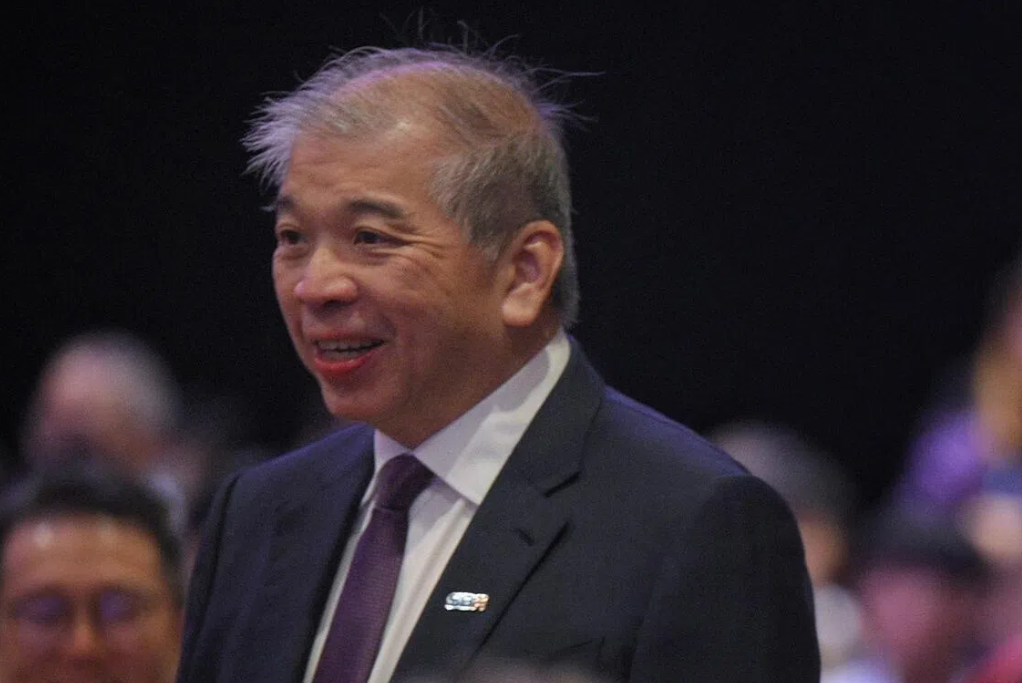
Teo's involvement represents a particularly sensitive aspect of this case within Singapore's business and political context. As chief executive of Singamas, he stands directly responsible for the decisions and actions of his company within the alleged cartel structure. However, his position extends far beyond routine corporate operations. He previously served as chairman of the Singapore Business Federation from 2014 to 2020 and was re-elected to that position in May 2025, only weeks before the indictment became public. His other roles included executive chairman of Pacific International Lines, a pro-chancellor position at the National University of Singapore, board membership at Enterprise Singapore, and participation in the Singapore Economic Resilience Taskforce.
The indictment's public disclosure created an immediate institutional crisis, forcing Teo to take leaves of absence from all his significant positions. In his single public statement on May 28, he announced that he would not seek re-election as Singapore Business Federation chairman when his term expires on June 24, citing the need to address the legal matters. This decision reflects the reputational damage that association with an international cartel investigation inflicts on individuals holding prominent governance roles in Singapore's business establishment. The timing is particularly awkward given that Teo had only recently assumed the SBF chairmanship after his predecessor Lim Ming Yan stepped down to assume leadership of Changi Airport Group, suggesting the federation was already navigating leadership transitions.
Vick Ma, identified as Singamas' marketing director, was arrested in France in April and now faces extradition proceedings to the United States to answer criminal charges. Ma's situation underscores the international reach of US enforcement authority and the willingness of allied nations to cooperate in extraditing individuals accused of participating in US-jurisdiction criminal conduct. For any of the defendants, the combination of criminal prosecution and civil liability represents an unprecedented legal exposure, and those who are extradited or surrender to US authorities face the possibility of substantial prison sentences in addition to financial penalties.
For Malaysian businesses and the broader Southeast Asian commercial ecosystem, this case carries important implications regarding supply chain resilience and the enforcement of international competition law. The container cartel's artificial pricing during 2019 to 2021 directly affected logistics costs for regional exporters and importers who depended on shipping containers for their operations. The enforcement action and civil litigation demonstrate that US authorities remain aggressively willing to pursue price-fixing conspiracies regardless of the national origin of the defendants or the location of the alleged misconduct. This suggests that Southeast Asian companies engaged in international commerce should be aware that cartel conduct, even if involving foreign producers, can trigger enforcement actions and civil liability in US courts where the conspiracy affects American businesses.