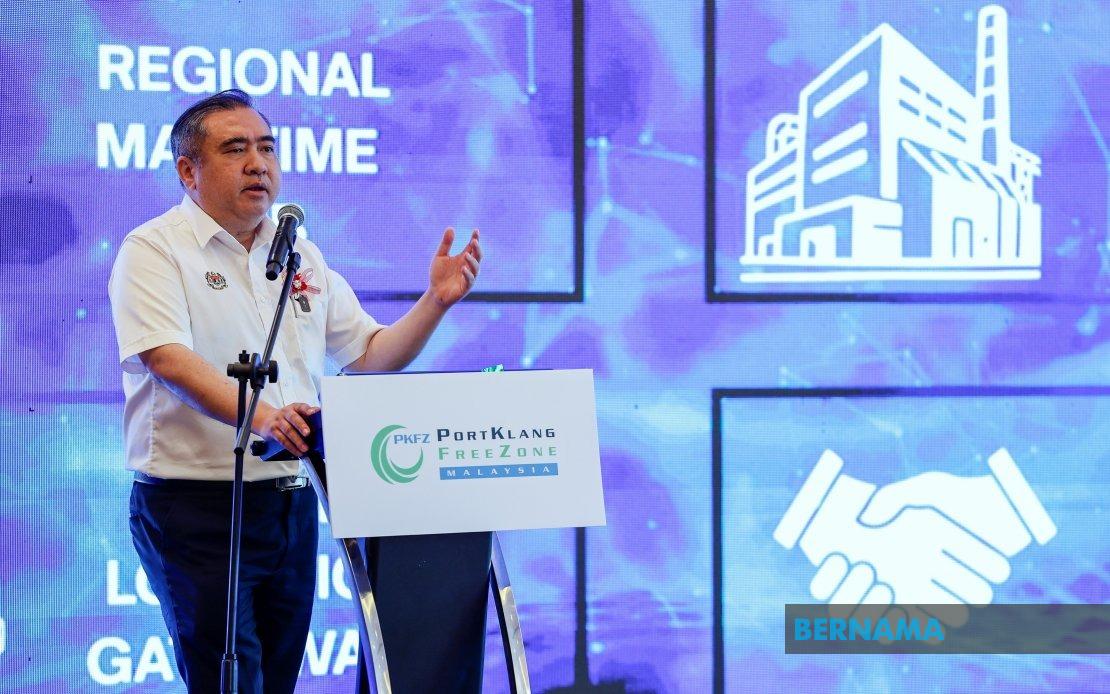
The Selangor State Government has entered a critical phase in developing the Port Klang Third Terminal on Carey Island, with officials now prioritising the resolution of competing land claims that have delayed the project's advancement. Transport Minister Anthony Loke confirmed that both state and federal authorities are collaborating with private sector partners to chart a viable path forward for what promises to be a transformative infrastructure investment for Malaysia's port and logistics capabilities.
The development framework being pursued follows a Build-Operate-Transfer model through concession arrangements, a structure that aims to attract private capital while preserving state oversight of this strategically important facility. Loke indicated that if land title issues can be cleared in the coming months, the ministry harbours ambitions to commence construction activities by the end of this calendar year, though he stressed that resolving the underlying property complications remains the immediate prerequisite for any groundbreaking ceremonies.
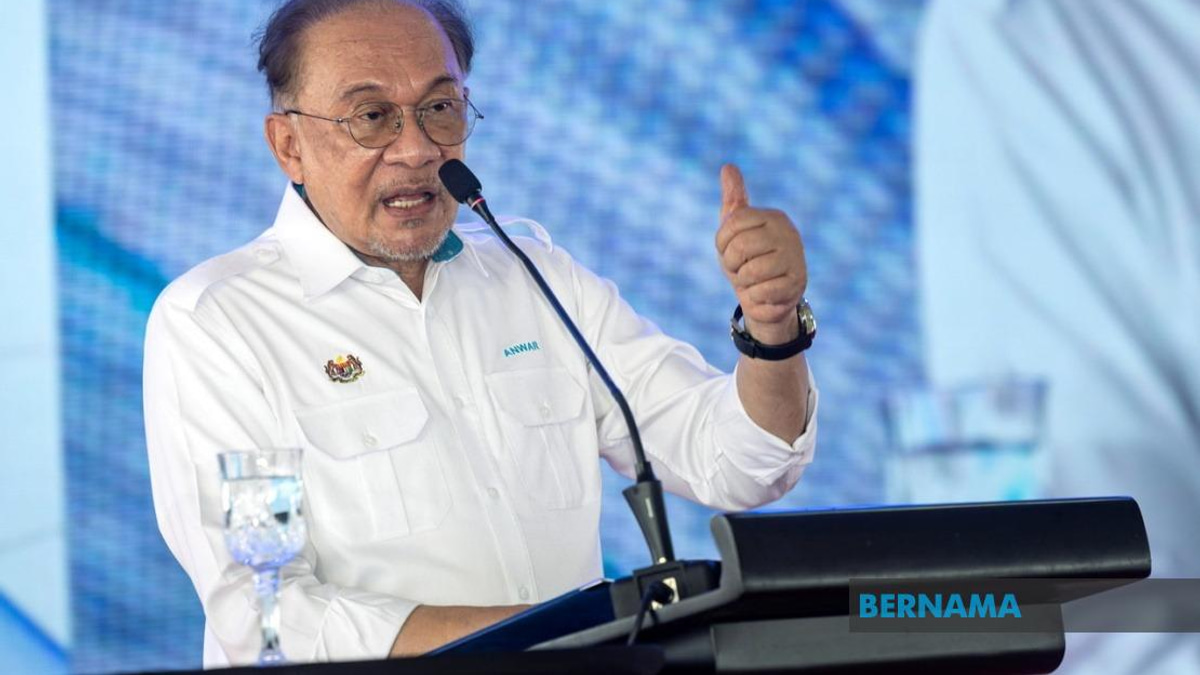
The third terminal project received formal government approval in May, following Prime Minister Datuk Seri Anwar Ibrahim's directive to all relevant agencies to accelerate progress on the initiative. This top-level political support underscores how the federal government views the expansion of Port Klang's capacity as essential to Malaysia's economic competitiveness amid intensifying regional competition for maritime trade. Port Klang currently serves as Southeast Asia's busiest port, and the third terminal is designed to substantially increase container-handling throughput and enhance the nation's position in global shipping lanes.
The land question itself reflects the complex ownership patterns characteristic of major development sites in Selangor. According to Selangor Menteri Besar Datuk Seri Amirudin Shari, the state government has identified a total of 1,699.68 hectares across Pulau Carey and Kuala Langat for the terminal's footprint. However, this land is fragmented across multiple custodians: the Selangor State Development Corporation (PKNS) controls 1,011.71 hectares of seabed, whilst Yayasan Selangor holds title to 687.96 hectares of coastal property. Harmonising these interests and ensuring clear title transfer to the project developer represents a delicate negotiation involving state entities, religious foundations, and the federal government.
The third terminal carries significant strategic weight beyond merely increasing container capacity. Malaysia's logistics sector continues to expand, with warehousing, distribution, and value-added services increasingly concentrated around Klang Valley. A third terminal would cement Port Klang's dominance as a regional hub and create upstream opportunities in inland container depots, trucking networks, and industrial parks. The ripple effects would extend throughout Selangor's economy, boosting employment and attracting further foreign direct investment in supporting services.
Loke's comments came during the inauguration of several complementary facilities within Port Klang Free Zone, including the Wisma Golden Horse labour quarters and expansions of rubber and materials manufacturing operations. These developments, collectively representing RM566 million in new investment, illustrate the existing dynamism within the port's industrial ecosystem and demonstrate investor confidence in the region's logistics infrastructure. The parallel rollout of a Smart Intelligence Industrial Park reflects efforts to integrate digital technologies into port operations, a trend that will likely accelerate once the third terminal becomes operational.
Beyond infrastructure expansion, the Transport Ministry is also addressing a critical human capital constraint within Malaysia's logistics and haulage sectors. A memorandum of understanding signed between Port Klang Free Zone and the Armed Forces Ex-Servicemen's Affairs Corporation (Perhebat) aims to channel military retirees into skilled driving and operational roles. With chronic shortages of heavy vehicle drivers plaguing the trucking industry, tapping into the reservoir of trained military personnel represents a pragmatic solution that simultaneously addresses employment needs among ex-servicemen. Deputy Prime Minister Datuk Seri Dr Ahmad Zahid Hamidi witnessed the agreement, signalling the government's commitment to this workforce development strategy.
Complementing the retirees initiative, the government announced in March plans to establish a special licensing programme enabling military veterans to obtain Class E heavy vehicle driving permits more readily. This targeted approach acknowledges that whilst many ex-servicemen possess the discipline and mechanical aptitude required for commercial driving, bureaucratic licensing procedures often create unnecessary barriers to their employment. By streamlining pathways into the haulage sector, the government hopes to simultaneously relieve driver shortages and improve job placement rates for defence force retirees.
The convergence of infrastructure investment, workforce development, and land consolidation efforts reflects a more coordinated approach to port and logistics sector planning than has historically characterised Malaysian development projects. Rather than pursuing the third terminal in isolation, authorities are simultaneously upgrading supporting facilities, addressing labour market impediments, and nurturing the industrial ecosystem surrounding Port Klang. This integrated strategy enhances the likelihood that the third terminal, once operational, will function within an ecosystem capable of fully exploiting its capabilities.
For Malaysian businesses and regional shippers, the third terminal's eventual completion will provide welcome relief from congestion that periodically constrains Port Klang's capacity during peak seasons. Enhanced throughput capacity translates into more predictable vessel scheduling, lower demurrage charges, and improved competitiveness relative to alternative regional ports in Singapore, Bangkok, and Hong Kong. The terminal's emphasis on intelligent technology integration suggests that operational efficiencies will further compound the benefits of increased capacity.
The current land resolution phase will likely determine whether the third terminal can realistically commence construction within the intended timeframe. Selangor state authorities possess the political leverage and institutional frameworks necessary to facilitate the necessary property consolidation, whilst the federal government's strong backing ensures that bureaucratic obstacles can be overcome. The involvement of private concessionaires introduces commercial discipline into the project timeline, as developers will be eager to begin revenue-generation activities.
Looking forward, successful completion of the third terminal would position Malaysia to capture a larger share of the containerised trade flowing through Southeast Asia, particularly as supply chain diversification continues drawing commerce away from China-dependent routes. The facility would complement ongoing upgrades to Peninsular Malaysia's transport networks, including the Pan-Borneo Highway and various urban rail projects, creating a more integrated logistics ecosystem. For Selangor specifically, the terminal represents an anchor investment likely to catalyse broader port-adjacent industrial development for decades to come.

%22%2F%3E%3C%2Fpattern%3E%3C%2Fdefs%3E%3Crect%20width%3D%22100%25%22%20height%3D%22100%25%22%20fill%3D%22url(%23ph523ndg)%22%2F%3E%3Crect%20width%3D%22100%25%22%20height%3D%22100%25%22%20fill%3D%22url(%23ph523ndp)%22%2F%3E%3Ctext%20x%3D%2250%25%22%20y%3D%2250%25%22%20text-anchor%3D%22middle%22%20dominant-baseline%3D%22central%22%20fill%3D%22rgba(255%2C255%2C255%2C0.95)%22%20font-family%3D%22Georgia%2C%20'Times%20New%20Roman'%2C%20serif%22%20font-weight%3D%22700%22%20font-size%3D%22272%22%20letter-spacing%3D%22-0.02em%22%3EAnwar%3C%2Ftext%3E%3C%2Fsvg%3E)