%22%2F%3E%3C%2Fpattern%3E%3C%2Fdefs%3E%3Crect%20width%3D%22100%25%22%20height%3D%22100%25%22%20fill%3D%22url(%23ph54ndmg)%22%2F%3E%3Crect%20width%3D%22100%25%22%20height%3D%22100%25%22%20fill%3D%22url(%23ph54ndmp)%22%2F%3E%3Ctext%20x%3D%2250%25%22%20y%3D%2250%25%22%20text-anchor%3D%22middle%22%20dominant-baseline%3D%22central%22%20fill%3D%22rgba(255%2C255%2C255%2C0.95)%22%20font-family%3D%22Georgia%2C%20'Times%20New%20Roman'%2C%20serif%22%20font-weight%3D%22700%22%20font-size%3D%22226%22%20letter-spacing%3D%22-0.02em%22%3ERussia%3C%2Ftext%3E%3C%2Fsvg%3E)
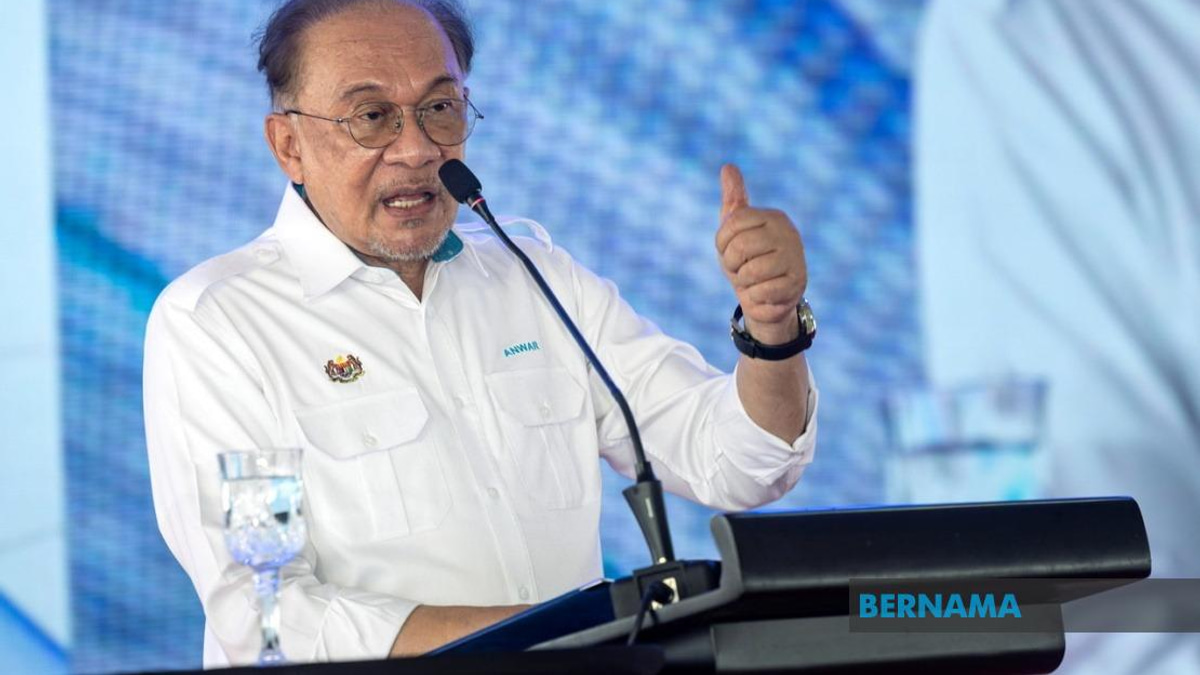
Prime Minister Anwar Ibrahim announced in Kazan that Russia has committed to providing Malaysia with dependable long-term supplies of petroleum products, crude oil, and natural gas. The agreement marks a significant development in Malaysia's energy security strategy and reflects deepening economic cooperation between Kuala Lumpur and Moscow at a time when global energy markets remain volatile and supply chain disruptions continue to pose challenges for resource-dependent Asian economies.
The commitment carries considerable weight for Malaysia's economic planning, as the country remains heavily reliant on imported energy to fuel its manufacturing sectors and power generation infrastructure. With crude oil prices subject to geopolitical fluctuations and traditional energy suppliers facing their own production constraints, securing guarantees from a major exporter like Russia provides Malaysia with alternative sourcing options and negotiating leverage in international markets. This arrangement fits within Malaysia's broader energy diversification strategy, which aims to reduce dependency on any single supplier and maintain stable input costs for domestic industries.
Russia's willingness to enter into such a commitment reflects its own strategic interests in maintaining market share and strengthening ties with Southeast Asian nations. As Western nations have implemented various sanctions and restrictions on Russian energy products in response to geopolitical tensions, Moscow has increasingly focused on developing partnerships with Asian counterparts. Malaysia's position as a major regional economy with significant energy consumption makes it an attractive partner for Russian energy exporters seeking to expand their market presence in the Indo-Pacific region.
The timing of this announcement is particularly noteworthy given Malaysia's current economic priorities. The nation has been working to stabilise its energy costs following global market disruptions, and securing long-term supply agreements at predetermined or managed pricing structures can provide greater budget certainty for government planning and industrial operations. Such arrangements also benefit Malaysia's downstream petroleum sector, which relies on stable access to raw materials to maintain competitiveness in regional and global markets.
From a geopolitical perspective, the Russia-Malaysia energy partnership demonstrates Malaysia's independent foreign policy approach. Rather than limiting itself to traditional Western suppliers or Asian neighbours, Malaysia continues to develop pragmatic relationships with multiple energy producers. This balancing act reflects the country's long-standing principle of not aligning itself exclusively with any major power bloc, instead pursuing economic relationships that benefit Malaysian interests regardless of political considerations elsewhere.
The agreement likely encompasses mechanisms for regular supply volumes, pricing frameworks, and dispute resolution procedures, though specific contractual details would typically be negotiated by relevant energy ministries and state enterprises. Malaysia's national oil company Petronas would presumably play a central role in implementing such arrangements, leveraging its expertise in international oil and gas procurement and its existing infrastructure for receiving and processing imported energy products.
For Malaysian manufacturers and energy-intensive industries, this development offers strategic advantages. Predictable energy costs support long-term production planning and help maintain competitiveness in sectors ranging from petrochemicals to semiconductor manufacturing. Industrial chambers and business associations have consistently highlighted energy price stability as crucial for attracting and retaining manufacturing investment, particularly as Southeast Asia competes with other regions for supply chain relocation from established industrial centres.
The agreement also carries implications for Southeast Asian energy markets more broadly. Malaysia's bilateral arrangement with Russia could serve as a template for other regional nations seeking to diversify their energy sources, potentially shifting regional dynamics away from traditional suppliers. China and India, both major economies with significant energy import requirements, may view Malaysia's approach as illustrative of successful diversification strategies in an increasingly multipolar energy landscape.
Looking forward, the sustainability of this arrangement will depend on maintaining stable bilateral relations and avoiding disruptions from broader geopolitical developments. The agreement represents a bet that Malaysia's practical, non-ideological approach to international energy relations will continue to yield benefits for the nation's economic development. Whether Russia can consistently deliver on these supply commitments, and at what price points, will ultimately determine the agreement's contribution to Malaysia's long-term energy security and economic competitiveness in an uncertain global environment.

%22%2F%3E%3C%2Fpattern%3E%3C%2Fdefs%3E%3Crect%20width%3D%22100%25%22%20height%3D%22100%25%22%20fill%3D%22url(%23ph523ndg)%22%2F%3E%3Crect%20width%3D%22100%25%22%20height%3D%22100%25%22%20fill%3D%22url(%23ph523ndp)%22%2F%3E%3Ctext%20x%3D%2250%25%22%20y%3D%2250%25%22%20text-anchor%3D%22middle%22%20dominant-baseline%3D%22central%22%20fill%3D%22rgba(255%2C255%2C255%2C0.95)%22%20font-family%3D%22Georgia%2C%20'Times%20New%20Roman'%2C%20serif%22%20font-weight%3D%22700%22%20font-size%3D%22272%22%20letter-spacing%3D%22-0.02em%22%3EAnwar%3C%2Ftext%3E%3C%2Fsvg%3E)