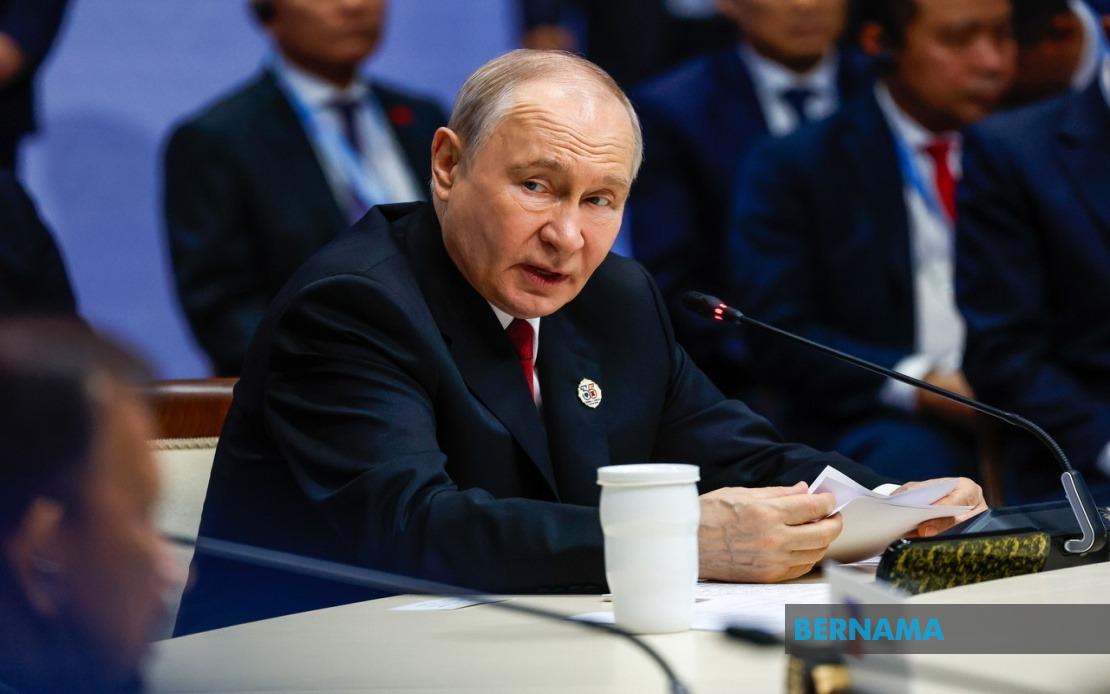
Russia and ASEAN have solidified a substantial strategic partnership over three and a half decades that now functions as a stabilising presence in an increasingly volatile Asia-Pacific region, according to Russian President Vladimir Putin at the ASEAN-Russia Commemorative Summit held in Kazan. Speaking at the opening of the two-day gathering, Putin highlighted how the two parties have constructed an intricate framework of legal agreements and collaborative mechanisms that underpin their engagement across numerous sectors critical to regional development and security.
The partnership traces its formal origins to 1991 when Russia first established official relations with ASEAN in Kuala Lumpur. What began as an initial diplomatic connection evolved substantially over subsequent decades. By 1996, Russia had achieved full ASEAN Dialogue Partner status, cementing its place at the table for meaningful consultation on regional matters. The relationship underwent its most significant transformation in 2018 when it was elevated to a Strategic Partnership designation, signalling both parties' commitment to deeper collaboration in political-security spheres, economic ventures, and socio-cultural exchanges that reflect mutual development priorities.
The breadth of cooperation between Russia and ASEAN extends across multiple critical domains that shape regional prosperity and stability. Security collaboration remains foundational, complemented by robust trade and investment frameworks that facilitate economic integration. Energy partnerships have become increasingly important given the region's substantial resource needs, whilst agricultural cooperation addresses food security concerns relevant to Southeast Asian nations. Beyond traditional policy areas, both sides have expanded engagement in digitalisation initiatives, scientific research partnerships, technological development, tourism promotion, and educational exchanges that strengthen people-to-people connections across the region.
Putin underscored that the Russia-ASEAN relationship rests upon universally acknowledged principles of international law coupled with pragmatic recognition of shared interests. This foundation distinguishes the partnership from transactional arrangements, instead positioning it as one rooted in enduring mutual benefit. He characterised the strategic partnership as particularly vital given contemporary geopolitical turbulence, suggesting that the relationship contributes meaningfully to developing a balanced security architecture in the Asia-Pacific where no single power dominates regional calculations and cooperation remains possible despite broader global tensions.
The timing of the commemorative summit reflects heightened regional interest in strengthening partnerships capable of navigating contemporary uncertainties. Global economic volatility and shifting geopolitical alignments have prompted both Russia and ASEAN to identify areas where expanded cooperation yields tangible benefits for their respective populations. Trade and investment flows remain priority areas, with both parties recognising that deepening economic interdependence creates incentives for stability. Food and energy security emerged as particularly pressing concerns, especially for ASEAN members dependent on stable supply chains and affordable energy for industrial competitiveness and household consumption.
Digital transformation has gained prominence in bilateral discussions as Southeast Asian nations race to modernise their economies and Russia seeks to leverage its technological capabilities in markets where Western sanctions have complicated traditional partnerships. Educational exchanges and scientific collaboration represent additional growth areas, with Russian institutions maintaining strong reputations in mathematics, engineering, and theoretical sciences that complement Southeast Asian development objectives. These multifaceted engagement channels create resilient relationships that survive disruptions in any single sector.
From Russia's perspective, ASEAN represents a crucial partner in its broader strategy to strengthen engagement with the Asia-Pacific region at a time when relations with Western nations remain strained. The bloc's combined economic weight, demographic size, and geopolitical importance make it an indispensable interlocutor for any major power seeking influence in Asian affairs. Conversely, ASEAN views Russia as a valuable dialogue partner bringing distinct comparative advantages in energy resources, technological expertise, agricultural production, and higher education that complement member states' development trajectories and diversify their partnership networks.
The summit's agenda encompassed comprehensive discussions intended to honour past achievements whilst charting future directions. Delegations exchanged perspectives on contemporary regional and international challenges, conducting substantive reviews of cooperation achievements across the 35-year partnership. Looking ahead, both sides identified priority objectives for the strategic partnership, recognising that institutionalised dialogue mechanisms and regular high-level engagement sustain momentum and generate tangible outcomes benefiting constituent nations.
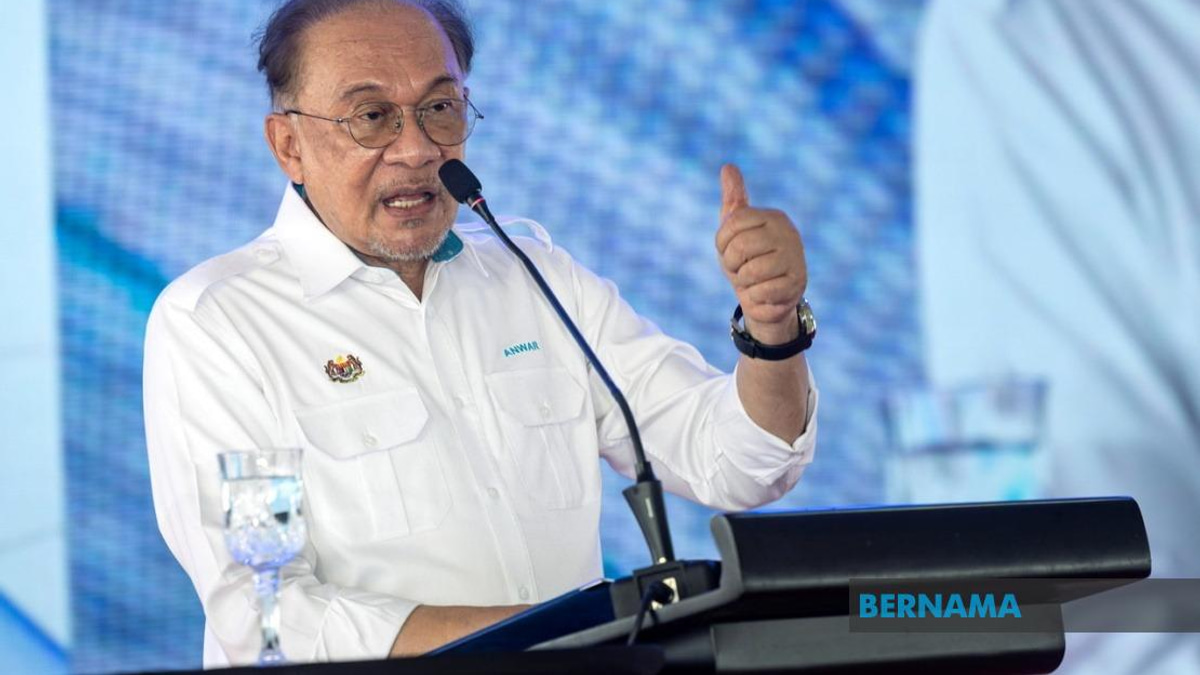
Prime Minister Datuk Seri Anwar Ibrahim attended alongside other ASEAN leaders, including Philippine President Ferdinand Marcos Jr, who held the rotating ASEAN chairmanship. The presence of senior officials underscored the gathering's significance as more than ceremonial commemoration. These high-level engagements typically yield substantive commitments, enhanced coordination mechanisms, and political signals regarding priority areas for intensified cooperation. For Malaysia and other ASEAN members, the summit represented an opportunity to strengthen security partnerships during a period when regional stability faces multiple pressures from great power competition and transnational challenges requiring coordinated responses.
The Russia-ASEAN partnership's evolution reflects broader regional dynamics wherein smaller and mid-sized powers cultivate multiple significant partnerships rather than alignment with any single hegemonic actor. This pluralistic approach to international relations, characteristic of ASEAN's long-standing diplomatic philosophy, enables member states to pursue development objectives whilst maintaining strategic autonomy. Russia's participation in this regional architecture acknowledges that Asia-Pacific stability depends upon inclusive dialogue and cooperation mechanisms encompassing diverse perspectives and interests, rather than exclusionary arrangements that intensify rivalry and instability.
As geopolitical competition intensifies and economic interdependencies become more complex, the Russia-ASEAN partnership offers a model for managing relations amid broader strategic competition. The partnership's emphasis on legal frameworks, institutionalised mechanisms, and mutual benefit provides a template for relationships that transcend temporary political alignments or ideological divisions. For Malaysian policymakers and Southeast Asian observers, the strengthening of Russia-ASEAN ties demonstrates the region's capacity to maintain engagement with major powers whilst preserving the collective autonomy that has enabled ASEAN's decades of relative stability and prosperity.

%22%2F%3E%3C%2Fpattern%3E%3C%2Fdefs%3E%3Crect%20width%3D%22100%25%22%20height%3D%22100%25%22%20fill%3D%22url(%23ph523ndg)%22%2F%3E%3Crect%20width%3D%22100%25%22%20height%3D%22100%25%22%20fill%3D%22url(%23ph523ndp)%22%2F%3E%3Ctext%20x%3D%2250%25%22%20y%3D%2250%25%22%20text-anchor%3D%22middle%22%20dominant-baseline%3D%22central%22%20fill%3D%22rgba(255%2C255%2C255%2C0.95)%22%20font-family%3D%22Georgia%2C%20'Times%20New%20Roman'%2C%20serif%22%20font-weight%3D%22700%22%20font-size%3D%22272%22%20letter-spacing%3D%22-0.02em%22%3EAnwar%3C%2Ftext%3E%3C%2Fsvg%3E)