Malaysia's fire service has sounded an alarm over a growing pattern of residential fires triggered by careless device charging habits, documenting 59 cases nationwide that have destroyed properties worth RM14.2 million over the past three years. The Jabatan Bomba dan Penyelamat Malaysia (JBPM) released the findings to highlight an emerging domestic fire hazard that demands urgent public attention and behavioural change among households across the country.
The financial toll reveals a stark regional imbalance in incident severity. Sarawak emerged as the most affected state, accounting for approximately RM9.7 million in losses across just eleven cases—indicating that individual fires there caused substantially greater damage than elsewhere. Kelantan followed with RM1.14 million from seventeen incidents, while Sabah recorded three cases amounting to RM806,800. Together, these three East Malaysian and northeastern peninsular states absorbed roughly 85 percent of total losses, suggesting either higher concentrations of unsafe charging practices or differences in housing types and building materials that amplify fire damage when ignition occurs.
The remaining seven affected states experienced comparatively modest but still significant losses. Selangor, as Malaysia's most populous state, recorded five cases totalling RM661,040, while Penang documented nine incidents worth RM537,125. Johor sustained RM470,000 in losses from two cases, Putrajaya RM387,000 from a single incident, Melaka RM214,810 across four cases, Terengganu RM175,000 from two cases, and Perak RM95,750 spanning five separate fires. Notably, Kedah, Negri Sembilan, Pahang, Perlis, Kuala Lumpur and Labuan recorded no documented incidents during this period, though this absence does not necessarily indicate superior safety practices—it may instead reflect underreporting or lower ownership rates of devices commonly associated with charging fires.
A particularly reassuring aspect of these statistics is the absence of fatalities throughout the three-year period, though the economic burden and displacement caused by property destruction remain considerable. JBPM emphasised that while aggregate loss figures provide a snapshot of the problem's scale, each fire presents distinct investigative challenges that cannot be oversimplified by focusing solely on monetary damage or fire size. The department notes that individual incidents vary dramatically in complexity depending on factors including the precise location where charging occurred, the specific device involved, the degree to which fire has compromised physical evidence, workplace hazards confronting investigators at scenes, and the technical analysis required to understand failure mechanisms.
The most troublesome cases from an investigative standpoint are frequently not those causing the largest financial losses but rather those demanding exhaustive technical examination, sophisticated risk evaluation, and reconstruction of conclusions from fragmentary or severely damaged physical evidence. This reality underscores why fire safety involves considerably more sophistication than the public generally appreciates—determining causation in device-charging fires requires forensic expertise and understanding of electrical systems that extends well beyond straightforward visual inspection of burned remains.
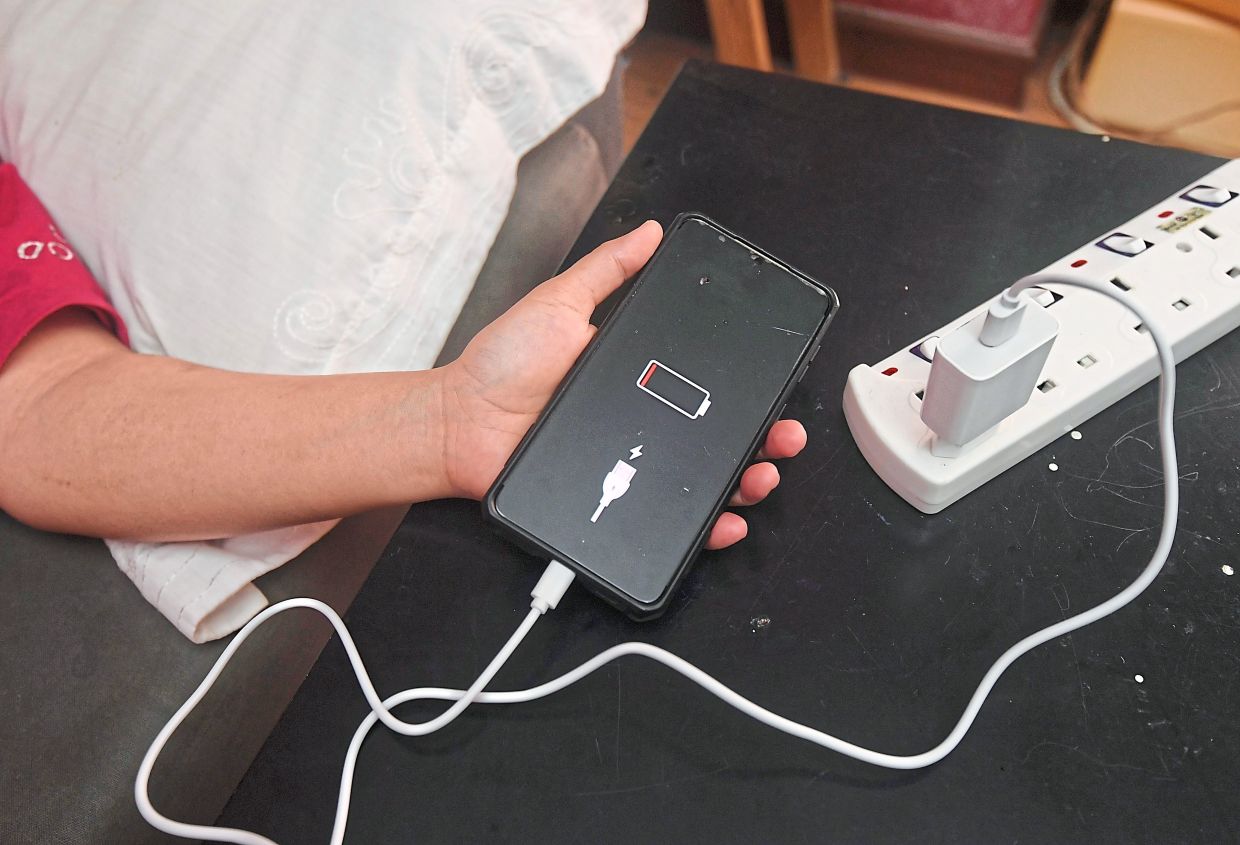
JBPM's investigation has identified a consistent suite of dangerous charging practices that appear across multiple jurisdictions. The most prevalent involves leaving electronic devices unattended while they charge, particularly overnight when occupants are asleep and unable to respond immediately to early warning signs. Running counterfeit or uncertified chargers and cables represents another widespread hazard, as these products often lack proper voltage regulation and thermal protection. Equally troubling is the habitual placement of charging devices on soft furnishings—mattresses, pillows, sofas and blankets—where heat dissipation is impeded and flammable materials rest immediately adjacent to potential ignition sources.
Additional risky behaviours compound these primary hazards. Overloading power strips and extension cords beyond their designed capacity creates electrical stress that generates excessive heat. Simultaneously, many users continue operating devices showing visible damage indicators—swollen batteries, persistent overheating during normal use, burning odours during operation, or visibly compromised charging cables—despite these representing unmistakable warning signs of imminent electrical failure. The convergence of multiple unsafe practices in a single household dramatically magnifies fire risk beyond what any single behaviour alone would present.
A fundamental challenge underlying these preventable incidents is the persistent price sensitivity that drives consumer decisions regarding electrical accessories. JBPM observes that many users deliberately choose cheaper chargers, cables and electrical components despite clear safety implications, viewing the cost differential as more significant than potential consequences. This economic calculus reflects broader consumer awareness gaps regarding product safety standards and the genuine risks associated with non-certified electrical equipment. Substandard chargers frequently lack proper internal protection mechanisms designed to prevent overheating and short circuits, making them substantially more likely to ignite fires under normal usage conditions.
The department has consequently intensified recommendations for preventive behaviour and infrastructure improvements. Households should discontinue charging devices on soft surfaces, immediately replace damaged power sockets, cables or adapters regardless of continued functionality, and maintain awareness of device condition and performance. More importantly, JBPM strongly advocates for exclusive use of charging equipment bearing SIRIM certification—Malaysia's national standards mark—alongside other recognised international safety approvals. While certified chargers typically cost somewhat more, the protection they afford against fire risk represents genuinely valuable insurance against property destruction and potential injury.
The broader context reveals that public understanding of fire risks associated with device charging remains substantially below levels necessary for meaningful behavioural change at population scale. Despite increasing frequency of such incidents and growing media coverage, many households continue prioritising cost over safety when purchasing electrical accessories, suggesting that awareness campaigns alone have proven insufficient to reshape consumer habits. This reality indicates JBPM must pursue more sophisticated strategies combining fire safety education with preventive outreach and formal collaboration with regulatory bodies, product importers, retailers and consumer protection agencies to establish systemic improvements in charger safety and availability.
Moving forward, JBPM has committed to expanding its fire safety education initiatives and partnering with relevant government agencies and private sector stakeholders to reinforce awareness of proper device charging protocols. The department recognises that addressing this emerging hazard requires sustained effort across multiple channels—school curricula, workplace safety programmes, public service announcements, and retailer point-of-sale information—to gradually shift consumer behaviour toward safer practices. Given that three years of incidents have generated RM14.2 million in losses without producing any fatalities, Malaysian households remain fortunate that luck rather than active safety consciousness has prevented tragedy, a precarious situation that demands urgent intervention.