The National Unity Week 2026 celebration concluded in Kota Kinabalu with unprecedented public engagement, drawing 284,448 visitors during its four-day run from June 11 to 14. The turnout represents a significant milestone for Malaysia's premier cultural integration initiative, eclipsing all previous attendance figures since the ministry first introduced the national programme in 2023.
National Unity Minister Datuk Aaron Ago Dagang attributed the remarkable footfall to what he characterised as an expanding recognition among Malaysians of the intrinsic value embedded within the nation's cultural tapestry. He emphasised that visitors' enthusiasm for exploring diverse traditions, customs and historical narratives demonstrates a collective understanding that cultural plurality strengthens rather than fractures national bonds. This perspective aligns with broader governmental efforts to reframe diversity not as a challenge to overcome but as a foundational asset deserving celebration and active preservation.
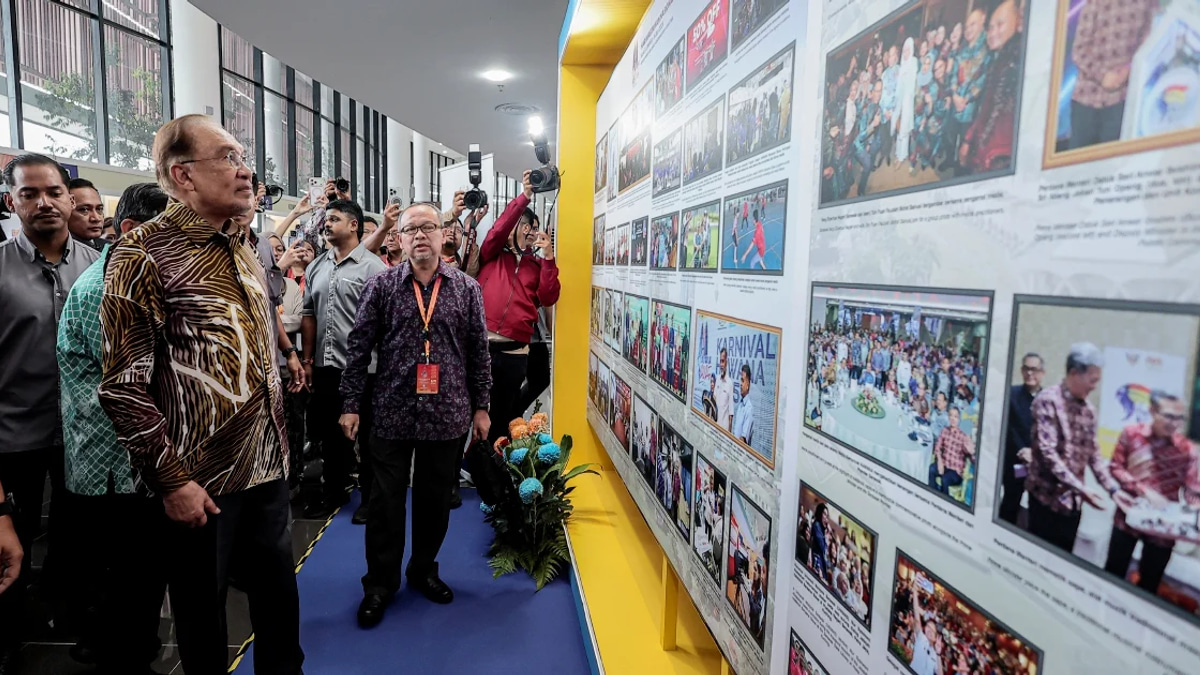
Three specific exhibition zones emerged as focal points that captivated and mobilised the audience throughout the event. The Ethnic Village provided immersive glimpses into the quotidian practices, living arrangements and community structures of Malaysia's major demographic groups, allowing visitors to experience authentic cultural contexts rather than sanitised representations. Complementing this offering, the Ethnic Houses pavilion directed attention toward the architectural and heritage distinctiveness of smaller communities including the Bajau, Melanau, Banjar, Kedayan and Portuguese populations—groups whose cultural contributions often receive less mainstream visibility despite their integral roles in Malaysian society. The Negara Bangsa and Raja Kita Exhibition proved particularly effective at engaging younger demographics by presenting national history through contemporary curatorial approaches that resonated with millennial and Generation Z sensibilities.
Datuk Aaron's remarks underscored a fundamental philosophical shift underlying the Ministry of National Unity's strategic direction. He cautioned that sustainable cohesion cannot derive from episodic celebrations, however well-attended, but demands instead persistent institutional commitment operating across generational timescales. This recognition reflects lessons learned from social cohesion initiatives globally, which demonstrate that momentary shared experiences produce limited lasting attitudinal change without accompanying structural reinforcement and repeated engagement opportunities.
Looking ahead, the ministry has committed to maintaining National Unity Week as an annual fixture within Malaysia's national calendar. This institutionalisation signals governmental conviction that regularised platforms for cross-cultural encounter warrant resource allocation comparable to other flagship programmes. The decision also implies that the ministry views the 2026 attendance surge not as a ceiling but as a baseline from which to construct increasingly sophisticated offerings.
The ministry's broader agenda encompasses expanding the matrix of opportunities through which Malaysians from disparate backgrounds can interact meaningfully. Beyond annual weeks, this encompasses year-round initiatives designed to facilitate sustained dialogue, collaborative problem-solving and social bonding that transcends the transactional nature of festival attendance. Such an approach recognises that genuine integration develops through repeated contact, shared projects and institutional arrangements that normalise cross-community cooperation.
This initiative sits squarely within the MADANI Government's stated vision of constructing a politically unified nation anchored by inclusive principles that supersede narrow sectarian, religious or geographical loyalties. The government frames unity-building as inherently aligned with developmental goals, arguing that societies characterised by constructive intercommunal relations demonstrate superior capacity for addressing collective challenges, whether economic modernisation, infrastructure development or environmental stewardship.
Datuk Aaron's statement distributed after the event functions as both celebration of demonstrated public interest and normative exhortation directed toward stakeholders beyond government bureaucracies. His emphasis on multi-sectoral responsibility pointedly invokes private corporations, civil society organisations and ordinary citizens as indispensable partners in the integration project. This rhetorical move acknowledges that governmental programmes alone cannot generate authentic social cohesion; rather, change requires organic participation from communities themselves, with government functioning as facilitator rather than sole architect.
For Malaysian readers assessing national trajectory, the record attendance carries significance beyond mere visitor statistics. It suggests that despite periodic communal tensions and polarising political rhetoric that dominates media discourse, substantial segments of the Malaysian public retain appetite for positive intercultural engagement. The demographic diversity evident among the 284,448 visitors likely indicates that interest in unity-building transcends urban cosmopolitan circles and extends into suburban and regional communities, though comprehensive demographic breakdowns would provide fuller insight into participation patterns.
The Kota Kinabalu venue selection itself warrants consideration. Sabah's geographic position, demographic composition and historical experience with federalism-related disputes render it symbolically significant as the location for advancing national unity messaging. Hosting the event in an East Malaysian state rather than in Peninsular Malaysia challenges potential perceptions that national integration efforts function as predominantly Peninsular projects imposed on peripheral regions, thereby enhancing programme legitimacy across the federation.
For Southeast Asian observers monitoring Malaysian developments, National Unity Week's success illustrates one model through which plural societies navigate diversity management. As various regional nations contend with sectarian tensions, migration pressures and identity-related anxieties, Malaysia's institutional approach to celebrating cultural plurality offers both inspirational example and cautionary reference point. The programme demonstrates commitment to positive framing of diversity while also revealing the considerable investment required to sustain public enthusiasm for integration messaging in societies where grievance narratives frequently dominate political discourse.