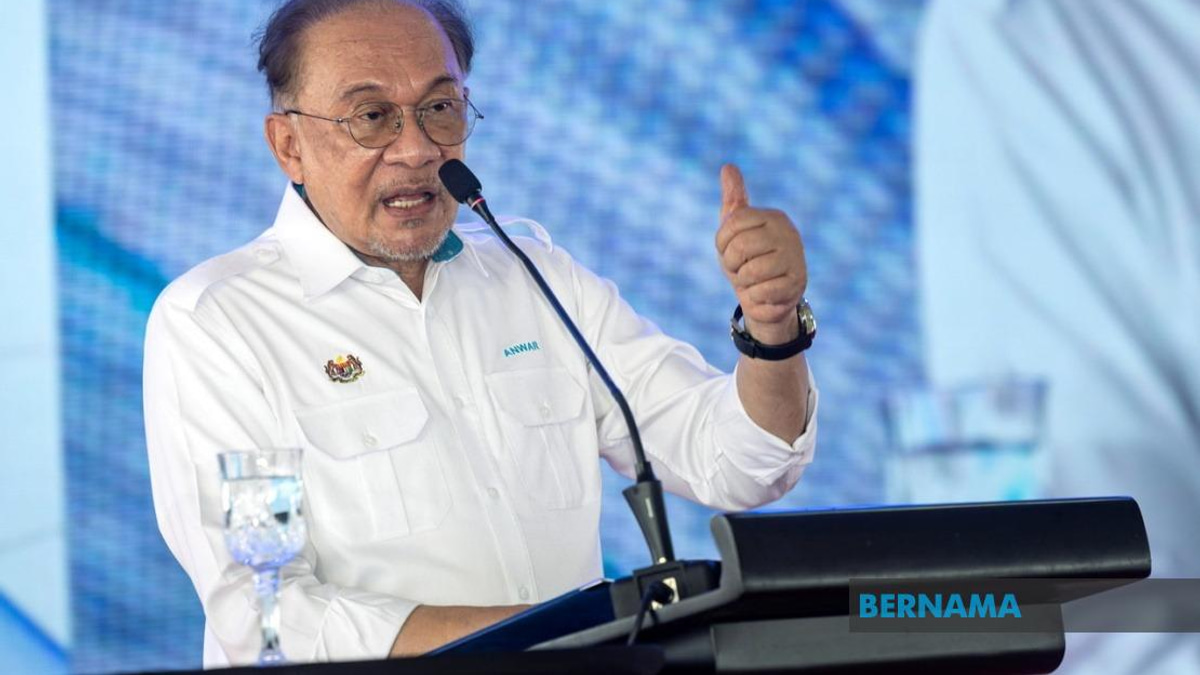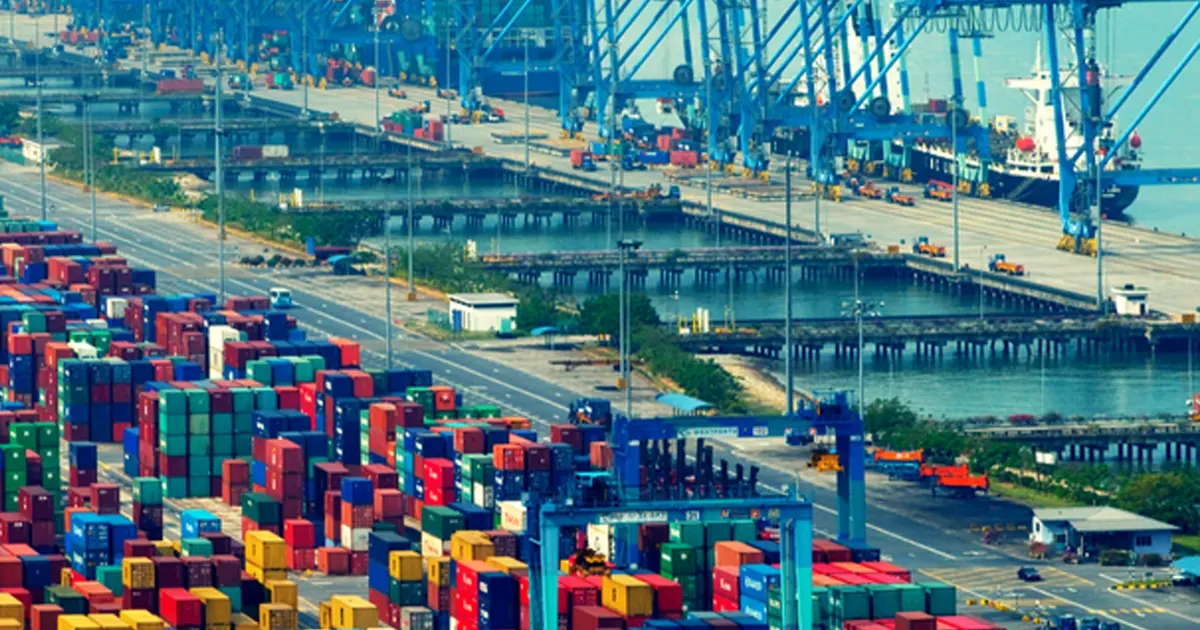
The Port Klang Free Zone has emerged from its troubled history to demonstrate tangible recovery progress, generating RM108 million in revenue while achieving an 86 per cent reactivation rate of its operational capacity. Transport Minister Loke Siew Fook announced these figures as evidence of the free zone's successful turnaround over the past 18 months, following years of regulatory challenges and operational setbacks that had severely compromised its competitiveness.
The reactivation milestone represents a watershed moment for Malaysia's maritime and logistics sector, which has long relied on the Port Klang Free Zone as a critical hub for regional trade. The steady expansion of operational tenants and the resumption of dormant facilities signal renewed confidence among international businesses in the zone's ability to serve as a reliable distribution and warehousing centre. This recovery trajectory is particularly significant given the broader economic headwinds facing port facilities across Southeast Asia, where competition from neighbouring hubs has intensified following pandemic-related disruptions to global supply chains.
The RM108 million revenue figure, while moderate in absolute terms, demonstrates that demand for free zone services persists despite the competitive pressures facing the broader Malaysian ports sector. This income stream supports the operational expenses of the zone's administration and infrastructure maintenance, while also generating government revenue through licensing and service fees. The financial viability of the facility has long been questioned by analysts who were concerned whether the zone could justify its public investment and regulatory overhead in an increasingly crowded regional marketplace.
Transport Minister Loke Siew Fook's characterisation of the growth as "steady and encouraging" reflects the government's confidence that the reactivation programme is on track to restore the free zone to meaningful profitability. The careful pace of the recovery effort suggests that management has prioritised sustainable growth over rapid expansion that might strain operational capacity or overwhelm the zone's infrastructure with demand it cannot adequately service.
The 86 per cent reactivation metric provides a clearer picture of the zone's operational status than revenue figures alone. This measure indicates how many of the zone's commercial facilities are actively engaged in business operations, as opposed to sitting idle or underutilised. The remaining 14 per cent of unutilised capacity may reflect either ongoing renovation efforts, strategic space reserves for future tenants, or facilities awaiting market conditions favourable enough to justify recommissioning.
For Malaysian businesses engaged in import-export activities, the improved functionality of the Port Klang Free Zone offers tangible advantages. The zone provides duty exemptions, streamlined customs procedures, and consolidated logistics infrastructure that can reduce handling costs and accelerate cargo processing compared to standard port facilities. As reactivation progresses, these operational efficiencies should become increasingly available to Malaysian companies competing in regional and international markets where time-to-market represents a critical competitive factor.
The recovery also carries implications for Southeast Asian trade networks more broadly. Port Klang remains strategically positioned on the Strait of Malacca, one of the world's most critical maritime passages, and a functional free zone enhances Malaysia's ability to capture value-added logistics services for regional cargo flows. This is particularly important as companies diversify supply chains away from concentration in single nations, creating opportunities for hub facilities like Port Klang to capture transshipment and distribution activities.
However, the 86 per cent reactivation rate also suggests that full recovery remains incomplete. The continued existence of unutilised capacity hints at residual challenges, whether related to infrastructure constraints, regulatory uncertainty that discourages certain business activities, or simply the time required for confidence to translate into new facility leases. Competing regional hubs like Port of Singapore and Port of Tanjung Pelepas in Johor maintain substantial advantages in certain service categories, meaning that PKFZ must continue differentiating through service quality and cost competitiveness to capture new business.
The Transport Ministry's sustained focus on the free zone reflects recognition that logistics infrastructure represents essential economic scaffolding for Malaysian commerce. Unlike consumer-facing sectors that benefit from direct visibility, port facilities and free zones operate largely out of public view, yet their efficiency substantially impacts the cost and speed of goods moving through Malaysia's economy. Government backing for PKFZ's recovery therefore extends beyond commercial considerations to encompass the broader competitiveness of Malaysian industry.
Looking forward, achieving full reactivation and growing revenue beyond the current RM108 million baseline will require sustained attention to the factors that have historically challenged the free zone. Management must continue addressing any remaining regulatory uncertainties, maintain competitive pricing relative to regional alternatives, and ensure that infrastructure investments keep pace with tenant needs. The 18-month improvement trajectory suggests these efforts are gaining traction, but the remaining 14 per cent capacity gap indicates that work remains before the facility operates at optimal efficiency.

%22%2F%3E%3C%2Fpattern%3E%3C%2Fdefs%3E%3Crect%20width%3D%22100%25%22%20height%3D%22100%25%22%20fill%3D%22url(%23ph523ndg)%22%2F%3E%3Crect%20width%3D%22100%25%22%20height%3D%22100%25%22%20fill%3D%22url(%23ph523ndp)%22%2F%3E%3Ctext%20x%3D%2250%25%22%20y%3D%2250%25%22%20text-anchor%3D%22middle%22%20dominant-baseline%3D%22central%22%20fill%3D%22rgba(255%2C255%2C255%2C0.95)%22%20font-family%3D%22Georgia%2C%20'Times%20New%20Roman'%2C%20serif%22%20font-weight%3D%22700%22%20font-size%3D%22272%22%20letter-spacing%3D%22-0.02em%22%3EAnwar%3C%2Ftext%3E%3C%2Fsvg%3E)