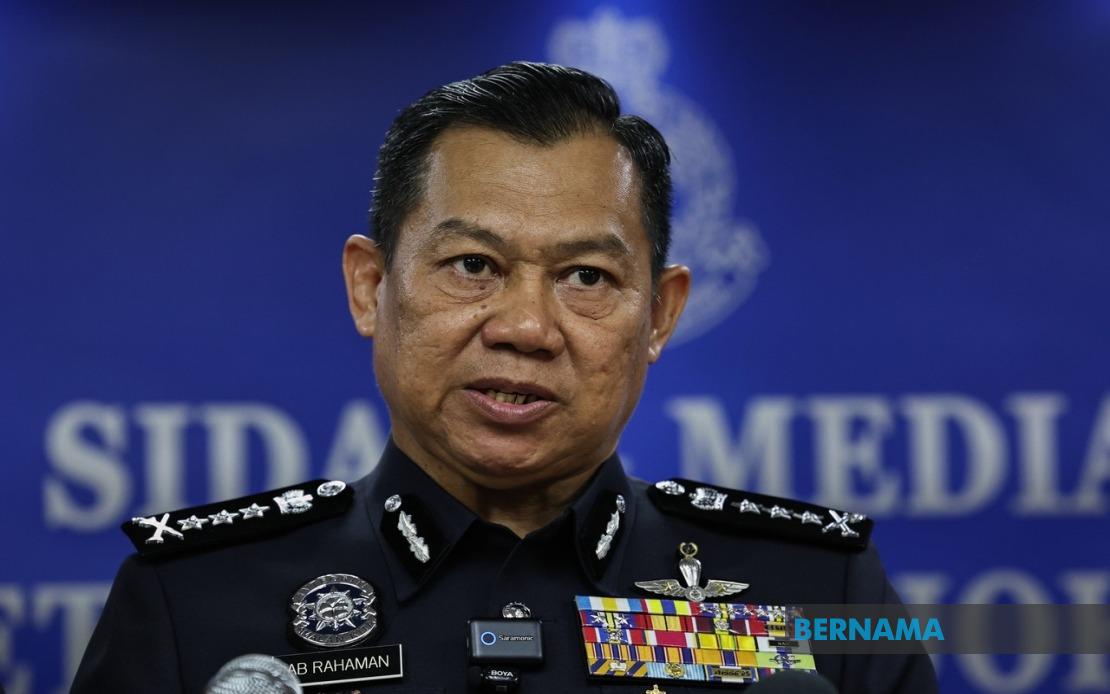
The Royal Malaysia Police will deploy a substantial force of 11,926 officers and personnel to oversee security arrangements during the Johor State Election, according to Johor Police Chief Datuk Ab Rahaman Arsad. The comprehensive deployment represents a significant mobilisation of law enforcement resources designed to guarantee the integrity of the electoral process whilst maintaining public order across the state.
The security operation will unfold across five distinct phases, with each phase calibrated to address specific requirements as the election progresses through different stages. This phased approach reflects operational doctrine developed through experience managing large-scale public events in Malaysia, allowing the police to concentrate resources where they are most needed at any given moment. Datuk Ab Rahaman outlined this strategy during a media briefing at the Johor Police Contingent Headquarters, emphasising that deployment numbers would remain flexible to accommodate evolving circumstances on the ground.
Beyond the primary police contingent, the operation will benefit from augmented personnel from the Internal Security and Public Order Department, which falls under a separate command structure. This collaborative arrangement brings together 54 additional officers and 701 other ranks from specialist units including the General Operations Force, Federal Reserve Unit, PDRM Air Unit, and Marine Police Force. The inclusion of these specialised branches signals the authorities' intention to maintain comprehensive coverage across both urban and potentially sensitive operational areas throughout the electoral period.
The deployment of such significant numbers underscores the logistical complexity inherent in managing democratic processes across a state the size of Johor. Elections in Malaysia demand sustained police presence not merely to respond to incidents but to create an environment where voters and election workers feel secure, whilst simultaneously deterring any potential misconduct. The phasing strategy allows the police to surge resources during critical moments—such as nomination day, campaigning periods, and polling day itself—without maintaining maximum deployment intensity continuously across the entire electoral calendar.
For Malaysian readers, particularly those with experience observing elections, this scale of operation reflects standard practice across the country's electoral framework. The number represents neither a minimal nor an excessive deployment relative to Johor's population and geographic spread, suggesting authorities anticipate a well-managed process without extraordinary security challenges. The involvement of air and marine units points to the police's commitment to comprehensive territorial coverage, ensuring even remote or coastal communities benefit from the security apparatus.
The coordination between PDRM and the Internal Security and Public Order Department exemplifies how Malaysia's security agencies function within an integrated command structure during major public events. The Federal Reserve Unit's inclusion is particularly noteworthy, as this elite paramilitary force is typically reserved for high-risk scenarios, indicating that contingency planning encompasses a broad spectrum of possible challenges. The General Operations Force similarly brings expertise in crowd management and tactical operations developed through long operational experience throughout the peninsula.
From a Southeast Asian perspective, Malaysia's election security approach reflects international best practices whilst maintaining compatibility with the country's constitutional framework and policing traditions. Unlike some regional neighbours where military deployment during elections remains common, Malaysia has progressively refined civilian police capabilities for electoral management. The sophistication evident in this multi-phase, multi-unit approach demonstrates institutional learning accumulated across numerous elections held since democratic competition became more competitive in the country.
The operational flexibility noted by Datuk Ab Rahaman—permitting adjustments according to real-time needs—highlights the importance of command structures that balance advance planning with responsive management. Election security differs from routine law enforcement in requiring resources positioned prophylactically rather than reactively. The ability to maintain this balance whilst minimising disruption to the electorate's normal activities represents a challenging equilibrium that seasoned police leadership must navigate throughout the polling period.
For voters and election observers, the visibility of this comprehensive security arrangement may serve multiple functions. Tangible police presence reassures those concerned about electoral integrity, whilst the transparent announcement of deployment numbers and operational phases demonstrates institutional confidence in the system's robustness. Conversely, the scale of operations may prompt discussion among analysts regarding whether such extensive resources reflect genuine security requirements or represent a broader manifestation of state capacity deployed during moments of democratic participation.
The Johor election occurs within a broader context of Malaysian electoral politics that has witnessed increased competition and closer outcomes in recent state contests. The decision to invest substantial personnel resources signals that authorities take seriously both their responsibility to safeguard the process and their obligation to ensure public confidence in electoral systems. How effectively these 11,926 officers and their supporting units ultimately manage their assigned duties will contribute to perceptions of institutional professionalism and electoral credibility—matters of genuine significance for Malaysian democracy.

%22%2F%3E%3C%2Fpattern%3E%3C%2Fdefs%3E%3Crect%20width%3D%22100%25%22%20height%3D%22100%25%22%20fill%3D%22url(%23ph523ndg)%22%2F%3E%3Crect%20width%3D%22100%25%22%20height%3D%22100%25%22%20fill%3D%22url(%23ph523ndp)%22%2F%3E%3Ctext%20x%3D%2250%25%22%20y%3D%2250%25%22%20text-anchor%3D%22middle%22%20dominant-baseline%3D%22central%22%20fill%3D%22rgba(255%2C255%2C255%2C0.95)%22%20font-family%3D%22Georgia%2C%20'Times%20New%20Roman'%2C%20serif%22%20font-weight%3D%22700%22%20font-size%3D%22272%22%20letter-spacing%3D%22-0.02em%22%3EAnwar%3C%2Ftext%3E%3C%2Fsvg%3E)