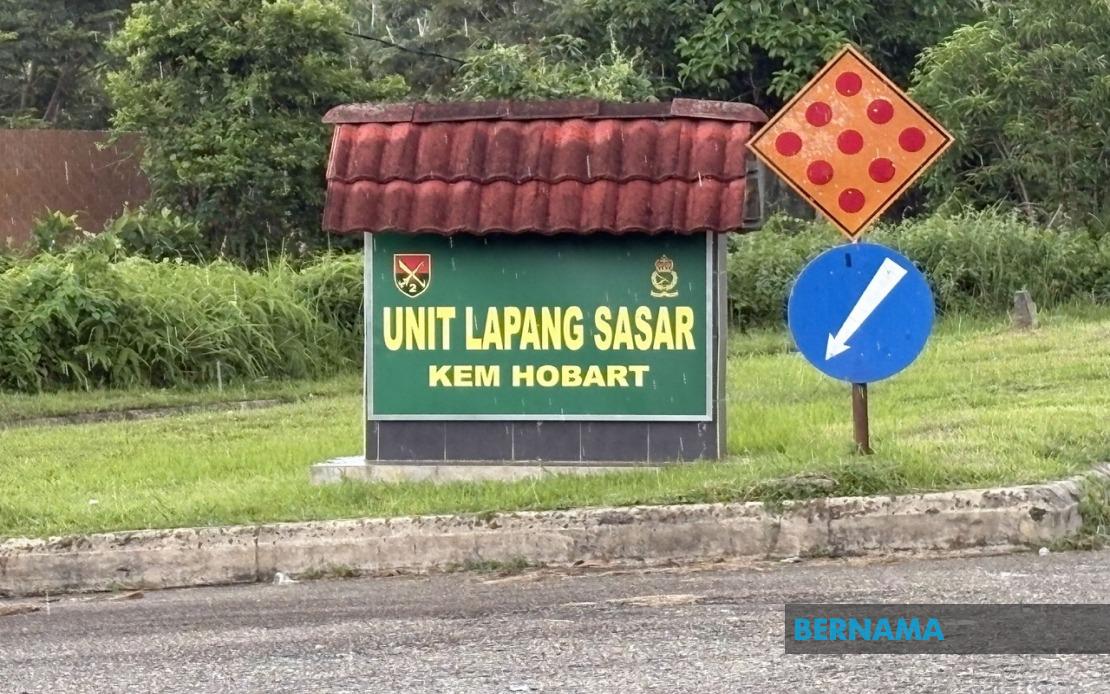
A tragic incident unfolded at Hobart Camp in Gurun on Sunday morning when a grenade-throwing exercise spiralled into disaster, claiming the lives of two Malaysian Army personnel. The explosion occurred at approximately 10:57 am during a combat enhancement training session, prompting an immediate police investigation into the circumstances surrounding the deaths. Kuala Muda police chief ACP Hanyan Ramlan confirmed that authorities have classified the matter as a sudden death case and begun formal inquiries to determine what went fatally wrong during the routine military drill.
The two victims have been identified as Corporal Norazmi Abu Bakar from the Sixth Battalion of the Royal Malay Regiment and Private Siti Khadijah Sungip from the First Squadron of the Royal Malaysian Engineers Regiment. Both were participating in the heavy weapons component of the training programme under the auspices of the Combat Enhancement Training initiative when the explosion occurred. The blast inflicted injuries severe enough to necessitate immediate hospitalisation, but despite emergency medical intervention, both personnel were pronounced dead while being transported to Sultan Abdul Halim Hospital in nearby Sungai Petani.
The Malaysian Army's First Squadron Royal Malaysian Engineers Regiment and the Second Infantry Division had organised the exercise as part of their regular combat readiness protocols. Such training sessions are integral to maintaining operational capacity and ensuring personnel can handle munitions safely in field conditions. However, the incident at Hobart Camp underscores the inherent dangers associated with live weapons training, where even minor procedural lapses can result in catastrophic outcomes. The military has not yet released preliminary findings regarding whether the explosion resulted from operator error, equipment malfunction, or other factors.
Police have initiated a comprehensive investigation framework centred on gathering testimonies from witnesses who were directly present during the exercise. ACP Hanyan Ramlan emphasised that authorities would secure cooperation from all relevant parties, including military officials and fellow trainees, to reconstruct the sequence of events leading to the explosion. These witness statements will form the evidentiary backbone of the inquiry, helping investigators establish whether established safety protocols were followed and identify any contributing factors to the tragedy.
The remains of both victims were transferred to Sultanah Bahiyah Hospital in Alor Setar for post-mortem examinations, a standard procedure in sudden death cases. These autopsies will provide medical insight into the extent and nature of injuries sustained, potentially informing whether certain safety measures might have prevented fatalities or mitigated harm. Post-mortem findings frequently assist investigators in understanding blast dynamics and victim positioning at the moment of detonation, details that can clarify investigative conclusions.
This incident represents a sobering reminder of occupational hazards facing military personnel across Southeast Asia. Malaysia's armed forces, like those throughout the region, regularly conduct live weapons training to maintain combat effectiveness and readiness. While such exercises are essential for operational preparedness, they inherently carry elevated risks that cannot be entirely eliminated. The loss of trained personnel impacts not only individual military units but also broader force structure and operational capability, particularly given the extended training period required to develop proficient heavy weapons operators.
The sudden death classification adopted by police reflects procedural requirements when fatalities occur under circumstances requiring clarification. This investigative approach provides a neutral framework for examining incidents without presuming any particular cause or culpability. The classification enables thorough examination of all contributing factors whilst allowing the military and police to coordinate their respective responsibilities in establishing facts and, where appropriate, determining accountability.
For Malaysian military leadership, such incidents prompt necessary reviews of training protocols, equipment maintenance standards, and personnel certification procedures. The Royal Malaysian Engineers Regiment and broader Defence Ministry will likely conduct internal reviews to assess whether additional safety measures or modified procedures could enhance protection during similar exercises. Such reviews often lead to revised training schedules, enhanced pre-exercise briefings, or equipment upgrades that reflect lessons learned from previous incidents.
The tragedy also carries implications for military recruitment and retention, as service members and potential recruits must balance patriotic duty against occupational risks. While training accidents remain statistically uncommon relative to total exercise hours conducted annually, highly publicised incidents can influence public perception of military safety culture and personnel confidence in command-level risk management. Transparent investigation processes and clear communication regarding findings become important for maintaining institutional credibility and demonstrating commitment to personnel welfare.
As police continue their investigation and military authorities conduct parallel reviews, the focus remains on thoroughly understanding how this preventable tragedy occurred. The statements from witnesses present during the exercise will provide crucial perspectives on training progression, safety briefings, equipment condition, and individual actions immediately preceding the explosion. These investigative elements will ultimately inform whether this incident represents an isolated accident or whether systemic improvements are necessary to prevent recurrence.