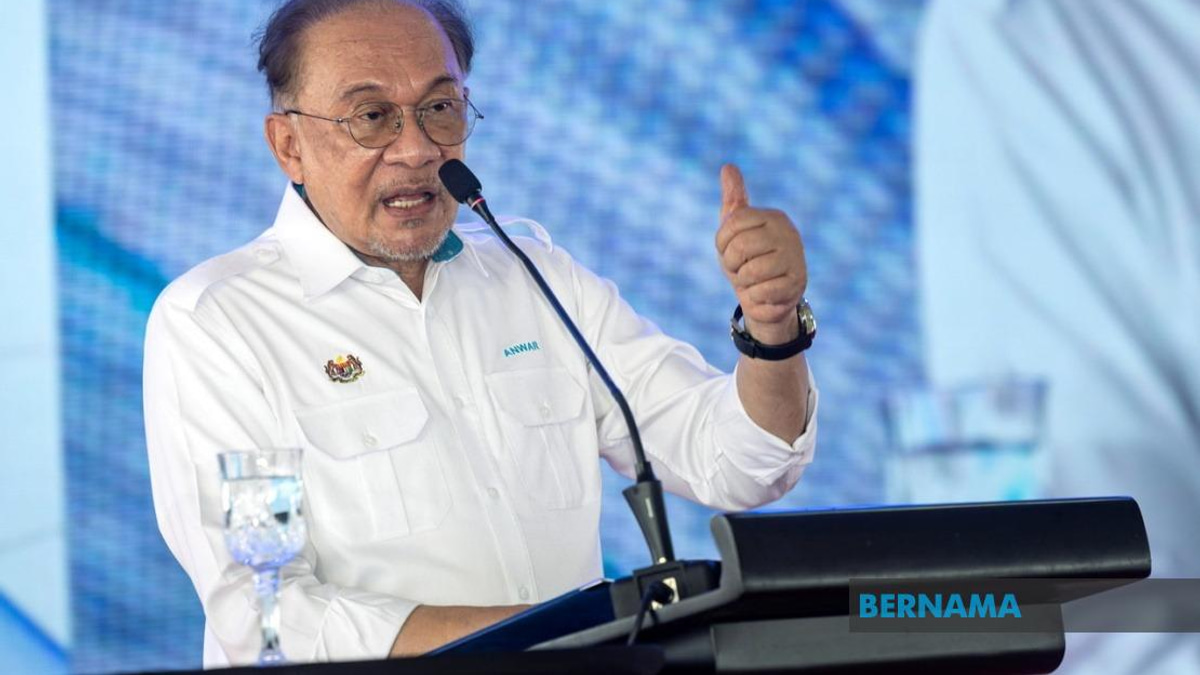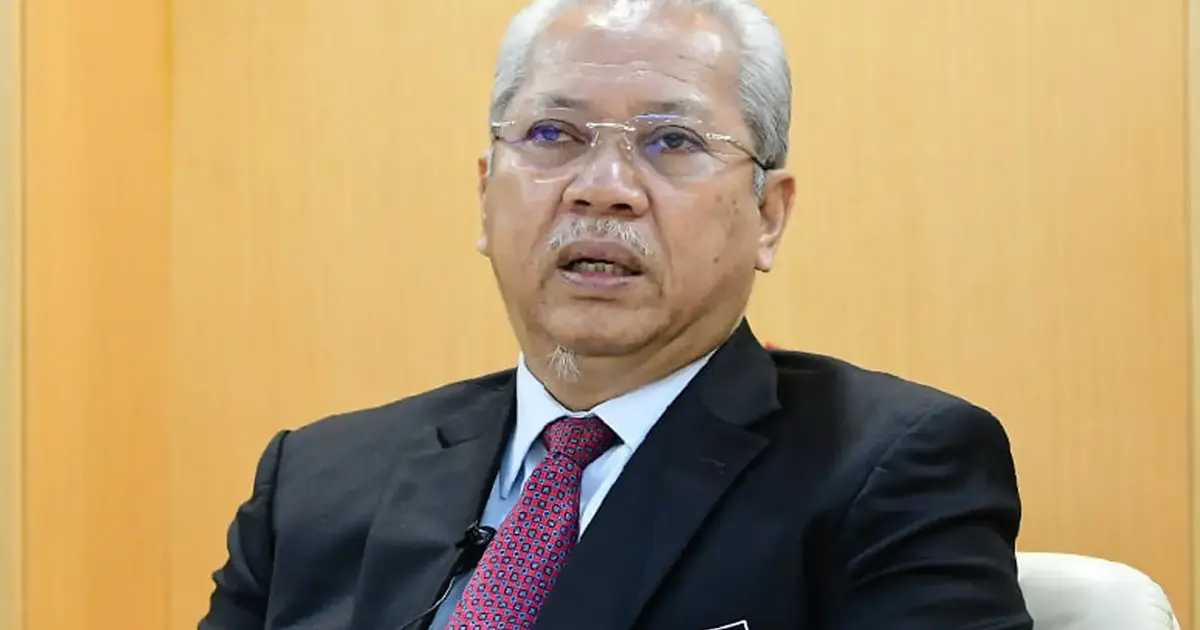
Perikatan Nasional is set to confront mounting tensions within its ranks by convening a Supreme Council meeting on Monday to determine critical matters affecting the coalition's future, particularly regarding Bersatu's standing and the authority to deploy the PN logo in upcoming state elections. Information chief Annuar Musa indicated that the gathering represents a decisive moment for the four-party alliance, which has faced escalating internal friction over organisational structure and electoral strategy in recent weeks.
The core issue centres on Bersatu's continued membership within PN and whether the party retains the right to use the coalition's official logo in electoral contests. These questions have generated considerable uncertainty within political circles, as disagreements over coalition mechanics threaten to undermine PN's cohesion ahead of crucial state-level contests. Annuar Musa's public acknowledgment that only the Supreme Council possesses the authority to resolve such matters signals recognition that lower-level discussions have proven insufficient to bridge the divides separating coalition partners.
For Malaysian political observers, the timing of this meeting carries particular significance. The Johor and Negeri Sembilan state elections represent critical tests for PN's ability to function as an effective electoral force. These contests will offer early indicators of whether the coalition can translate its parliamentary support into sustained state-level dominance. Any internal fracturing visible during these campaigns could weaken PN's competitive position against Pakatan Harapan and other rival coalitions.
Bersatu's position within PN has proven contentious since the coalition's formal establishment. The Malay-majority party brings substantial influence in key constituencies, particularly in Peninsular Malaysia, yet its organisational autonomy and status relative to other coalition members—principally PAS and the smaller components—has remained ambiguous. The logo dispute reflects deeper anxieties about whether Bersatu functions as an equal partner or occupies a subordinate position within the broader PN framework.
The Supreme Council meeting will need to address seat allocation mechanisms for both Johor and Negeri Sembilan, translating abstract coalition principles into concrete electoral arrangements. This task requires calibrating the competing interests of multiple parties operating under a unified banner while respecting regional political dynamics and factional considerations within each party. The negotiations will test PN's capacity to achieve consensus under pressure.
For Southeast Asian and Malaysian political analysts, PN's internal management challenges illustrate broader difficulties facing multi-party coalitions in democratic systems. Unlike single-party governments, coalition arrangements demand continuous negotiation and compromise on matters ranging from policy to electoral strategy. The public airing of PN's disagreements, whether through media statements or behind-closed-door meetings, potentially signals weakness to opposition rivals while creating opportunities for dissident voices within coalition parties to demand concessions.
The Johor elections hold particular weight given the state's historical importance as a Barisan Nasional stronghold. PN's performance there will indicate whether the coalition has genuinely displaced the traditional ruling coalition or merely achieved temporary parliamentary advantage. Similarly, Negeri Sembilan contests will test PN's capacity to consolidate support in states where its presence remains less established compared to strongholds such as Kedah and Kelantan.
Annuar Musa's statement emphasises that unilateral decisions cannot resolve these matters, suggesting that despite PN's parliamentary majority, internal dynamics require genuine consultation among coalition components. This constraint reflects the reality that governing coalitions depend on maintaining membership satisfaction—departures or open conflict threaten electoral calculations and legislative stability. The Monday meeting therefore represents not merely administrative procedure but a test of political will and compromise.
Observers will scrutinise whether the Supreme Council meeting produces clear, binding decisions or merely papering over divisions temporarily. The specificity with which the council addresses logo usage and seat allocations will indicate PN's institutional maturity and decision-making effectiveness. Ambiguous outcomes could foreshadow continued friction during campaign periods, potentially disadvantaging PN candidates who require unified organisational support.
The broader implications extend beyond these two state elections. How PN manages current tensions will establish precedents for future coalition operations and signal to members whether their interests receive genuine consideration. Additionally, successful resolution could strengthen PN's position ahead of eventual federal-level contests, while continued discord might encourage opposition parties to accelerate efforts exploiting these fractures.
For Malaysian voters and political stakeholders, the Supreme Council meeting represents an opportunity to assess whether PN possesses the institutional coherence necessary to govern effectively as a coalition. The decisions reached regarding Bersatu's status and electoral mechanics will demonstrate whether PN can balance competing party interests with broader coalition objectives—a challenge that will determine its longevity and effectiveness as Malaysia's governing force.

%22%2F%3E%3C%2Fpattern%3E%3C%2Fdefs%3E%3Crect%20width%3D%22100%25%22%20height%3D%22100%25%22%20fill%3D%22url(%23ph523ndg)%22%2F%3E%3Crect%20width%3D%22100%25%22%20height%3D%22100%25%22%20fill%3D%22url(%23ph523ndp)%22%2F%3E%3Ctext%20x%3D%2250%25%22%20y%3D%2250%25%22%20text-anchor%3D%22middle%22%20dominant-baseline%3D%22central%22%20fill%3D%22rgba(255%2C255%2C255%2C0.95)%22%20font-family%3D%22Georgia%2C%20'Times%20New%20Roman'%2C%20serif%22%20font-weight%3D%22700%22%20font-size%3D%22272%22%20letter-spacing%3D%22-0.02em%22%3EAnwar%3C%2Ftext%3E%3C%2Fsvg%3E)