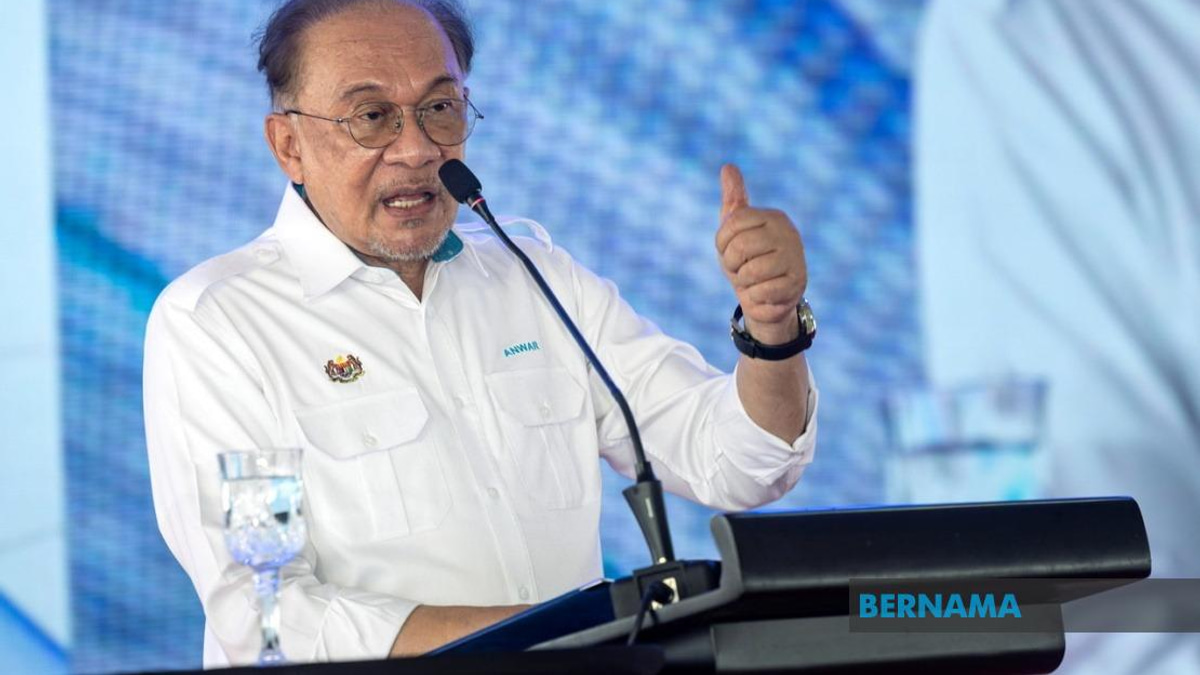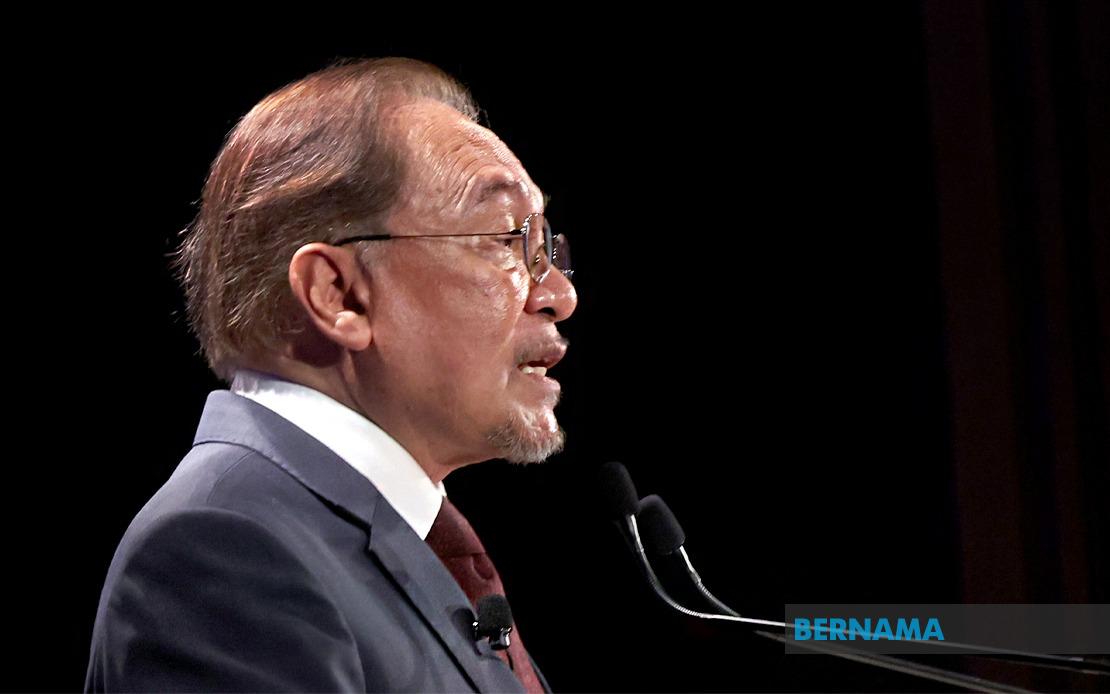
Prime Minister Datuk Seri Anwar Ibrahim is set for an intensive schedule on the second and final day of his official visit to Turkmenistan, the Central Asian nation bordering the Caspian Sea. The packed itinerary reflects the strategic importance Malaysia places on deepening diplomatic and economic engagement with a key regional player in Central Asia.
The day begins at the Presidential Palace in Ashgabat, where President Serdar Berdimuhamedov will extend an official welcome before the two leaders proceed to a one-on-one discussion. This private meeting will be followed by a broader bilateral negotiation session, during which delegations from both nations will be present. The talks are expected to set the tone for the substantive discussions that will dominate the remainder of the visit, with particular emphasis on identifying fresh cooperation opportunities across multiple economic sectors.
Expectations are high that the two nations will explore pathways to strengthen their partnership in several domains simultaneously. Trade and investment remain paramount, but energy cooperation—particularly in oil and gas—features prominently given Turkmenistan's hydrocarbon resources and Malaysia's interests in diversifying supply chains and exploration opportunities. Agriculture and commodities trading, tourism development, educational exchanges, digital transformation initiatives, and collaborative research in science and technology are also on the agenda. This multifaceted approach suggests Malaysia is cultivating a relationship that extends well beyond transactional commerce into deeper structural ties.
The leaders will also engage on broader geopolitical matters of shared concern. Regional developments affecting the Association of Southeast Asian Nations (ASEAN) are likely to feature in discussions, as Turkmenistan seeks to understand Malaysia's perspective on Asian affairs. Similarly, Central Asian regional dynamics—encompassing relations with neighbouring Kazakhstan, Uzbekistan, Afghanistan, Iran, and other players in the zone—will be examined from mutual viewpoints. Such exchanges underscore the value both capitals place on understanding each other's strategic outlooks.
A series of formal documents will be exchanged and signed during the bilateral meeting, cementing the visit's diplomatic purpose. The two governments will issue a joint statement outlining shared commitments and vision. Several bilateral agreements and memoranda of understanding will be activated, including a crucial Air Services Agreement that will facilitate easier travel between the two nations. Particularly significant is an MoU linking Malaysia's foreign affairs institute with its Turkmenistan counterpart, strengthening institutional dialogue at the bureaucratic level.
Additional agreements span critical infrastructure and development sectors. The Ministry of Transport will sign an MoU with Turkmenistan's State Service for Transport cooperation. Malaysia's Academy of Sciences will formalize collaboration with the Academy of Sciences of Turkmenistan, promising avenues for joint research and technological advancement. Multiple documents in oil and gas exploration and development will also be witnessed, reflecting the significance of energy partnership given Petronas's substantial presence in the country.
Following the formal meetings, Prime Minister Anwar will be hosted at a luncheon by President Berdimuhamedov at the Presidential Palace. The midday meal provides an informal setting where the two leaders and their senior advisers can continue conversations initiated in the formal sessions. Subsequently, the Prime Minister will perform Friday prayers at the Turkmenbashi Ruhy Mosque, a gesture that underscores Malaysia's respect for Turkmenistan's Islamic heritage and demonstrates the cultural dimensions of bilateral relations extending beyond commerce and politics.
In the afternoon, Prime Minister Anwar and President Berdimuhamedov will jointly inaugurate the Malaysia-Turkmenistan Forum at the Chamber of Commerce and Industry of Turkmenistan. This business-focused platform is designed to bring together Malaysian and Turkmen entrepreneurs, investors, and companies to explore commercial opportunities and partnerships. The joint officiating of this forum by both leaders signals governmental backing for private-sector engagement and suggests optimism about expanding commercial ties in the years ahead.
Prime Minister Anwar is accompanied by a high-level delegation including Minister of Investment, Trade and Industry Datuk Seri Johari Abdul Ghani and Minister of Economy Akmal Nasrullah Mohd Nasir, alongside relevant officials from the Prime Minister's Office and Foreign Ministry. This composition reflects the visit's multidimensional nature, spanning trade, investment, foreign policy, and economic coordination. Before departing Ashgabat, the Prime Minister will conduct a press conference addressing Malaysian media, providing an opportunity to articulate the visit's outcomes and significance to the Malaysian public.
Ashgabat itself holds distinctive significance as the world's white marble capital. The city holds the Guinness World Record for the highest concentration of white marble-clad buildings, with over 500 structures featuring this distinctive material. Its monumental architecture, extensive gold-leaf accents, and immaculate broad avenues create a striking urban landscape that reflects the nation's aspirations and resources. The city's physical character often serves as a symbol of Turkmenistan's ambitions and modernization efforts.
For Malaysia, Turkmenistan represents a growing economic partner in Central Asia. In 2025, Turkmenistan ranked as Malaysia's fourth largest trading partner among Central Asian nations, with bilateral trade reaching RM75.80 million. Malaysian exports to Turkmenistan totalled RM75.50 million, representing a 9 per cent increase year-on-year and indicating strengthening commercial momentum. These figures, while modest in Malaysia's global trade context, suggest deepening commercial relationships and market penetration.
Petronas has established itself as a cornerstone of economic cooperation, with total investments in Turkmenistan reaching RM52.73 billion since commencing operations in 1996. This substantial commitment positions Malaysia as a significant foreign investor in the Central Asian nation's energy sector and creates powerful vested interests in maintaining stable, productive bilateral relations. The energy company's long tenure in Turkmenistan provides Malaysian government with leverage and insights into the business environment, supporting informed policymaking.
The visit reflects a broader Malaysian strategy of cultivating relationships across diverse regions and leveraging diplomatic engagement for economic gain. Central Asia, often overlooked in Southeast Asian foreign policy discussions, offers Malaysia opportunities in energy, trade, and investment while providing a platform for projecting soft power and building networks that may yield geopolitical benefits as the region's importance to global affairs potentially increases.

%22%2F%3E%3C%2Fpattern%3E%3C%2Fdefs%3E%3Crect%20width%3D%22100%25%22%20height%3D%22100%25%22%20fill%3D%22url(%23ph523ndg)%22%2F%3E%3Crect%20width%3D%22100%25%22%20height%3D%22100%25%22%20fill%3D%22url(%23ph523ndp)%22%2F%3E%3Ctext%20x%3D%2250%25%22%20y%3D%2250%25%22%20text-anchor%3D%22middle%22%20dominant-baseline%3D%22central%22%20fill%3D%22rgba(255%2C255%2C255%2C0.95)%22%20font-family%3D%22Georgia%2C%20'Times%20New%20Roman'%2C%20serif%22%20font-weight%3D%22700%22%20font-size%3D%22272%22%20letter-spacing%3D%22-0.02em%22%3EAnwar%3C%2Ftext%3E%3C%2Fsvg%3E)