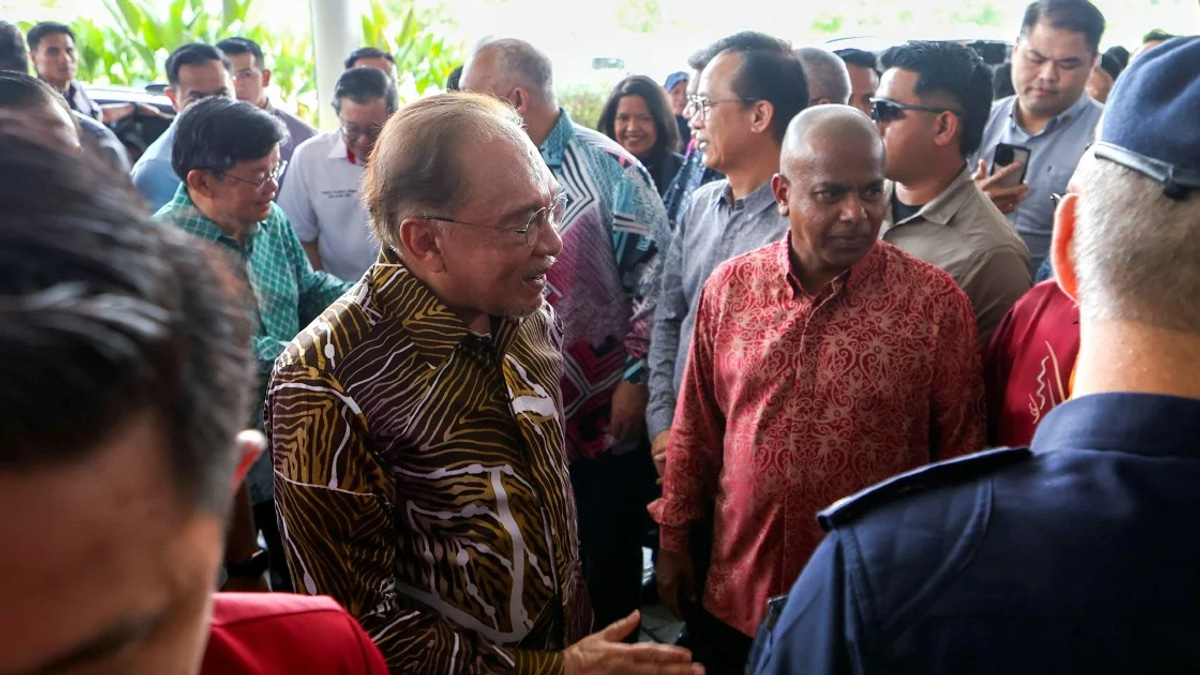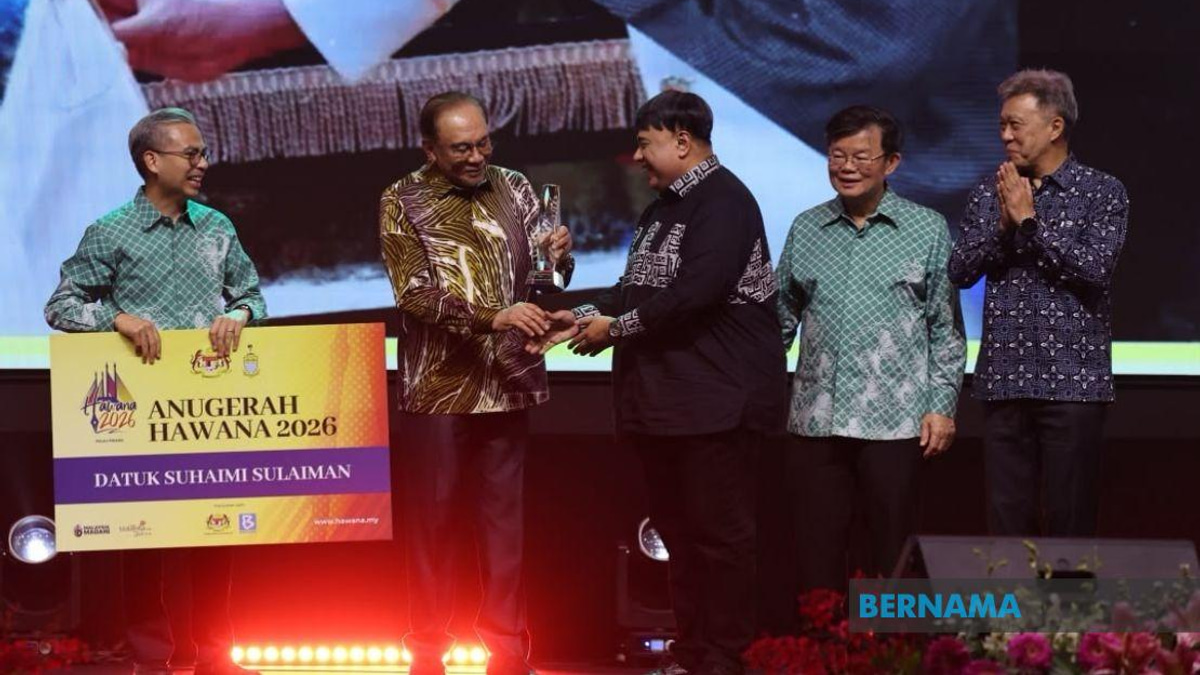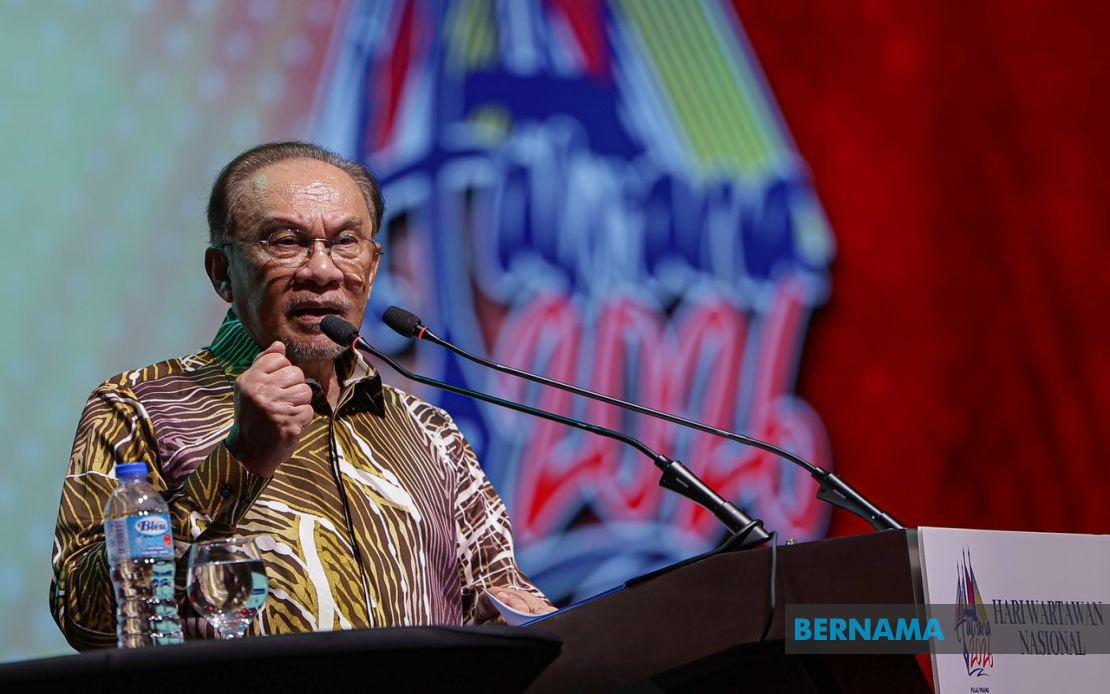
Prime Minister Datuk Seri Anwar Ibrahim has publicly endorsed the appointment of former Federal Court judge Tan Sri Nallini Pathmanathan as the new chairman of the Malaysian Media Council, viewing her elevation as a significant move to rehabilitate the council's reputation and public standing. Speaking at the National Journalists' Day (HAWANA) 2026 event in Butterworth on June 20, Anwar expressed optimism that Nallini's background and integrity would inject fresh credibility into an institution tasked with overseeing media standards across the country. The Prime Minister's explicit backing underscores the government's recognition that public trust in media regulatory bodies remains fragile in Malaysia, requiring leadership figures with demonstrated judicial pedigree and unblemished records.
Anwar emphasised that Nallini's selection followed rigorous deliberation, with her extensive experience on the Federal Court bench and established reputation for integrity serving as primary factors in the decision-making process. This careful vetting process was designed to signal to the broader Malaysian public that the council's governance would henceforth rest in capable, principled hands. The Prime Minister's comments reveal an implicit acknowledgment that previous iterations of media oversight bodies have faced credibility challenges, necessitating the appointment of someone whose track record transcends political controversy. By attaching his personal endorsement to Nallini's appointment, Anwar sought to frame the decision not merely as a bureaucratic staffing matter but as a substantive commitment to strengthening democratic institutions.
Nallini's appointment was unanimously ratified by the Malaysian Media Council board on May 26, reflecting consensus among member organisations about her suitability for the role. This unanimous endorsement carries particular significance because it suggests that diverse stakeholder groups—including news organisations, journalists' associations, and public interest representatives—saw in Nallini a figure capable of commanding respect across traditionally fractious divides within Malaysia's media landscape. The board's decisive backing provides institutional legitimacy that may help the council navigate the contentious terrain of media regulation, where decisions inevitably attract criticism from multiple quarters.
The Malaysian Media Council itself was established under the Malaysian Media Council Act 2025 as a self-regulatory framework designed to elevate journalistic standards, process public complaints against media outlets, promote ethical conduct in reporting, and protect media freedom as a foundational democratic value. This institutional design reflects an emerging consensus that media governance in Malaysia should operate at arm's length from direct government control while remaining accountable to professional and public standards. The council's mandate encompasses several interlocking functions: ensuring journalists adhere to codes of conduct, investigating complaints about media conduct, and advocating for editorial independence against undue pressure. For these purposes, a chairman of unquestionable integrity becomes essential, as the role demands credibility with both news organisations and the general public.
The presence of senior government officials at the HAWANA event—including Penang Chief Minister Chow Kon Yeow, Communications Minister Datuk Fahmi Fadzil, and various ministry deputies—signalled the government's serious engagement with media governance matters and its commitment to elevating professional standards in journalism. Communications Minister Fahmi's attendance particularly underscores the interconnection between ministerial responsibilities for media policy and the independent council structure, suggesting coordination between government communication priorities and professional self-regulation. The broad official participation also served to elevate Nallini's appointment beyond routine administrative announcements, framing it instead as a significant governance milestone worthy of high-level government acknowledgment.
For Malaysian media stakeholders, Nallini's appointment potentially represents a turning point in how the country approaches media regulation. Her judicial background brings familiarity with constitutional principles governing press freedom, case law on media liability, and the delicate balance between public interest and editorial autonomy. This judicial lens may help the council navigate complex disputes that have historically strained relations between news organisations and regulatory authorities. A chairman with Federal Court experience understands the constraints imposed by constitutional guarantees of freedom of expression and the risks of regulatory overreach, potentially positioning the council as a genuine defender of journalistic independence rather than a tool for external pressure.
The appointment arrives at a moment when Malaysian media faces multiple pressures: from digital disruption affecting business models, from misinformation and viral falsehoods circulating online, and from ongoing debates about the proper boundaries between editorial freedom and social responsibility. A well-regarded regulatory body under respected leadership could help the industry collectively address these challenges through professional standards rather than defensive fragmentation. The council, under Nallini's stewardship, might facilitate dialogue between news organisations and the public, building social consensus around media ethics in an increasingly polarised information environment.
Internally, Nallini's appointment signals to media professionals that the regulatory framework takes judicial integrity seriously rather than treating council leadership as a political sinecure. Her presence as chairman establishes a precedent that governance of professional bodies benefits from distinguished external figures whose credibility transcends narrow institutional or partisan interests. This approach contrasts with regulatory models where leadership roles become extensions of political patronage networks, potentially enhancing the council's moral authority when adjudicating disputes between journalists and complainants.
For the broader regional context, Malaysia's investment in strengthening media self-regulation reflects broader Southeast Asian trends toward addressing media challenges through professional governance rather than state intervention alone. Countries across the region grapple with balancing media freedom, journalistic accountability, and social stability in an age of digital abundance and algorithmic amplification. Nallini's appointment, backed by visible prime ministerial support, positions Malaysia within this regional conversation as a jurisdiction attempting to establish robust, credible mechanisms for media oversight that satisfy both professional and public interests. The success or failure of this experiment may influence how other Southeast Asian democracies approach their own media governance frameworks.