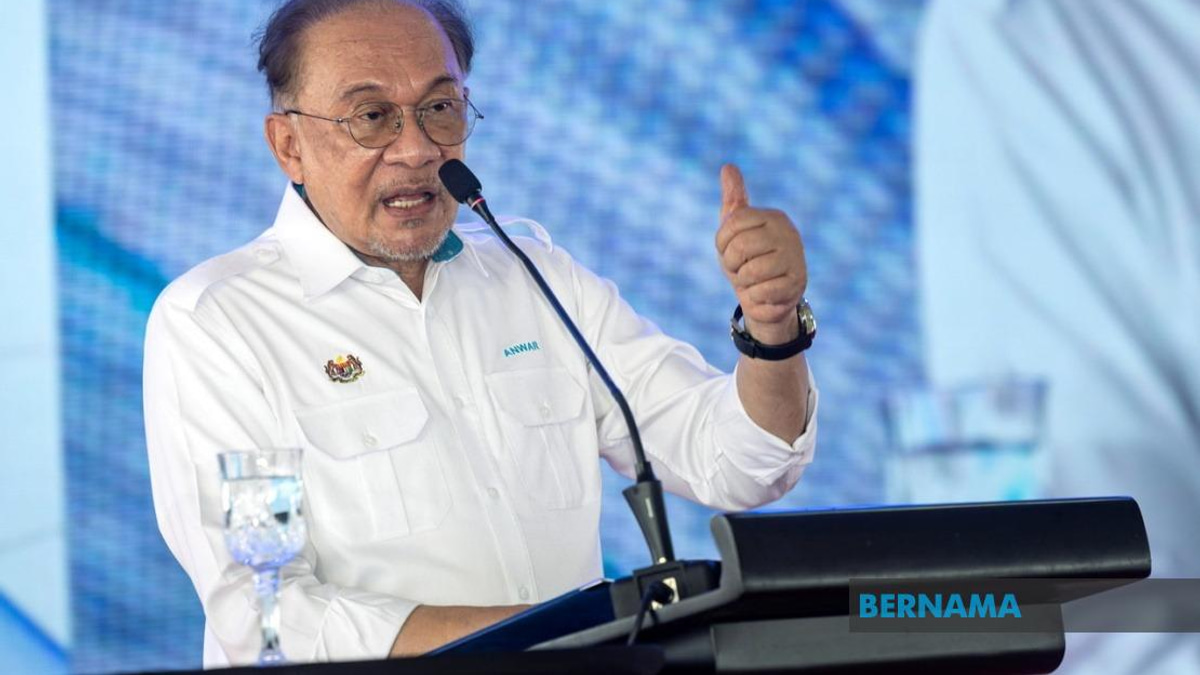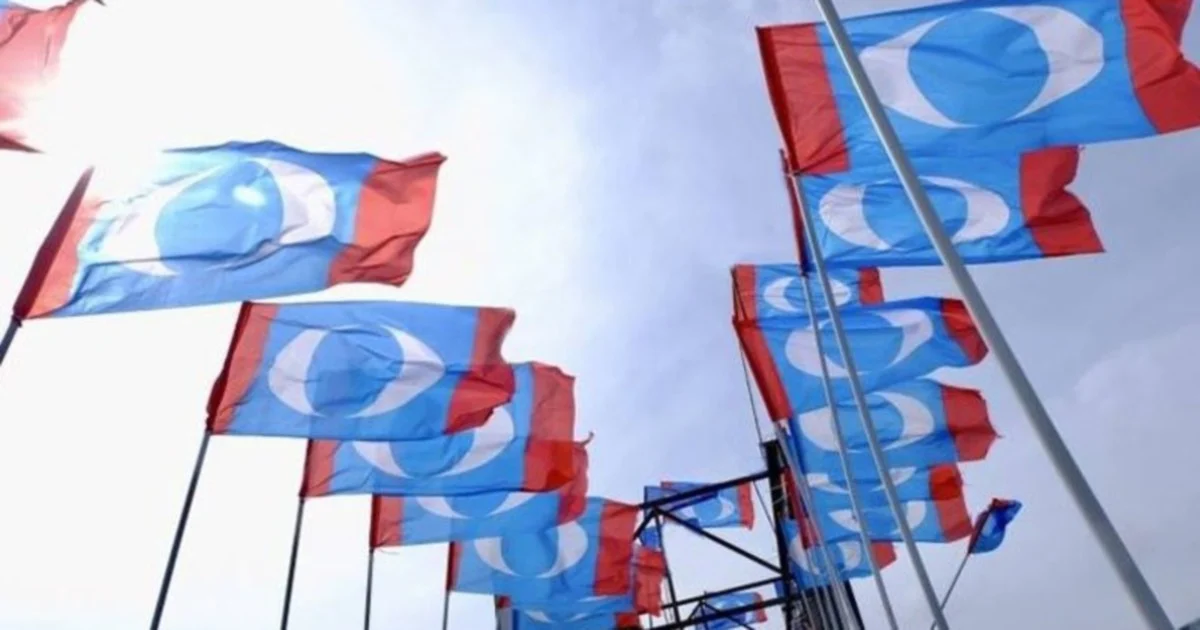
The People's Justice Party has moved into the final stages of preparation for upcoming state elections in Johor and Negri Sembilan, with party secretary-general Datuk Dr Fuziah Salleh confirming that candidate selections are almost locked in. Speaking in Johor Baru, the senior party official indicated that the nomination process is 99 per cent complete, signalling that PKR is in the advanced phases of electoral readiness across two key peninsular states.
The near-completion of candidate lists represents a significant milestone in PKR's campaign machinery as the party prepares to contest what are expected to be closely-watched state-level contests. The timing of this announcement reflects the urgency surrounding both elections, suggesting that formal nominations may be submitted imminently to state election commissions. For PKR, which has positioned itself as a reform-oriented coalition partner in the Pakatan Harapan alliance, securing strong performances in Johor and Negri Sembilan would be strategically important ahead of any future national political developments.
Johor and Negri Sembilan represent different electoral terrains for the opposition coalition. Johor, Malaysia's second-largest state by population, has traditionally been a stronghold of the United Malays National Organisation, though recent election cycles have shown shifts in voter preferences. Negri Sembilan, a smaller but politically significant state, presents its own unique dynamics with a mixed urban-rural composition. PKR's ability to field competitive candidates in both states will partly determine whether Pakatan Harapan can make meaningful inroads or consolidate existing support bases.
The confirmation by Fuziah Salleh provides rare insight into the internal machinery of candidate selection, a process typically shrouded in secrecy until formal announcements. That the party is willing to publicly acknowledge being at the 99 per cent stage suggests confidence in its preparations and a desire to project organisational competence to party members and voters. The remaining one per cent likely involves final adjustments, potential last-minute candidate swaps due to eligibility issues, or strategic repositioning in marginal constituencies.
Candidate selection in Malaysian politics often generates internal tensions and factional disputes, particularly in larger opposition parties where multiple power blocs compete for influence. PKR, having experienced its share of such challenges in recent years, has sought to develop more transparent and merit-based nomination processes. The near-completion of candidate lists without major public controversies would suggest that the party has managed these internal dynamics relatively smoothly, though behind-the-scenes negotiations likely remain ongoing.
For voters in both states, the finalisation of candidate rosters marks an important moment when they can begin assessing the quality and credibility of individuals seeking their votes. In recent Malaysian elections, candidate quality and local rootedness have emerged as significant factors influencing electoral outcomes, with voters increasingly scrutinising academic credentials, professional backgrounds, and perceived integrity of nominees. PKR's selections will be analysed against these criteria by both supporters and critics.
The timing also has implications for coalition dynamics within Pakatan Harapan. Coordination among PKR, the Democratic Action Party, and the National Trust Party—as well as potential arrangements with other opposition figures—requires synchronised candidate announcements. Any delays or disputes could complicate these inter-party negotiations and potentially strengthen the hand of coalition rivals seeking concessions in other constituencies or future political arrangements.
Both Johor and Negri Sembilan elections hold broader significance for Malaysian politics beyond their immediate electoral value. Johor, in particular, carries symbolic weight as a state long considered a government bastion, and any significant PKR-led opposition gains would reverberate through national political calculations. Conversely, strong performances would provide Pakatan Harapan with momentum and confidence ahead of potential Dewan Rakyat dissolution scenarios that analysts have periodically speculated about.
The near-finalisation of candidate lists also allows PKR and its allies to shift focus toward campaign strategy and grassroots mobilisation. With nominations essentially locked in, campaign teams can concentrate on voter outreach, messaging refinement, and organisational coordination. This transition from internal selection to external campaigning represents a critical juncture where party focus shifts from internal management to public engagement and vote-winning activities.
Fuziah Salleh's statement, while relatively brief, carries weight as an official confirmation from one of PKR's top leadership positions. As party secretary-general, her role involves overseeing organisational matters and ensuring procedural compliance, making her an appropriate spokesperson for candidate-related announcements. The fact that she specifically cited the 99 per cent completion figure suggests deliberate messaging, likely designed to demonstrate preparedness while leaving theoretical room for minor last-minute adjustments without appearing disorganised.
Looking ahead, the formal release of candidate lists will provide Malaysian political observers with substantial material for analysis. Electoral analysts will examine demographic diversity, gender representation, incumbent status, and geographic distribution of nominated candidates as indicators of PKR's strategic priorities. Media and opposition figures will scrutinise individual candidates' backgrounds and credentials, particularly in marginal seats where selection choices may prove decisive in determining outcomes.

%22%2F%3E%3C%2Fpattern%3E%3C%2Fdefs%3E%3Crect%20width%3D%22100%25%22%20height%3D%22100%25%22%20fill%3D%22url(%23ph523ndg)%22%2F%3E%3Crect%20width%3D%22100%25%22%20height%3D%22100%25%22%20fill%3D%22url(%23ph523ndp)%22%2F%3E%3Ctext%20x%3D%2250%25%22%20y%3D%2250%25%22%20text-anchor%3D%22middle%22%20dominant-baseline%3D%22central%22%20fill%3D%22rgba(255%2C255%2C255%2C0.95)%22%20font-family%3D%22Georgia%2C%20'Times%20New%20Roman'%2C%20serif%22%20font-weight%3D%22700%22%20font-size%3D%22272%22%20letter-spacing%3D%22-0.02em%22%3EAnwar%3C%2Ftext%3E%3C%2Fsvg%3E)