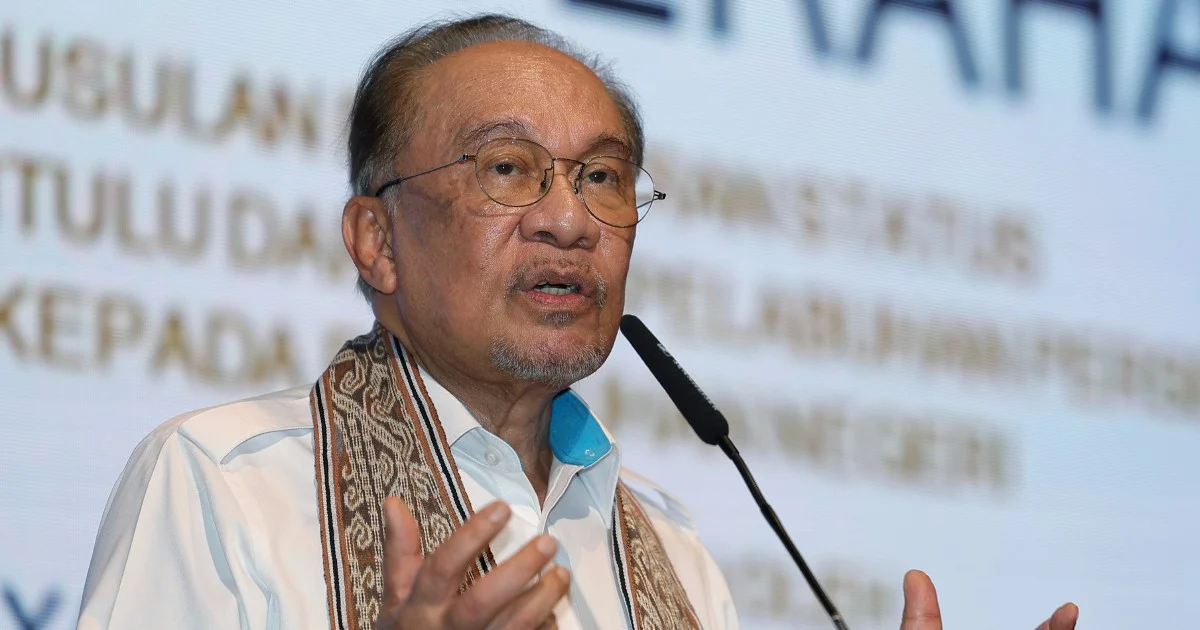
Negotiations between Malaysia's two major state-controlled petroleum companies, Petronas and Petros, are making constructive headway, Prime Minister Datuk Seri Anwar Ibrahim indicated during remarks in Kuching. The development suggests movement toward reconciling the interests of two entities that have historically operated within overlapping spheres of Malaysia's energy landscape, each wielding significant influence over national hydrocarbon resources and their commercial exploitation.
The talks represent a significant diplomatic undertaking, given the complexity of Malaysia's petroleum governance structure. Petronas, the Malaysia Petroleum Corporation, operates as the national oil and gas company with sweeping regulatory and operational authority across the country's hydrocarbon sector. Petros, formally Petroliam Nasional Berhad, functions as a separate state enterprise with its own portfolio of energy assets and commercial interests. The two entities have at various points pursued parallel agendas that occasionally created friction over resource allocation, development priorities, and strategic direction.
Anwar's statement carries particular weight given his position overseeing national economic policy and his demonstrated commitment to rationalizing Malaysia's relationship with key state enterprises. His characterization of the negotiations as showing positive momentum suggests that technical discussions have moved beyond preliminary posturing into substantive areas of agreement. The timing of his remarks in Sarawak—a state with considerable oil and gas reserves and its own complex relationship with federal energy authorities—underscores the regional dimensions of these negotiations.
The petroleum sector remains fundamentally important to Malaysia's fiscal health and export earnings. Crude oil and liquefied natural gas continue to represent substantial foreign exchange generators, contributing meaningfully to government revenue through taxation and royalties. Any clarification of operational roles and strategic alignment between Petronas and Petros could enhance the sector's efficiency and competitiveness in global markets where Southeast Asian energy producers face intense competition from established suppliers and newer entrants alike.
For Malaysian investors and stakeholders observing these discussions, clearer delineation between the two entities' mandates could provide greater visibility into energy sector strategy and reduce transaction costs associated with navigating overlapping jurisdictions. Market participants have long contended that the dual-entity structure, while reflecting Malaysia's historical development of the petroleum industry, occasionally creates redundancies and coordination challenges that could be streamlined through better integration or explicit functional separation.
The negotiations also intersect with broader energy transition considerations facing Malaysia. As global energy markets gradually shift toward renewable sources and lower-carbon alternatives, having consolidated strategic direction from the nation's petroleum champions becomes increasingly valuable. Both Petronas and Petros have articulated commitments to responsible energy transition, yet coordinated positioning on this transition—including potential diversification into renewable energy development and lower-emission hydrocarbon projects—requires synchronized planning and investment frameworks.
Regional dynamics further contextualize these talks. Southeast Asia remains strategically important for global energy supply, and Malaysia's position as both a producer and regional economic hub means petroleum policy decisions carry implications beyond domestic borders. Neighboring countries including Indonesia, Brunei, and Vietnam maintain their own energy strategies, creating competitive pressures that make operational efficiency within Malaysia's petroleum sector increasingly consequential for maintaining market share and investment flows.
Anwar's public acknowledgment of progress, whilst deliberately avoiding detailed specification of negotiating points, represents calculated transparency. Such statements typically indicate that negotiators have achieved sufficient common ground to justify continued momentum, while maintaining strategic ambiguity around remaining contentious issues until formal agreements crystallize. This approach preserves negotiating flexibility whilst reassuring stakeholders that productive dialogue is underway.
The implications for energy investors and policy observers extend to questions about Malaysia's energy security and export capacity. Whether these negotiations yield formal institutional consolidation, clearer delineation of commercial spheres, or enhanced coordination mechanisms, stakeholders require confidence that Malaysia's petroleum governance structure supports reliable, competitive energy development capable of generating returns that justify continued capital deployment in exploration, production, and infrastructure upgrading.
Anwar's remarks also reflect awareness that energy sector coherence contributes to Malaysia's broader economic competitiveness. In an era where institutional clarity and operational efficiency significantly influence foreign direct investment decisions, demonstrating functional rationality within state-owned enterprises signals to global capital markets that Malaysia maintains capable, professional management of critical national assets. This institutional confidence translates into competitive advantages in attracting energy sector investment and maintaining Malaysia's relevance in regional and global energy systems.