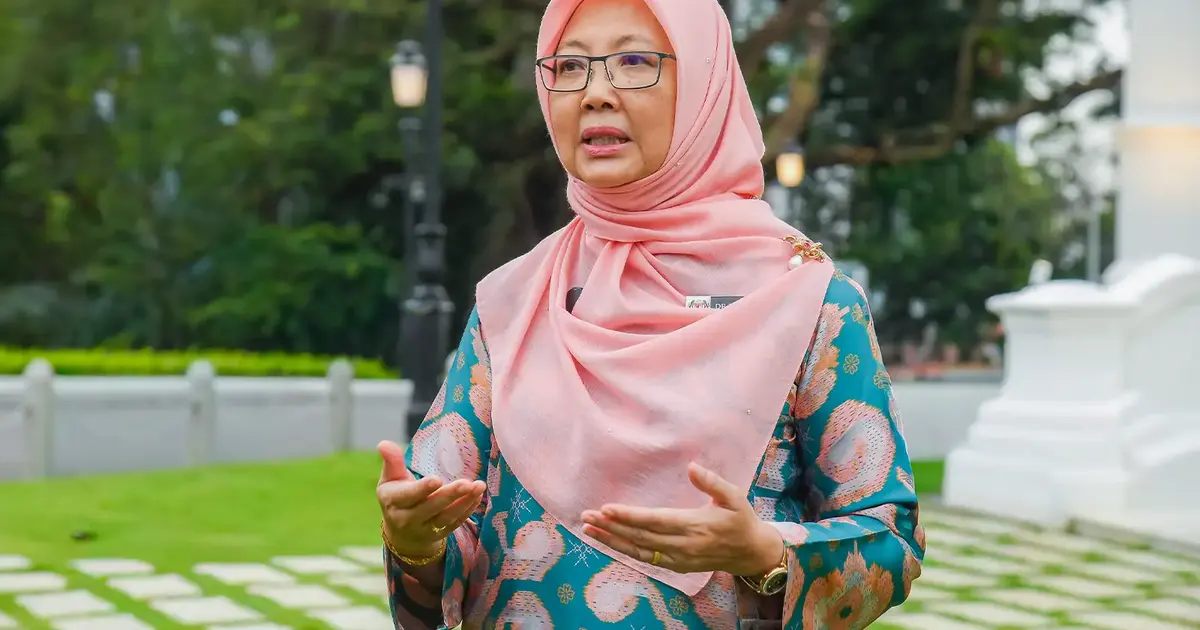
The Pakatan Harapan coalition faces an unusual dilemma in Johor as it confronts the Barisan Nasional's demand to publicly name a preferred menteri besar candidate ahead of state elections, despite no assurances such a figure would actually be appointed. PKR vice-president Zaliha Harun has expressed her confusion at the request issued by Johor BN chairman Onn Hafiz Ghazi, highlighting a procedural and strategic tension that underscores the complex political environment in Malaysia's southern state.
The crux of the matter centres on a fundamental question of political accountability and campaign strategy. Onn Hafiz has essentially asked Pakatan Harapan to publicly commit to a specific individual as their chief ministerial aspirant before the state election, a move that would put the opposition alliance on record and potentially vulnerable to criticism if circumstances change. For a coalition still negotiating its internal power-sharing arrangements and seeking to maintain unity heading into the election, such public declarations carry significant risk. Zaliha's confusion appears rooted in the logical inconsistency of being asked to identify a figurehead when the constitutional reality—that the menteri besar position belongs to the state assembly's discretion following the election outcome—leaves room for different outcomes.
This demand from the Johor BN leadership reflects broader anxieties within the ruling coalition about the opposition's campaign narrative. By pressing Pakatan Harapan to name names, Onn Hafiz appears intent on forcing the opposition into a corner where it must either reveal potential divisions about who truly leads the coalition effort, or face accusations of lacking a coherent vision for the state. Yet the paradox remains that even if Pakatan Harapan wins a majority, the menteri besar would ultimately emerge through the assembly's selection process, potentially not matching the pre-election poster boy. This creates a structurally awkward situation where the campaign may pivot on a candidate who never materialises in office.
For Malaysian observers, this episode illustrates the persistent tension between electoral strategy and constitutional governance. In Westminster-influenced systems, the designation of a chief ministerial candidate before elections is increasingly common practice, helping voters understand who would lead government if the opposition wins. Malaysia has seen this in previous state elections, where alliances have fielded clear chief ministerial faces. However, Johor's context adds layers of complexity given the state's significant demographic and economic profile, the competitive strength of multiple parties within the Pakatan Harapan coalition, and historical precedent around power distribution among component parties.
The underlying mechanics of Johor politics compound this challenge. Pakatan Harapan comprises several parties—PKR, DAP, Amanah, and others—each with territorial influence and legitimate claims to leadership positions depending on electoral performance. PKR, as the largest component, may advocate for its own candidate, while DAP's significant presence in certain constituencies and Amanah's role in representing a particular demographic base create a multi-polar dynamic. Any public declaration of a single poster boy risks alienating partners or creating perceptions of imposed leadership before voters have spoken.
Zaliha's public bewilderment serves another function within the opposition camp's messaging. By openly questioning the logic of Onn Hafiz's request, PKR signals to its coalition partners and supporters that the opposition will not be pressured into hasty strategic decisions that might undermine internal cohesion. It also frames the BN's demand as unreasonable—an attempt to constrain the opposition coalition's flexibility. This defensive posture is typical when coalitions feel vulnerable internally yet seek to project confidence externally.
Regionally, Johor's political dynamics carry significance beyond its borders. As one of Malaysia's most developed states economically and demographically influential in the broader federation, the outcome of Johor elections often influences national political momentum. A Pakatan Harapan victory would reshape Malaysia's political map and potentially strengthen the coalition's hand in national politics, making this contest particularly consequential. The BN's insistence on defining the opposition's campaign parameters reflects the stakes involved and the ruling coalition's determination to set terms it believes favour its narrative.
The question of transparency versus strategic flexibility remains unresolved. Democratic practice generally favours voters knowing who would lead them; yet in Malaysia's constitutional framework, where the menteri besar emerges through assembly procedures rather than direct election, the relationship between campaign messaging and governance reality becomes murky. Zaliha's confusion thus represents not merely personal bewilderment but perhaps a principled position that Pakatan Harapan should campaign on its collective platform and vision rather than a single personality whose actual appointment remains contingent on post-election developments.
Moving forward, how Pakatan Harapan responds to this demand will clarify its strategic priorities. The coalition may choose to publicly designate a candidate, gambling that this person can survive to actual appointment; it may refuse and lean on its collective platform; or it may find a middle path, suggesting likely candidates without formal designation. Each approach carries implications for campaign momentum, internal coalition dynamics, and voter perception. Zaliha's public questioning suggests that at least within PKR, there is reluctance to be forced into Onn Hafiz's preferred framework, indicating the opposition is unlikely to yield to this pressure easily.


%22%2F%3E%3C%2Fpattern%3E%3C%2Fdefs%3E%3Crect%20width%3D%22100%25%22%20height%3D%22100%25%22%20fill%3D%22url(%23phpazog)%22%2F%3E%3Crect%20width%3D%22100%25%22%20height%3D%22100%25%22%20fill%3D%22url(%23phpazop)%22%2F%3E%3Ctext%20x%3D%2250%25%22%20y%3D%2250%25%22%20text-anchor%3D%22middle%22%20dominant-baseline%3D%22central%22%20fill%3D%22rgba(255%2C255%2C255%2C0.95)%22%20font-family%3D%22Georgia%2C%20'Times%20New%20Roman'%2C%20serif%22%20font-weight%3D%22700%22%20font-size%3D%22320%22%20letter-spacing%3D%22-0.02em%22%3E32%3C%2Ftext%3E%3C%2Fsvg%3E)