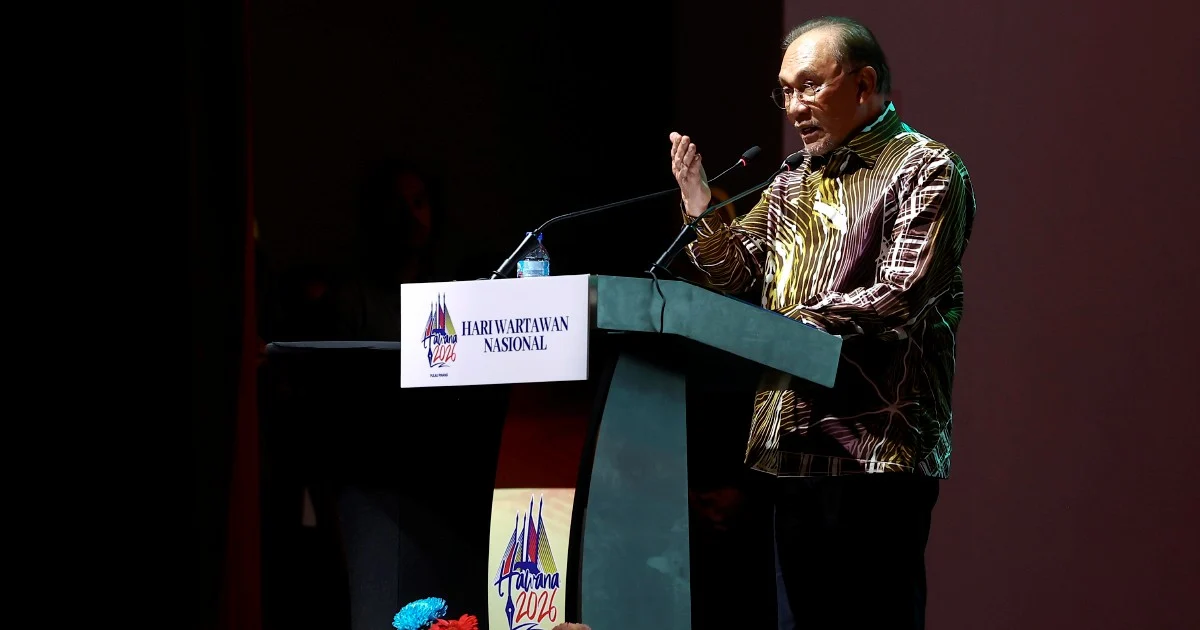
Pakatan Harapan chairman Datuk Seri Anwar Ibrahim is preparing to unveil the coalition's full roster of candidates for the Johor state election, with the announcement scheduled for Bukit Gambir tomorrow. This formal disclosure represents a pivotal moment in the electoral buildup for Malaysia's second-largest state by population, as the opposition alliance positions itself for a significant challenge against the ruling Barisan Nasional, which has maintained dominant control over Johor politics for decades.
The timing of the candidate announcement carries strategic significance within Malaysia's broader political landscape. Johor has historically served as Barisan Nasional's electoral fortress, delivering consistently strong majorities that anchor the coalition's parliamentary support. However, the state has also become increasingly contested terrain in recent elections, with Pakatan Harapan making inroads particularly in urban constituencies and among younger voters dissatisfied with the status quo.
Anwar Ibrahim's personal involvement in the candidate rollout underscores the importance Pakatan Harapan attaches to the Johor contest. As Prime Minister and coalition chairman, his presence at the Bukit Gambir venue signals that this is not a routine procedural exercise but rather a defining moment for the opposition alliance's credibility and organisational capacity. The choice of Bukit Gambir as the announcement location is itself noteworthy, as this southern Johor parliamentary constituency has become a barometer of electoral sentiment in the region.
The candidate selection process behind the scenes likely involved intensive negotiations among Pakatan Harapan's component parties—Parti Keadilan Rakyat (PKR), Amanah, and the Democratic Action Party—each seeking representation and influence within the coalition's slate. These internal discussions frequently prove contentious, as parties balance considerations of electoral viability, geographical representation, factional interests, and efforts to attract independent candidates with community standing.
For Malaysian observers and political analysts, the composition of Pakatan Harapan's candidate line-up will reveal critical information about the coalition's strategic priorities. The balance between fresh faces and incumbent politicians, the gender representation among nominees, and the experience profiles of selected candidates all communicate implicit messages about where Pakatan Harapan believes its strongest opportunities lie and which constituencies it views as genuinely competitive versus merely aspirational.
The announcement comes amid broader deliberations within Malaysian politics about the timing and mechanics of the Johor election itself. State elections in Malaysia typically occur within fixed constitutional windows but remain discretionary in their exact scheduling, giving the ruling party considerable latitude in selecting advantageous moments. Johor's last state election occurred in 2018, making a new poll due by mid-2023 under normal constitutional timelines, though circumstances have shifted considerably in Malaysian politics since then.
From a Southeast Asian perspective, Malaysia's Johor state election carries implications beyond the peninsula's borders. The state's economic weight as a major manufacturing hub and trading centre, coupled with its geographical proximity to Singapore and strategic position along key regional trade routes, means that political stability and governance quality in Johor influence broader regional confidence. Foreign investors and regional observers monitor Johor's electoral trajectory as an indicator of Malaysia's democratic health and political predictability.
Packatan Harapan's performance in Johor will also provide important data about the viability of the opposition alliance's national political revival. Since 2022, when Datuk Seri Anwar Ibrahim assumed the prime ministership following the collapse of previous governing arrangements, Pakatan Harapan has sought to consolidate its political base and demonstrate competent administration. Success in Johor would validate these efforts and provide electoral momentum for future contests, whilst a poor performance could raise questions about the coalition's durability and electoral appeal among Malaysian voters who remain cautious about opposition governance.
The economic and social dimensions of the forthcoming Johor election campaign will likely centre on bread-and-butter issues affecting ordinary residents: employment opportunities, cost of living pressures, educational quality, healthcare provision, and infrastructure development. Both Pakatan Harapan and Barisan Nasional will craft their candidate selections with these concerns in mind, seeking nominees with credible track records on such matters or compelling personal narratives that resonate with voter anxieties.
Anwar Ibrahim's announcement tomorrow also represents a moment when the electoral calendar becomes more concrete and tangible for Johor residents and political activists. Speculation gives way to observable reality as voters begin assessing the specific individuals and parties asking for their support. The quality of candidates fielded, the coherence of campaign messaging, and the organisational mobilisation that follows will collectively determine whether Pakatan Harapan can genuinely challenge Barisan Nasional's historical dominance in this strategically vital state.
Looking forward, the Johor election campaign will likely become increasingly intense as the official polling date approaches. Both major coalitions will deploy considerable resources and political energy to contest this state where regional power balances remain contested and voter preferences less predictable than in previous decades.

%22%2F%3E%3C%2Fpattern%3E%3C%2Fdefs%3E%3Crect%20width%3D%22100%25%22%20height%3D%22100%25%22%20fill%3D%22url(%23phpazog)%22%2F%3E%3Crect%20width%3D%22100%25%22%20height%3D%22100%25%22%20fill%3D%22url(%23phpazop)%22%2F%3E%3Ctext%20x%3D%2250%25%22%20y%3D%2250%25%22%20text-anchor%3D%22middle%22%20dominant-baseline%3D%22central%22%20fill%3D%22rgba(255%2C255%2C255%2C0.95)%22%20font-family%3D%22Georgia%2C%20'Times%20New%20Roman'%2C%20serif%22%20font-weight%3D%22700%22%20font-size%3D%22320%22%20letter-spacing%3D%22-0.02em%22%3E32%3C%2Ftext%3E%3C%2Fsvg%3E)