Police authorities in Penang have announced a multi-layered security and traffic management plan for the HAWANA 2026 National Journalists' Day celebration scheduled to take place at PICCA Convention Centre @ Butterworth Arena, pledging to maintain essential road access while accommodating what is expected to be a major three-day gathering. Penang police chief Datuk Azizee Ismail provided assurances that the operational framework will mirror the success of previous large-scale events held at the same venue, drawing on lessons learned from the Malaysia Day 2025 celebration to ensure both visitor safety and uninterrupted movement for ordinary commuters navigating the area.
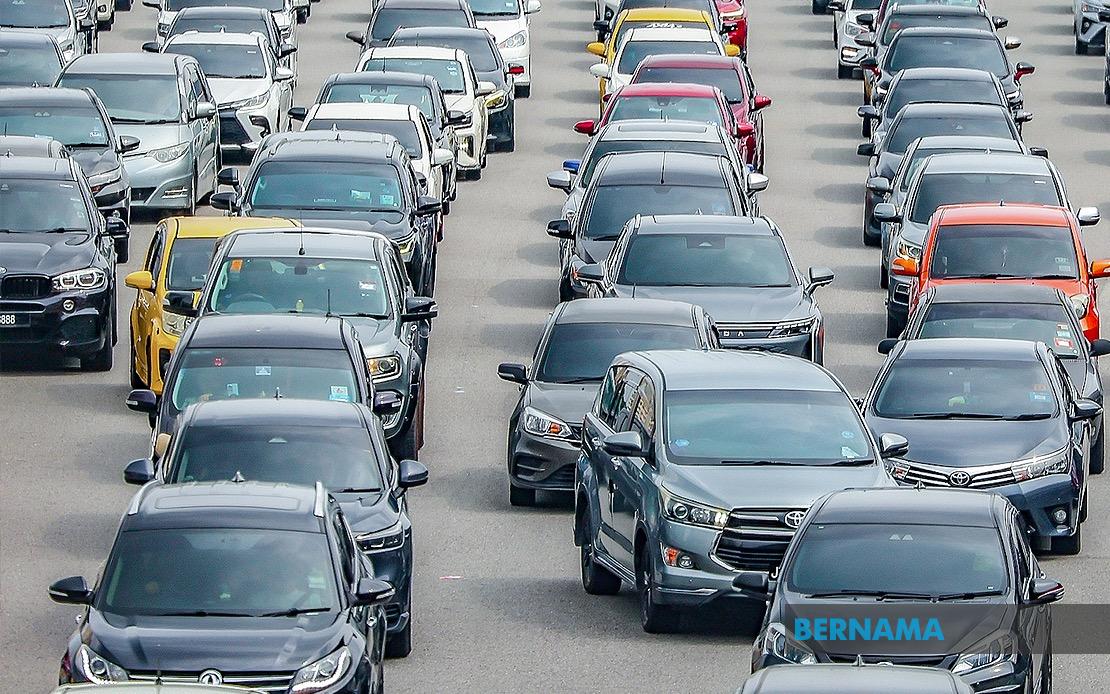
The decision to keep primary arterial roads operational throughout the event reflects a deliberate balance between facilitating the expected influx of participants and preserving normal traffic patterns for the broader public. Rather than implementing wholesale road closures that could paralyse surrounding neighbourhoods, traffic police will institute targeted diversions and deploy officers at strategic intersections to manage vehicle flow methodically. This approach recognises that such events, while significant, must not unduly burden local residents who depend on these routes for employment, commerce, and daily activities. The Penang police leadership has indicated that the quantum of security and traffic personnel assigned to the operation will be equivalent to deployments used during the previous Malaysia Day event, suggesting confidence in established protocols.
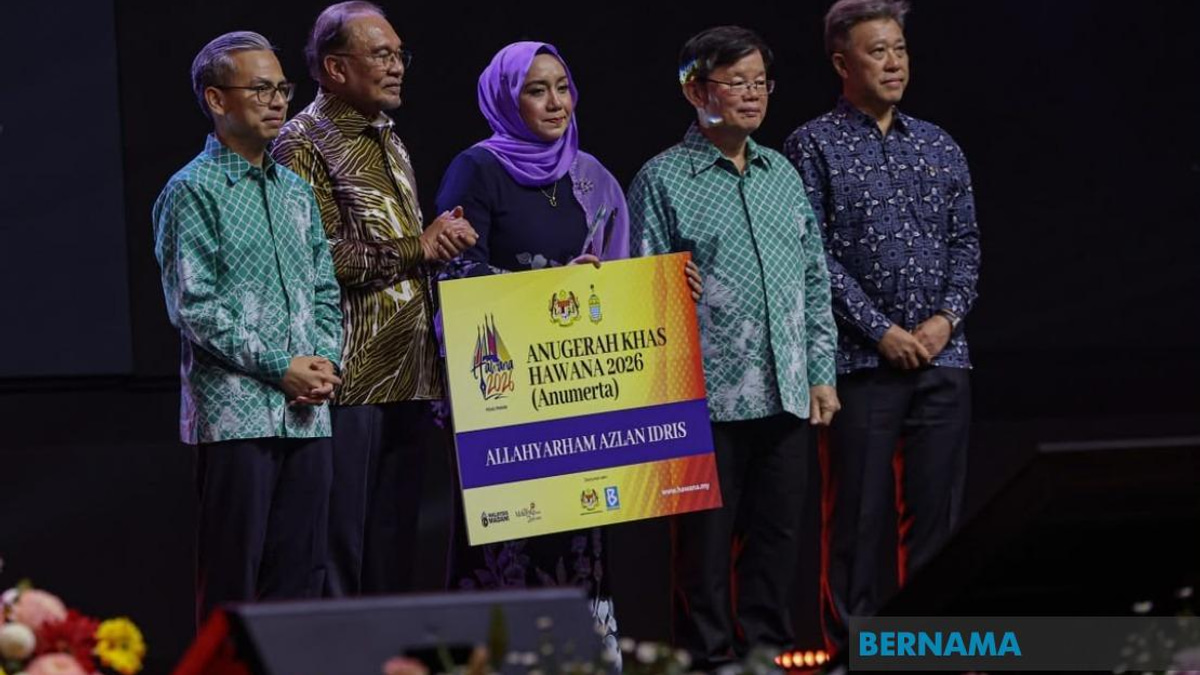
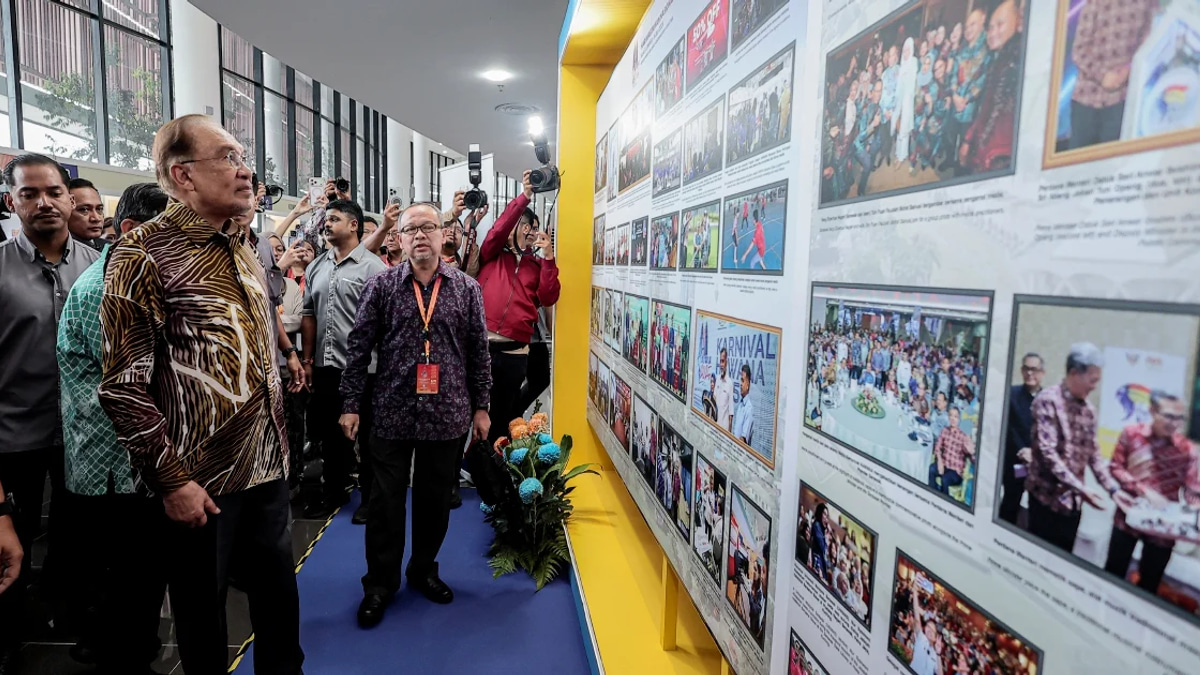
The HAWANA 2026 Summit itself represents a substantial gathering of media professionals, with organisers anticipating the attendance of approximately one thousand journalists, editors, and media practitioners from Malaysia and international destinations. Prime Minister Datuk Seri Anwar Ibrahim will officiate the summit on June 20, lending significant political prominence to an event that the Ministry of Communications, in partnership with Bernama (the Malaysian National News Agency), has curated around the theme "Media Integrity Strengthens Credibility." This thematic focus underscores the government's commitment to reinforcing professional standards within journalism at a time when media landscape challenges—ranging from digital misinformation to platform fragmentation—demand renewed institutional rigour.
Beyond the formal summit proceedings, the three-day programme encompasses the Riuh Pi HAWANA Carnival, a broader public-facing component designed to celebrate media and creative culture. Organisers expect this carnival element to draw approximately thirty thousand visitors, transforming PICCA into a venue combining industry recognition with community engagement. The carnival will feature more than twenty-four local creative product brands alongside twenty food and beverage vendors, creating a marketplace atmosphere that extends the event's reach beyond media professionals into general consumer and cultural spaces. Sixteen stage performances by Malaysian artists including Exists, Bunkfac, Masdo, Sakura Band, Budak Nakal Hujung Simpang, and Chelsea Ng will provide entertainment at no charge, democratising access to performances that might otherwise require separate ticketing.
The dual nature of HAWANA 2026—functioning simultaneously as a professional summit and a public carnival—explains the scale of logistical planning required. Police preparations must account for peaks in visitor numbers, potential bottlenecks around performance areas and vendor zones, and the coordination of security screening protocols that do not impede the carnival's intended accessibility. The Penang police commitment to transparency in these arrangements reflects institutional awareness that large events inevitably generate community concern about disruption, and proactive communication about traffic management strategies can mitigate anxiety and encourage public cooperation with temporary measures.
For Malaysian readers and Southeast Asian media observers, HAWANA 2026 carries broader significance as a regional statement about journalistic professionalism at a moment when media institutions across Asia face intensifying pressures from polarisation, regulatory scrutiny, and economic disruption. The summit's focus on media integrity speaks to shared challenges across the region: how news organisations maintain credibility when public trust in institutions has fractured, how they sustain financial viability amid digital transformation, and how they navigate the complex terrain between political accountability and press freedom. Malaysia's deliberate investment in a high-profile gathering around these themes signals official recognition that media health constitutes a public good requiring institutional cultivation.
The specific location at PICCA Convention Centre @ Butterworth Arena in Penang carries its own significance. Penang, with its status as a major commercial and tourism hub on Malaysia's west coast, provides a venue with both capacity and accessibility for large regional gatherings. The district's position as a crossroads between Kuala Lumpur and northern Malaysia makes it a natural site for events seeking to draw national participation. The reuse of infrastructure and security protocols from the Malaysia Day 2025 celebration demonstrates prudent resource management and the value of institutional memory in event administration—lessons that extend beyond this particular gathering to how government entities approach repeated large-scale operations.
Traffic management strategy represents perhaps the most immediate concern for residents and commuters in the Butterworth area during the three-day period. By maintaining main road access while implementing diversions on secondary routes, authorities are attempting to preserve the area's economic functionality. Businesses depending on vehicular traffic, delivery services requiring predictable access, and residents commuting to work in surrounding districts will face some inconvenience, but not the comprehensive disruption that wholesale closures would entail. The police emphasis on advance journey planning and public cooperation with traffic officers suggests an expectation that community participation in the management process will be essential to success.
The security architecture for the event, benchmarked against the Malaysia Day 2025 precedent, likely encompasses multiple components: perimeter screening at venue entry points, plainclothes officers mingling within crowds to identify potential security threats, coordination with federal security agencies given the Prime Minister's attendance, and contingency protocols for medical emergencies or crowd management challenges. The decision to deploy a security footprint comparable to the previous Malaysia Day event suggests that authorities have determined the anticipated visitor volume and composition do not warrant a significantly heightened security posture, though they will certainly remain vigilant given current regional and global security environments.
Public compliance with traffic directives and security procedures will substantially determine whether the police plan succeeds in delivering both a successful event and minimal disruption to regular traffic patterns. The Penang police chief's appeal for residents to plan journeys in advance and cooperate with traffic personnel represents an explicit call for civic participation in facilitating the operation. This rhetorical framing—positioning road users as stakeholders in the event's success rather than victims of its inconvenience—reflects modern approaches to public communications around disruption-causing events. The media landscape that HAWANA 2026 celebrates will simultaneously be documenting police operations and public response, adding a performative dimension to how effectively authorities manage the occasion.
Ultimately, HAWANA 2026 exemplifies the complex coordination required when events pursue dual objectives: professional/institutional purposes alongside public engagement. The Penang police preparations, as articulated by Datuk Azizee Ismail, demonstrate that responsible event management requires balancing celebration with consideration for broader community interests. Whether the execution will match the careful planning remains to be seen when the three-day programme commences, but the transparency around security and traffic strategy, and the demonstrated commitment to maintaining normal road access, suggest that authorities have approached the challenge with appropriate seriousness.