%22%2F%3E%3C%2Fpattern%3E%3C%2Fdefs%3E%3Crect%20width%3D%22100%25%22%20height%3D%22100%25%22%20fill%3D%22url(%23ph55r8kg)%22%2F%3E%3Crect%20width%3D%22100%25%22%20height%3D%22100%25%22%20fill%3D%22url(%23ph55r8kp)%22%2F%3E%3Ctext%20x%3D%2250%25%22%20y%3D%2250%25%22%20text-anchor%3D%22middle%22%20dominant-baseline%3D%22central%22%20fill%3D%22rgba(255%2C255%2C255%2C0.95)%22%20font-family%3D%22Georgia%2C%20'Times%20New%20Roman'%2C%20serif%22%20font-weight%3D%22700%22%20font-size%3D%22226%22%20letter-spacing%3D%22-0.02em%22%3EPenang%3C%2Ftext%3E%3C%2Fsvg%3E)
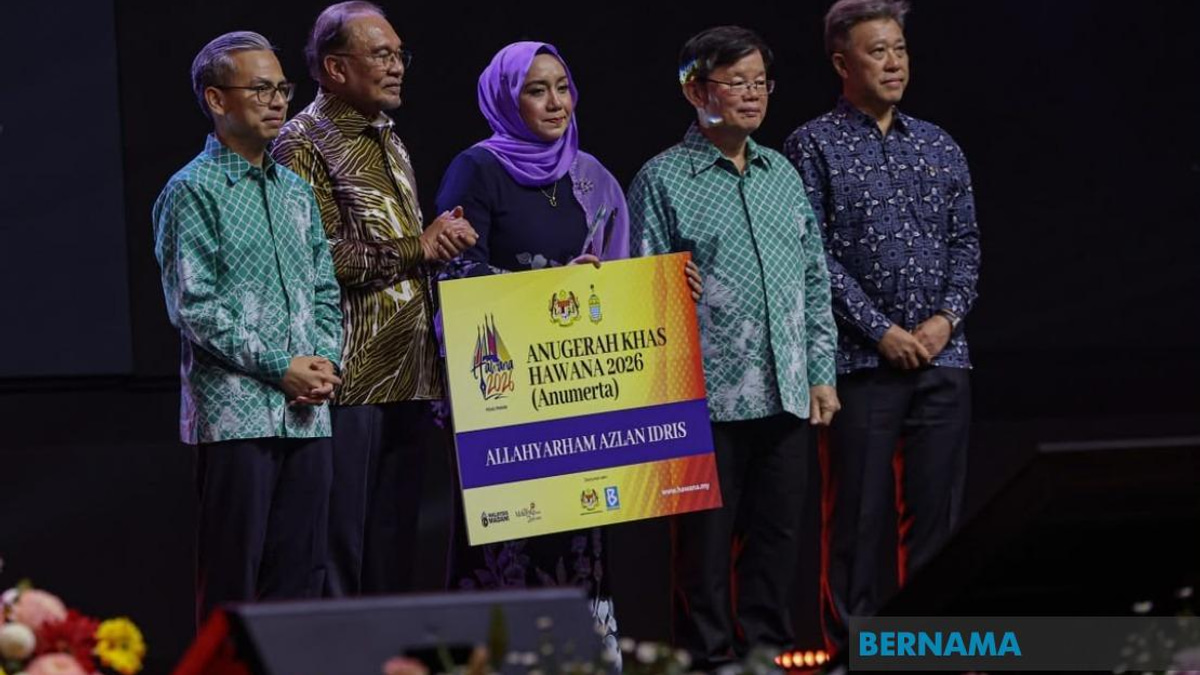
Penang is preparing to host one of Malaysia's premier media industry events this weekend, with state leadership signalling strong commitment to making the National Journalists' Day (HAWANA) 2026 celebration a defining occasion for the profession. Chief Minister Chow Kon Yeow outlined the state government's readiness during briefings in George Town on June 18, emphasizing months of coordinated planning between state authorities and the federal Communications Ministry to ensure the event unfolds without disruption.
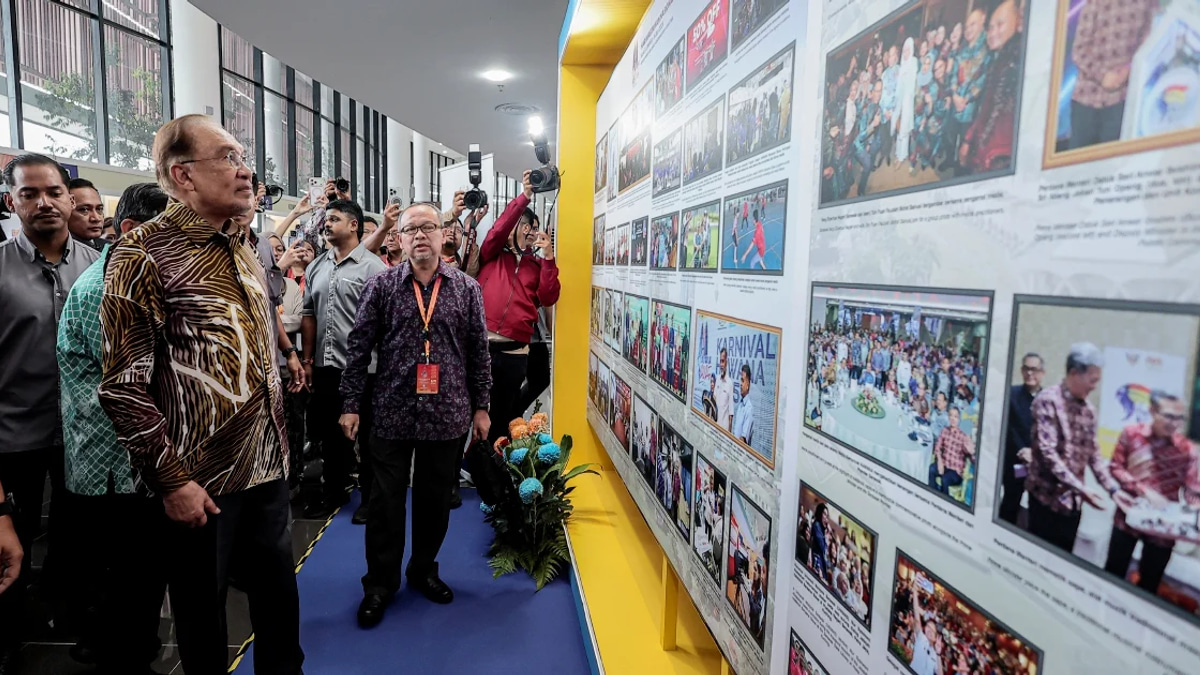
The HAWANA 2026 Summit represents a significant gathering for Malaysian journalism, scheduled to take place at PICCA Convention Centre @ Butterworth Arena and expected to draw approximately 1,000 media practitioners representing news organisations, broadcasters, and digital outlets from across Malaysia and international delegations. Prime Minister Datuk Seri Anwar Ibrahim will officially open the summit on June 20, underscoring the national importance attached to recognising the journalism sector's role in democratic society. The timing places the event in the broader context of government efforts to strengthen relationships between policymakers and media professionals at a time when trust in institutions remains a critical concern across Southeast Asia.
Chow emphasised that the state government has actively contributed resources and logistical support to facilitate the event's success, viewing it as an opportunity to demonstrate Penang's capacity as a host of major professional gatherings. The engagement sessions held over the preceding two to three months reveal the level of coordination required to orchestrate such a substantial assembly, touching on everything from security arrangements to accommodation and transportation logistics for visiting journalists. This preparatory depth suggests recognition that the event carries symbolic weight beyond the immediate gathering, representing an investment in strengthening professional networks within the media community.
The thematic framework of "Media Integrity Strengthens Credibility" provides intellectual scaffolding for discussions among attendees, addressing persistent concerns about journalistic standards and public confidence in news reporting. This focus aligns with broader regional conversations about media responsibility, particularly relevant in Southeast Asia where questions about misinformation, editorial independence, and the relationship between news organisations and political entities remain contentious. Malaysian journalists will have opportunity to engage with international counterparts on these shared challenges, potentially facilitating exchange of best practices and collaborative problem-solving approaches.
Beyond the professional summit itself, Penang has organised the RIUH Pi HAWANA Carnival, a three-day cultural and creative event running concurrently at the same venue beginning June 19. Organisers project approximately 30,000 visitors will attend this carnival component, substantially broadening the reach of HAWANA beyond the professional journalism community to encompass general public engagement with media and creative industries. This dual-track approach recognises that appreciation for journalism's contribution to society benefits from both professional reflection and public awareness-building.
The carnival features more than two dozen local creative product brands alongside twenty food and beverage establishments, creating a marketplace atmosphere that encourages extended visits and sustained engagement. Rather than confining the celebration to formal proceedings, the carnival structure acknowledges that contemporary audiences often prefer interactive, experiential formats for learning and cultural participation. This hybrid model reflects evolving approaches to professional recognition events across Southeast Asia, where organisers increasingly blend formal conferences with public-facing cultural programming.
Interactive workshops form a central component of the carnival programming, explicitly designed to give attendees hands-on exposure to creative practices spanning various disciplines. These sessions invite public participation in media and creative activities, democratising access to professional knowledge traditionally confined to industry practitioners. Such educational components serve multiple purposes simultaneously: they provide public value, demystify media production processes, and create touchpoints where ordinary citizens can develop deeper understanding of journalism's practical requirements and ethical frameworks.
Musical entertainment anchors the carnival's cultural calendar, with sixteen free stage performances showcasing established and emerging Malaysian artists including Exists, Bunkface, Masdo, Sakura Band, Budak Nakal Hujung Simpang, and Chelsea Ng. This programming choices reflect deliberate effort to attract diverse demographic participation, particularly younger audiences who might not otherwise attend journalism-focused events. By embedding professional recognition within vibrant cultural programming, organisers create environment where media appreciation becomes intertwined with entertainment and creative expression, potentially fostering longer-lasting impression on public consciousness.
The Ministry of Communications, coordinating through the Malaysian National News Agency (Bernama), has positioned HAWANA 2026 as national rather than merely state-level initiative, with the event serving to honour the contributions, dedication, and professional standards demonstrated by Malaysian journalists. This ministerial-level involvement underscores official recognition that journalism merits structured, regular celebration within the national calendar, similar to professional recognition days maintained for other sectors. For Malaysian media practitioners, the event provides formal acknowledgement from government and society that their work—often conducted under challenging circumstances with limited resources—receives institutional recognition.
Penang's selection as host carries particular significance given the state's historical role as a major media centre and current positioning as a regional hub for creative industries and digital economy development. The convergence of journalistic celebration with broader creative industry showcasing reinforces emerging connections between traditional journalism and digital content creation, reflecting the professional landscape's evolution across Southeast Asia. Media outlets increasingly operate across multiple platforms and formats, and the carnival structure acknowledges this contemporary reality by integrating journalism appreciation with wider creative expression.
The scale of expected participation—combining 1,000 media professionals with 30,000 carnival visitors—positions HAWANA 2026 as significant economic event for Penang beyond its professional and cultural dimensions. Hotel occupancy, transportation usage, and hospitality sector revenues will reflect the influx of participants and visitors, contributing modest economic stimulus to the state during the event period. For local vendors and creative enterprises featured in the carnival, the platform provides marketing exposure and direct sales opportunities that extend the event's commercial impact beyond symbolic recognition.
Chow's confidence in successful execution reflects not merely optimistic leadership tone but substantive preparation documented through months of interdepartmental coordination and resource allocation. The state government's explicit contribution to the programme indicates financial commitment alongside logistical support, demonstrating that Penang views HAWANA hosting as priority worthy of state-level investment. This positioning establishes precedent for future hosting of major professional gatherings, signalling to national organisers that Penang possesses both willingness and capacity for such events.
For Malaysian journalism as profession, HAWANA 2026 represents moment of collective reflection and mutual recognition occurring at particular juncture when media sector navigates significant transitions. Digital transformation continues reshaping news production and distribution, economic pressures affect media sustainability, and evolving audience expectations challenge traditional editorial models. The celebration occasion creates space for practitioners to address these contemporary realities collectively, drawing strength from assembled professional community and public recognition of journalism's enduring importance to democratic discourse and informed citizenry.