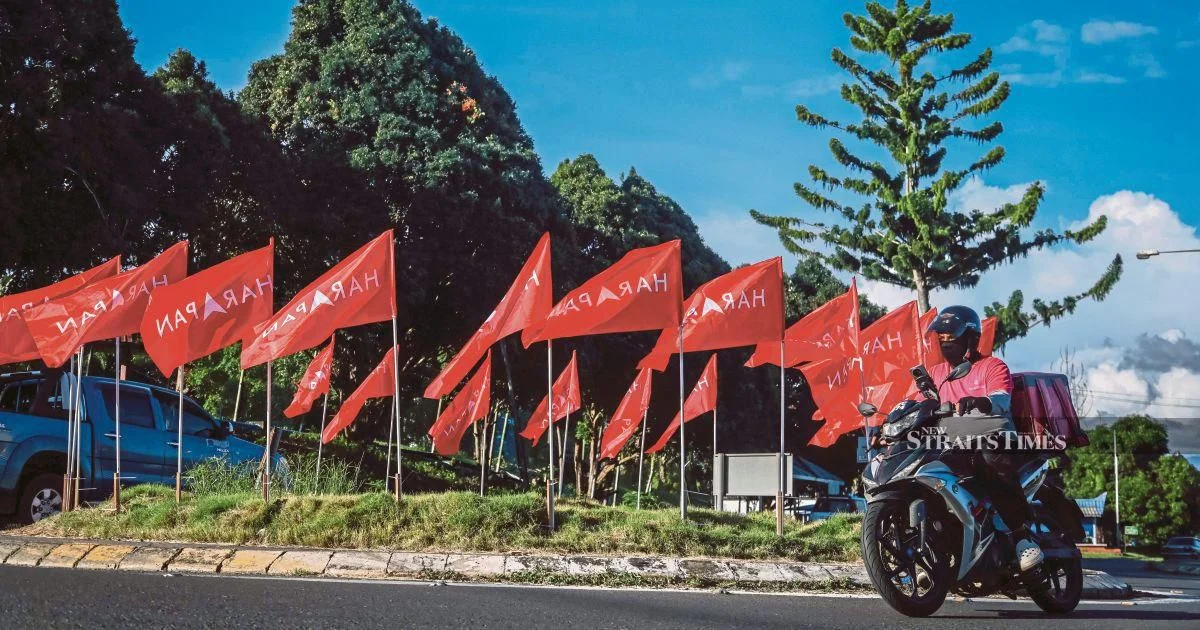
Pakatan Harapan has made clear it will not succumb to external pressure in determining when to unveil its menteri besar candidate for the 16th Johor election, signalling confidence in its position regardless of what opposing coalitions may demand. The statement reflects a deliberate strategic posture by the coalition as it prepares for a crucial state contest that will test its strength in one of Malaysia's most politically significant regions.
The timing of candidate announcements carries substantial weight in Malaysian electoral contests. Opposition groups have frequently sought to force the ruling coalition's hand by making public declarations and challenge calls, attempting to create the impression that premature naming of a chief minister aspirant is necessary to establish credibility. Pakatan Harapan's resistance to this tactic suggests the coalition believes it can maintain voter confidence without yielding to manufactured urgency.
Johor holds particular importance in Malaysian politics given its size, economic contribution, and historical significance as a political bellwether. The state has traditionally been a testing ground for national coalition performance, and results here often foreshadow broader electoral trends. For Pakatan Harapan, securing or consolidating control in Johor strengthens its hand at the federal level and provides evidence of sustained public support beyond its traditional strongholds.
The coalition's decision to control the pace of candidate announcement also reflects lessons from previous electoral cycles. Premature naming of candidates can expose them to extended scrutiny and attacks from opponents who have months to chip away at their popularity and credibility. By maintaining discretion, Pakatan Harapan preserves flexibility to assess which contender performs best in grassroots engagement and internal coalition dynamics before making a definitive choice.
Election announcements in Johor will likely trigger intense scrutiny of the coalition's machinery and cohesion. The state encompasses substantial Malay-Muslim populations, Chinese communities, and Indian constituencies, requiring candidates who can genuinely appeal across demographic lines. The coalition's component parties—particularly PKR, DAP, and Amanah—must align on a choice that satisfies their respective bases while maximising appeal to swing voters who often determine outcomes in closely contested states.
Rivals' efforts to pressure Pakatan Harapan into early candidate revelation may also reflect concern that the coalition has already identified a strong contender and is strategically withholding announcement for maximum impact. By forcing the coalition to commit publicly weeks or months in advance, opposition groups hope to diminish the motivational effect of an announcement closer to polling day. Pakatan Harapan's refusal suggests confidence in its preferred candidate's electoral viability.
The 16th Johor election arrives at a juncture when Malaysian voters are assessing coalitions' performance in both state and federal governance. Since the 15th general election, Pakatan Harapan has operated amid complex political configurations requiring negotiation and compromise across diverse political actors. A strong showing in Johor would validate the coalition's argument that Malaysians continue to trust its stewardship despite ongoing governance challenges.
For Malaysian observers, the coalition's stance also underscores how electoral announcement timing functions as part of campaign strategy rather than mere administrative necessity. Political science research consistently demonstrates that candidate reveal timing influences media narrative construction, voter perception development, and opponent resource allocation. By controlling this timeline independently, Pakatan Harapan signals it will dictate the terms of electoral competition rather than react to rivals' provocations.
The upcoming Johor contest will simultaneously test the staying power of the broader coalition arrangement. Pakatan Harapan's three main components have pursued somewhat divergent strategies in different states, and maintaining unified positioning in a major election represents a significant organisational challenge. The menteri besar selection process itself becomes a crucial test of the coalition's ability to balance component-party interests while prioritising overall electoral prospects.
Opposition coalitions' pressure tactics may ultimately prove counterproductive if they appear too transparent. Malaysian voters often view manufactured urgency with scepticism, and opposition groups' public campaigns to rush candidate announcements risk appearing desperate rather than commanding. Pakatan Harapan's composed response therefore carries its own messaging value, projecting the stability and self-assurance voters associate with capable governing coalitions.
As the electoral calendar advances toward the Johor election, attention will increasingly focus on which potential menteri besar candidates emerge in media coverage and grassroots engagement. The coalition's patient approach allows these figures to build support organically rather than through artificial announcement spectacle. This strategy may ultimately prove more durable in converting grassroots momentum into actual votes on polling day.