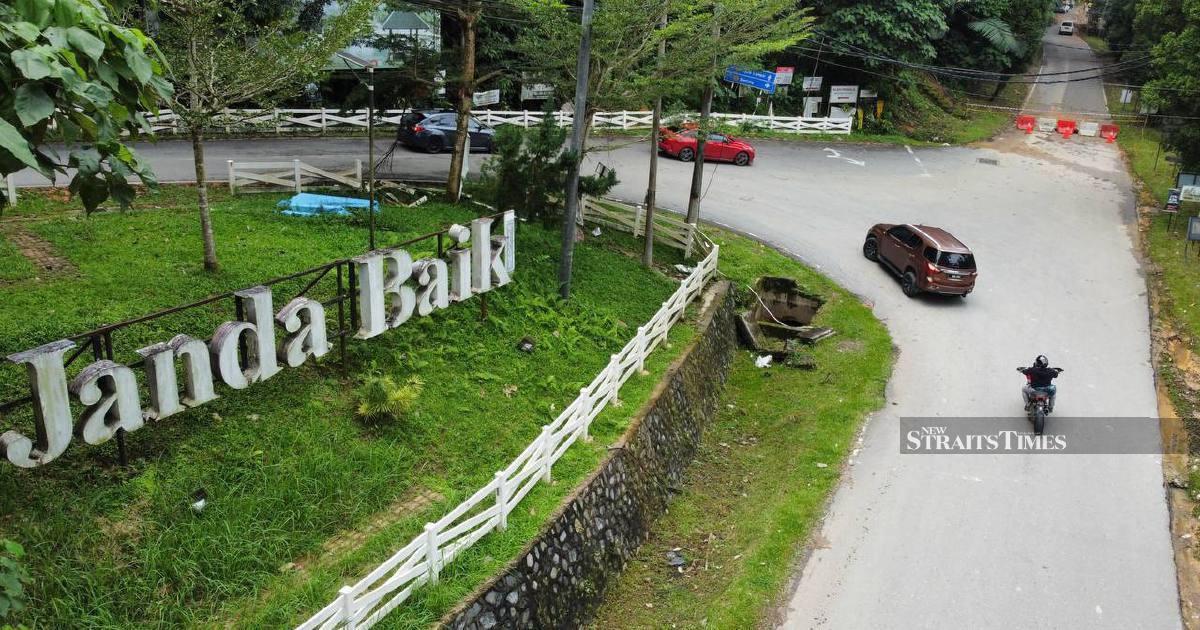
The Pahang Health Department has initiated a formal investigation into reports that numerous visitors contracted illness after engaging in water activities at a recreational site in the Janda Baik area near Bentong. The department's response underscores growing scrutiny of water safety at popular tourist destinations across Malaysia, where thousands of domestic visitors flock during weekends and public holidays to escape urban congestion.
Janda Baik, situated in the foothills of Pahang and accessible from the Klang Valley, has become an increasingly favoured destination for day-trippers and families seeking natural outdoor recreation. The forested locality, dotted with riverside attractions and accommodation facilities, draws visitors year-round, though usage intensifies during festive periods and school holidays. The alleged health incident raises questions about water quality monitoring at such recreational hotspots and whether existing protocols adequately protect public health.
The specific nature of the illnesses reported by visitors remains under investigation, though initial allegations centre on food poisoning, suggesting contamination may have stemmed from consumption of food at the site rather than direct water exposure. This distinction carries significance for how authorities should respond—whether through enhanced food safety protocols at riverside vendors and eateries, improved water treatment infrastructure, or both. Visitors to such areas typically rely on facilities operated by local establishments, from informal food stalls to registered restaurants, and quality control across this spectrum remains variable.
Malaysia's health authorities have previously encountered similar waterborne and foodborne illness clusters at recreational destinations, particularly during peak seasons when demand for services exceeds the capacity of local infrastructure. The Pahang incident exemplifies a broader challenge facing rural and semi-rural tourism hotspots: balancing visitor accessibility with adequate sanitation, water treatment, and food safety measures. Many such locations lack municipal-grade water systems, relying instead on wells, local sources, or minimal treatment processes.
The investigation will likely examine multiple factors, including the quality and source of drinking water, food storage and preparation standards at eating establishments, sanitation facilities, and whether any specific pathogenic organisms can be isolated from affected individuals. Health authorities typically collect samples from suspected sources and conduct epidemiological interviews with affected parties to establish temporal and geographical links between exposure and illness onset. This evidence-gathering phase is crucial for determining whether the outbreak was localised to a specific vendor or reflected broader environmental contamination.
For visitors to Malaysia's numerous riverside and forest recreation areas, the Janda Baik situation carries practical implications. While such destinations offer valuable respite and natural experiences, travellers should remain cautious about water quality and food sourcing. Established operators with verified hygiene certifications present lower risk than informal vendors, though no venue operates entirely without contamination risk. Visitors are advised to carry water purification tablets, consume only bottled water when uncertain of source integrity, and patronise food establishments with visible health department certifications.
Local authorities in Bentong and surrounding areas now face pressure to fortify oversight mechanisms. Recreational site operators must demonstrate commitment to water safety testing, food handler training, and waste management. The incident may catalyse implementation of stricter licensing requirements for food vendors and mandatory water quality testing protocols, measures that would ultimately enhance consumer confidence and reduce repeat incidents.
From a regional perspective, the investigation outcomes could influence how other Malaysian states approach water safety at popular tourist destinations. Peninsular Malaysia hosts dozens of comparable riverside recreation areas—from Kuala Kubu Baru in Selangor to areas around Ipoh in Perak and throughout Terengganu—many of which attract large numbers of urban visitors. A systematic outbreak at one location often prompts regulatory reviews elsewhere, particularly if authorities identify common deficiencies in infrastructure or oversight that could exist at similar sites.
The Pahang Health Department's investigative findings will be crucial for stakeholders including the local municipal authority, business owners operating at the recreation site, and the broader tourism sector. If food safety lapses are confirmed, targeted education and enforcement may suffice; conversely, if environmental water contamination is identified, infrastructure upgrades could prove necessary and costly. Either outcome underscores the need for proactive health surveillance at high-footfall leisure venues.
As Malaysia continues promoting domestic tourism and encouraging Malaysians to explore natural attractions, incidents such as the Janda Baik health concerns serve as reminders that infrastructure and safety systems must evolve in tandem with visitor numbers. The investigation's conclusion should inform not merely remedial action at this single site but contribute to a national framework ensuring water and food safety across Malaysia's increasingly popular recreational destinations.