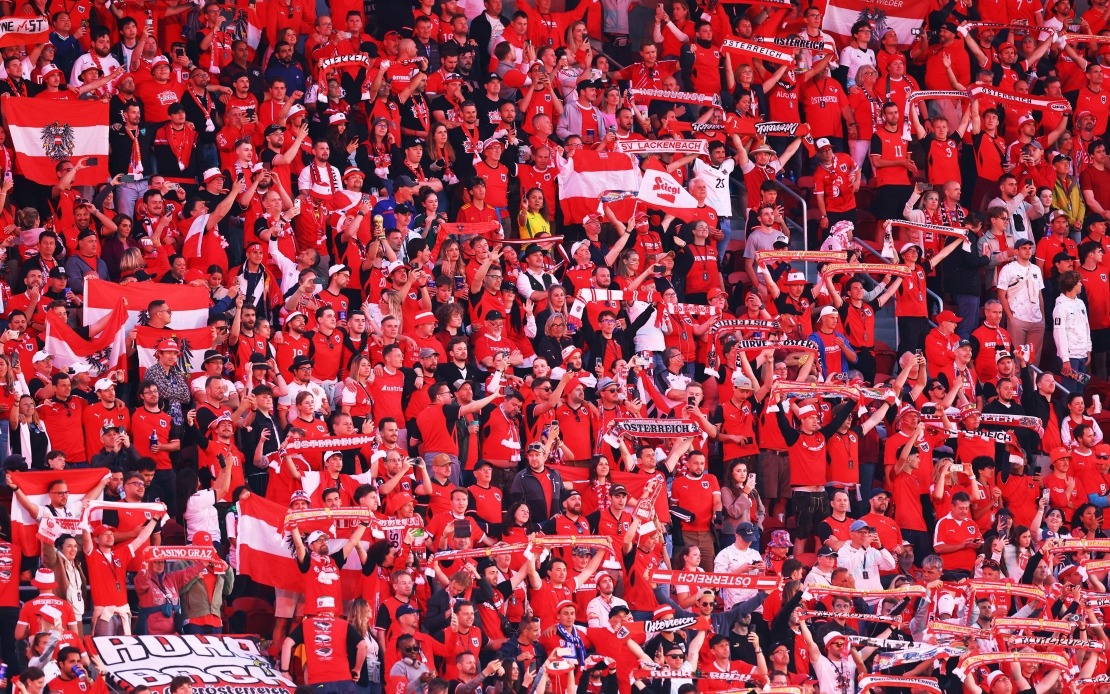
The opening fortnight of the FIFA World Cup in North America has drawn impressive crowds, with the governing body announcing that attendance across the first 16 fixtures exceeded 1.03 million supporters. The milestone represents a significant vote of confidence in the tournament's commercial viability, though the achievement comes against the backdrop of earlier concerns about inflated ticket pricing that threatened to dampen fan engagement from the outset.
FIFA's official statistics indicate that 1,028,429 spectators filled stadiums through Monday of the tournament's second week, translating to an average occupancy rate of 99.34 per cent across all venues. This figure contradicts some of the scepticism that dominated pre-tournament discussions, when analysts and supporters' organisations warned that steep prices would create visible gaps in the stands and undermine the atmosphere that typically characterises the world's biggest football competition.
Despite these reassuring overall numbers, visible evidence of sparse attendance did materialise during several high-profile matches. The contest between South Korea and the Czech Republic in Guadalajara last Thursday and Qatar's opening fixture against Switzerland in the Bay Area the following Saturday both showed patches of unoccupied seating, suggesting that certain fixtures struggled to attract audiences regardless of stadium capacity metrics. Such disparities raise questions about how FIFA calculates and reports attendance figures, and whether headline numbers mask underlying variations in fan distribution across the tournament.
FIFA president Gianni Infantino acknowledged the attendance milestone by sharing a photograph on Instagram with Aaron Bren, identified as the tournament's one millionth spectator. His accompanying statement praised supporters for bringing what he characterised as "the most inclusive FIFA World Cup" to fruition, emphasising the role of fan enthusiasm in validating the competition's North American staging.
However, the positive attendance narrative obscures mounting concerns about operational security and crowd management at World Cup venues. Football Supporters Europe, a continental advocates' organisation, has raised alarm about the absence of traditional supporter segregation protocols at matches. Ronan Evain, the group's executive director, told BBC Sport that the lack of separation between opposing fan bases represents a departure from standard practice at major tournaments and introduces genuine safety risks.
Evain's critique points to FIFA's aggressive ticket distribution strategy as the underlying cause of the segregation problem. By promoting secondary market sales and resales, the organisation has lost visibility over which supporters hold tickets to specific matches. This opacity means that fans loyal to one team could easily find themselves surrounded by supporters of the opposing nation, a scenario that tournament organisers typically work to prevent through dedicated allocation blocks and designated seating zones.
The structure of fan allocation at the tournament nominally preserves traditional segregation through the "participant member association" (PMA) system, under which each national federation receives a block of tickets reserved for its most committed followers. However, FIFA sources acknowledged that the secondary market has substantially diluted the effectiveness of this safeguard, as tickets purchased through official channels often end up in the hands of resellers who have no obligation to maintain venue security protocols.
For Malaysian and Southeast Asian football fans, the attendance story carries several implications. As a region with growing football engagement and increasing overseas travel for major tournaments, the World Cup's accessibility—both in terms of geographic proximity and ticket availability—directly influences how many regional supporters will attend matches. The pricing concerns raised during the run-up to this tournament are likely to resurface in future competitions, potentially affecting Malaysian fans' willingness to travel internationally for World Cup matches.
The security concerns flagged by Football Supporters Europe also warrant attention from regional perspectives. Southeast Asia has experienced occasional incidents of supporter confrontation at football matches, and the precedent set by reduced segregation at this World Cup could influence how future tournaments approach fan management. Malaysian clubs and international match organisers monitor FIFA's operational standards closely when planning their own crowd management strategies.
The tension between commercial imperatives and traditional tournament management structures evident at the World Cup reflects broader challenges facing FIFA as it navigates competing demands for profitability and fan safety. Large attendance figures generate positive headlines and attract sponsorship interest, yet they can coexist with operational vulnerabilities that undermine the tournament experience for supporters who prioritise security and atmosphere.
As the tournament progresses through its group stages toward knockout competition, FIFA faces an ongoing balancing act. The organisation must maintain the positive messaging around record attendance whilst addressing legitimate security concerns that could escalate if supporter incidents occur at upcoming fixtures. The coming weeks will demonstrate whether current crowd management approaches prove adequate for a tournament of this scale and geographic spread.

%22%2F%3E%3C%2Fpattern%3E%3C%2Fdefs%3E%3Crect%20width%3D%22100%25%22%20height%3D%22100%25%22%20fill%3D%22url(%23ph523ndg)%22%2F%3E%3Crect%20width%3D%22100%25%22%20height%3D%22100%25%22%20fill%3D%22url(%23ph523ndp)%22%2F%3E%3Ctext%20x%3D%2250%25%22%20y%3D%2250%25%22%20text-anchor%3D%22middle%22%20dominant-baseline%3D%22central%22%20fill%3D%22rgba(255%2C255%2C255%2C0.95)%22%20font-family%3D%22Georgia%2C%20'Times%20New%20Roman'%2C%20serif%22%20font-weight%3D%22700%22%20font-size%3D%22272%22%20letter-spacing%3D%22-0.02em%22%3EAnwar%3C%2Ftext%3E%3C%2Fsvg%3E)